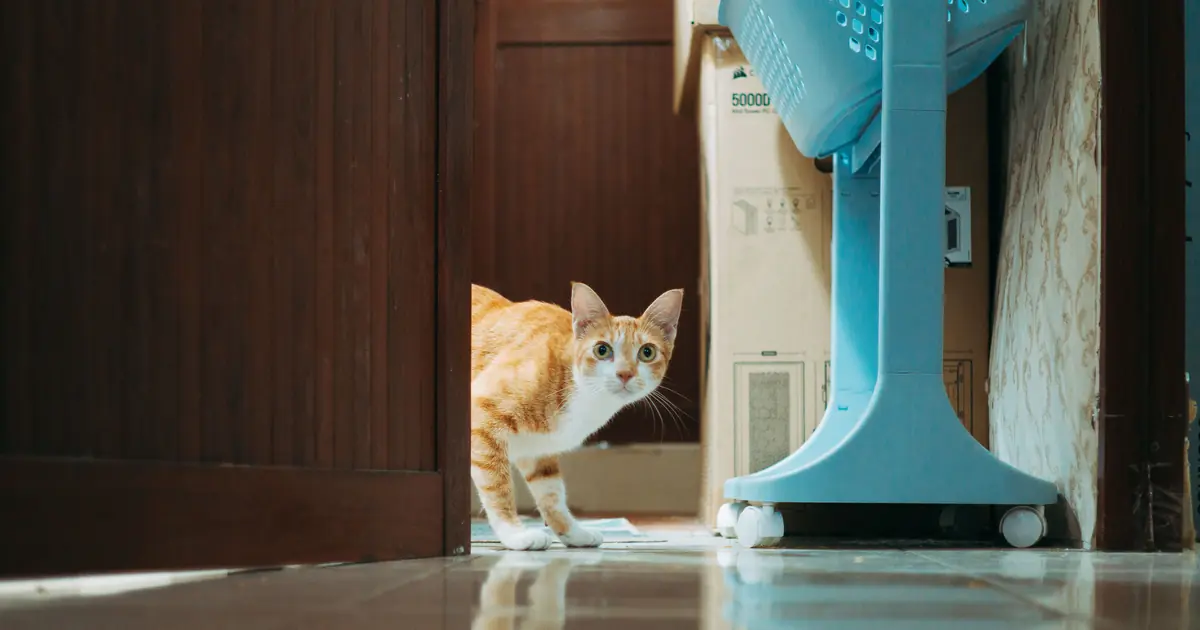
If you’ve ever watched your cat dash to the litter box again and again, squat for ages, and produce almost nothing, your stomach probably dropped a little. I get it. Something is clearly wrong, and you want to know how to tell if your cat has a UTI before it gets worse. Here’s the thing: those litter box struggles are your cat’s way of waving a tiny flag for help, and learning to read the signs early can make a real difference.
This guide walks you through the real warning signs of a cat UTI, the one symptom that means you need a vet today, and what usually happens next. It’s written to reassure you, not scare you, so let’s take it one step at a time.
- The most common signs of a cat urinary problem are straining, frequent small urinations, blood-tinged urine, crying in the litter box, excessive genital licking, and peeing outside the box.
- A male cat straining to pee with little or no urine coming out may have a urinary blockage, which can be fatal within 24 to 48 hours and needs an emergency vet immediately.
- True bacterial UTIs are actually uncommon in cats under 10 years old; feline idiopathic cystitis (stress-related bladder inflammation) causes most cases of these symptoms.
- Cats older than 10, especially females, are more likely to have a real bacterial UTI, often alongside conditions like kidney disease or diabetes.
- A cat UTI will not reliably clear on its own, and home remedies like cranberry or apple cider vinegar are not proven to work, so a vet diagnosis is the safe path.
What Are the First Signs a Cat Has a UTI?
The first signs a cat has a UTI usually show up at the litter box: your cat strains to pee, makes frequent trips but produces only small amounts, and may cry or look uncomfortable while going. These changes happen because the bladder and urethra are inflamed, which makes urinating painful and creates a constant feeling of urgency.
Cat parents often notice the behavior before anything else. Your normally low-key cat suddenly seems restless around the box, scratches a lot, or hops in and out within seconds. That pattern, in and out with little to show for it, is one of the clearest early warning signs of a feline urinary problem.
Catch it early and you spare your cat days of discomfort. Most urinary issues feel a lot like a bad human UTI: that burning, gotta-go-now sensation that just won’t quit.
What Are the 8 Warning Signs of a UTI in Cats?
The eight warning signs of a UTI in cats are straining to urinate, frequent small urinations, blood-tinged or cloudy urine, crying or vocalizing in the litter box, urinating outside the box, excessive licking of the genital area, strong-smelling urine, and signs of pain like hiding or restlessness. Any one of these is worth a vet call.
Here’s a closer look at each sign so you know what you’re watching for.
| Warning Sign | What It Looks Like |
|---|---|
| Straining to urinate | Squatting and pushing for a long time, often with little or no result. |
| Frequent small urinations | Many trips to the box, but only a few drops or a tiny puddle each time. |
| Blood-tinged or cloudy urine | Pink, red, or murky urine, or small bloody spots in the litter. |
| Crying in the litter box | Meowing, yowling, or whining while trying to pee, a sign of pain. |
| Peeing outside the box | Accidents on cool, smooth spots like tile, sinks, tubs, or the bed. |
| Excessive genital licking | Constant grooming of the back end to soothe the irritation. |
| Strong-smelling urine | A sharper, stronger, or unusual odor than your cat’s normal pee. |
| Pain or behavior changes | Hiding, restlessness, low appetite, or seeming “off” and grumpy. |
You don’t need to see all eight signs to take action. Even two or three together are enough reason to call your vet.
Why Is My Cat Peeing Outside the Litter Box With a UTI?
A cat with a UTI pees outside the litter box because urinating has started to hurt, and your cat begins to associate the box itself with pain. Cats are smart and sensitive, so they often seek out cool, smooth surfaces like tile, the bathtub, a sink, or your bed, hoping the next try will feel better.
This is why a sudden change in litter box habits is so easy to misread as “bad behavior” or spite. It almost never is. When a previously tidy cat starts having accidents, a medical cause like a urinary issue should be ruled out first, before you change the litter or move the box.
If your cat is peeing on soft, absorbent spots like blankets or laundry, that can point to a urinary problem too. The discomfort, not defiance, is driving the behavior.
When Is a Cat UTI an Emergency? (Read This If You Have a Male Cat)
A cat urinary problem becomes a life-threatening emergency when a cat, especially a male cat, strains repeatedly but passes little or no urine. This can mean a urinary blockage, where the urethra is plugged and urine cannot escape. A complete blockage can be fatal within 24 to 48 hours, so it needs an emergency vet right away.
Male cats are at much higher risk because their urethra is longer and narrower than a female’s, which makes it far easier to clog with crystals, mucus, or tiny stones. When urine backs up, toxins build in the blood and the kidneys and heart can fail fast. This is one of the true emergencies in cat medicine.
Go to an emergency vet immediately if your cat shows any of these:
- Straining hard in the box with no urine or only a few drops
- Crying or yowling in obvious pain while trying to go
- A firm, swollen, or painful belly
- Vomiting, drooling, or refusing food
- Lethargy, weakness, hiding, or collapse
Please don’t wait to “see if it passes” overnight. For a blocked male cat, hours genuinely matter. When in doubt, call your nearest emergency clinic and describe what you’re seeing; they would much rather hear from you early.
This article is educational and not a substitute for veterinary care. Any cat showing these red-flag signs should be seen by a licensed veterinarian right away.
Is It Really a UTI, or Something Else? (UTI vs FLUTD)
Many cats with urinary symptoms don’t actually have a bacterial UTI at all. The symptoms you see, straining, blood, frequent peeing, are signs of feline lower urinary tract disease (FLUTD), which is an umbrella term for several bladder and urethra problems. A true bacterial infection is just one of those causes, and in younger cats it’s one of the least common.
FLUTD (feline lower urinary tract disease) describes any disorder affecting a cat’s bladder or urethra. According to the American Veterinary Medical Association and International Cat Care, the most frequent cause in cats under 10 is feline idiopathic cystitis (FIC), a stress-linked bladder inflammation with no infection involved. Bacterial UTIs cause only a small share of cases in young cats, while veterinary studies report FIC accounts for roughly 55% to 65%.
| Cause | What It Is | How Common |
|---|---|---|
| Feline idiopathic cystitis (FIC) | Stress-related bladder inflammation, no infection present. | Most common cause in cats under 10 (about 55% to 65% of cases). |
| Bladder stones or urethral plugs | Crystals, stones, or mucus plugs in the urinary tract. | A frequent cause, and the main driver of dangerous male blockages. |
| Bacterial UTI | An actual infection of the urinary tract by bacteria. | Uncommon in young cats; more likely in cats over 10, especially females. |
| Other (diabetes, kidney disease, tumors) | Underlying illness that affects urination. | More likely in older or chronically ill cats. |
Why does this matter for you at home? Because a cat with idiopathic cystitis should not be given antibiotics, while a cat with a true bacterial UTI usually needs them. The only way to know which one your cat has is a vet exam and urine testing, not a guess. So the right move is the same either way: get your cat checked.
Are Some Cats More Likely to Get a UTI?
Yes, some cats are more prone to urinary trouble than others. Cats older than 10, especially females, are the most likely to develop a true bacterial UTI, often alongside conditions like kidney disease, diabetes, or an overactive thyroid. Younger cats are more likely to have stress-related cystitis instead of an infection.
Beyond age, a few other factors raise a cat’s risk of urinary problems:
- Sex and anatomy: Male cats face the most dangerous risk, blockages, because of their narrow urethra. Female cats get more bacterial infections because their urethra is shorter and wider.
- Weight: Overweight and less active cats tend to have more urinary issues.
- Diet and water intake: Cats on all-dry diets who drink little water make more concentrated urine, which can encourage crystals.
- Stress: Moves, new pets, schedule changes, or conflict at the litter box can trigger idiopathic cystitis in sensitive cats.
- Indoor lifestyle: Strictly indoor cats with limited enrichment can be more prone to stress-related flare-ups.
Knowing your cat’s risk profile helps you stay alert. An older female who suddenly strains is a different worry than a young male doing the same, though both deserve a vet’s eyes.
How Do Vets Diagnose a UTI in Cats?
Vets diagnose a cat UTI mainly through a urinalysis and a urine culture. The urinalysis checks for blood, bacteria, crystals, and pH, while the culture identifies the exact bacteria and the antibiotic that will kill it. Your vet may also use X-rays, an ultrasound, or bloodwork to look for stones or underlying disease.
The most reliable urine sample comes from a quick, safe procedure called cystocentesis, where the vet draws urine directly from the bladder with a fine needle. This avoids contamination so the results are accurate. It sounds intense, but it’s routine and fast.
Here’s what a typical urinary workup looks like:
- Physical exam: The vet feels your cat’s bladder to check size, firmness, and pain.
- Urinalysis: A urine sample is tested for blood, white cells, crystals, bacteria, and concentration.
- Urine culture: If infection is suspected, a culture confirms it and guides antibiotic choice.
- Imaging: X-rays or ultrasound look for bladder stones, plugs, or structural issues.
- Bloodwork: Used when kidney disease, diabetes, or another illness might be involved.
Diagnostic costs vary by clinic and region, but a urinary workup commonly runs in the range of about $200 to $300, more if imaging or a culture sent to an outside lab is needed. Ask your clinic for an estimate up front so there are no surprises.
Can a Cat UTI Go Away on Its Own?
No, you should not count on a cat UTI going away on its own. A true bacterial UTI generally needs prescription antibiotics to clear, and leaving it untreated can let the infection spread to the kidneys or hide a blockage that turns into an emergency. When urinary signs seem to fade by themselves, it often means the cause was inflammation, not infection, and it can easily flare again.
It’s also worth knowing that popular home remedies are not reliable fixes. Cranberry supplements and apple cider vinegar are sometimes suggested online, but they have not been proven to treat UTIs in cats, and some can even cause harm. There’s no safe DIY antibiotic for a cat.
The kindest, fastest path is a vet visit. Treatment is usually simple once the cause is known, and your cat will feel relief far sooner than if you wait and watch.
What Can I Do at Home to Help Prevent Cat UTIs?
You can lower your cat’s risk of urinary problems at home mainly by boosting water intake and reducing stress. More water means more dilute urine, which discourages crystals and irritation, and a calmer home helps prevent stress-driven cystitis. These steps support a vet’s treatment plan but do not replace it.
Simple, vet-friendly habits that help:
- Add water everywhere: Offer extra bowls, try a pet water fountain, and consider mixing in wet food for moisture.
- Feed wet food: Canned or pouch food has much higher water content than kibble alone.
- Keep litter boxes clean: Scoop daily and follow the “one box per cat plus one” rule.
- Lower stress: Keep routines steady, add vertical space and hiding spots, and reduce conflict between pets.
- Maintain a healthy weight: Encourage play and ask your vet about ideal weight.
- Watch the box: Notice clump size and frequency so you spot changes early.
If your cat keeps having flare-ups, ask your vet about a therapeutic urinary diet. A product can genuinely help here, but only as part of a plan your vet signs off on.
Feliway Classic 30 Day Starter Kit Calming Diffuser
This plug-in releases a synthetic version of a cat’s natural facial pheromone, which can help anxious cats feel safer at home. Because stress is a major trigger for feline idiopathic cystitis, a calmer environment may reduce flare-ups. It’s best for multi-cat homes or cats stressed by changes.
The Bottom Line on How to Tell If Your Cat Has a UTI
Learning how to tell if your cat has a UTI comes down to watching the litter box: straining, frequent tiny urinations, blood in the urine, crying, peeing outside the box, and constant licking are the signs to know. Many of these point to broader urinary trouble rather than a true infection, and only your vet can tell which one it is. Either way, your cat deserves a check.
And please remember the one rule that can save a life: if your cat, especially a male, is straining with no urine coming out, treat it as an emergency and call a vet now. You know your cat best, and trusting that gut feeling is exactly the kind of care that keeps them happy, healthy, and back to napping in the sun in no time.
Frequently Asked Questions About Cat UTIs
Q: How do I know if my cat has a UTI at home?
You can suspect a cat UTI at home if your cat strains in the litter box, pees small amounts often, has pink or bloody urine, cries while urinating, or licks their genitals a lot. These signs warrant a vet visit, since only urine testing can confirm whether it’s a true infection or another urinary problem.
Q: Can a cat UTI go away on its own?
No, a cat UTI should not be expected to go away on its own. A bacterial infection usually needs prescription antibiotics, and waiting risks the infection spreading to the kidneys or masking a dangerous blockage. If symptoms seem to fade, the cause may have been inflammation rather than infection, and it can return.
Q: Is a cat UTI an emergency?
A cat urinary problem becomes an emergency when a cat strains but passes little or no urine, which can signal a blockage. This is most common and most dangerous in male cats and can be fatal within 24 to 48 hours. Crying in pain, vomiting, or a hard belly also mean you should see an emergency vet immediately.
Q: What does cat UTI urine look like?
Cat UTI urine often looks pink, red, or cloudy, and you may see small bloody spots in the litter. The urine may also smell stronger or more unusual than normal. You might notice many small clumps instead of one or two larger ones, since the cat is peeing tiny amounts frequently.
Q: Are male or female cats more likely to get a UTI?
Female cats are more prone to actual bacterial UTIs because their urethra is shorter and wider, making it easier for bacteria to reach the bladder. Male cats get fewer bacterial infections but face a much higher risk of life-threatening urinary blockages because their urethra is long and narrow.
Q: Will cranberry or apple cider vinegar cure my cat’s UTI?
No, cranberry and apple cider vinegar are not proven to cure a cat’s UTI, and some home remedies can cause harm. There is no safe at-home antibiotic for cats. A true urinary infection needs veterinary diagnosis and prescription treatment, so these products should never replace a vet visit.
Q: How much does it cost to treat a cat UTI?
Diagnosing a cat UTI commonly costs about $200 to $300, covering the exam, urinalysis, and sometimes a urine culture or imaging. Antibiotics themselves are usually inexpensive. Costs rise if your cat needs X-rays, an ultrasound, or emergency care for a blockage, so ask your clinic for an estimate.
Q: How long does it take a cat UTI to clear up?
With proper veterinary treatment, many cat UTIs improve within a few days of starting antibiotics, though the full course often lasts one to two weeks. Always finish the entire prescription even if your cat seems better, and recheck with your vet if symptoms linger or return.

Hello and welcome to The Ideal Cat!
We are some passionate cat owners from different professions. We love our cats and have a lot of experience in how to care for our pets. We are incredibly excited to share our knowledge, experience, and research with you. So you can take good care of your loving cat. We will answer most of the common questions about owning cats, taking care of them, etc. If you have any question contact with us. Thanks for visiting! Enjoy the content.
