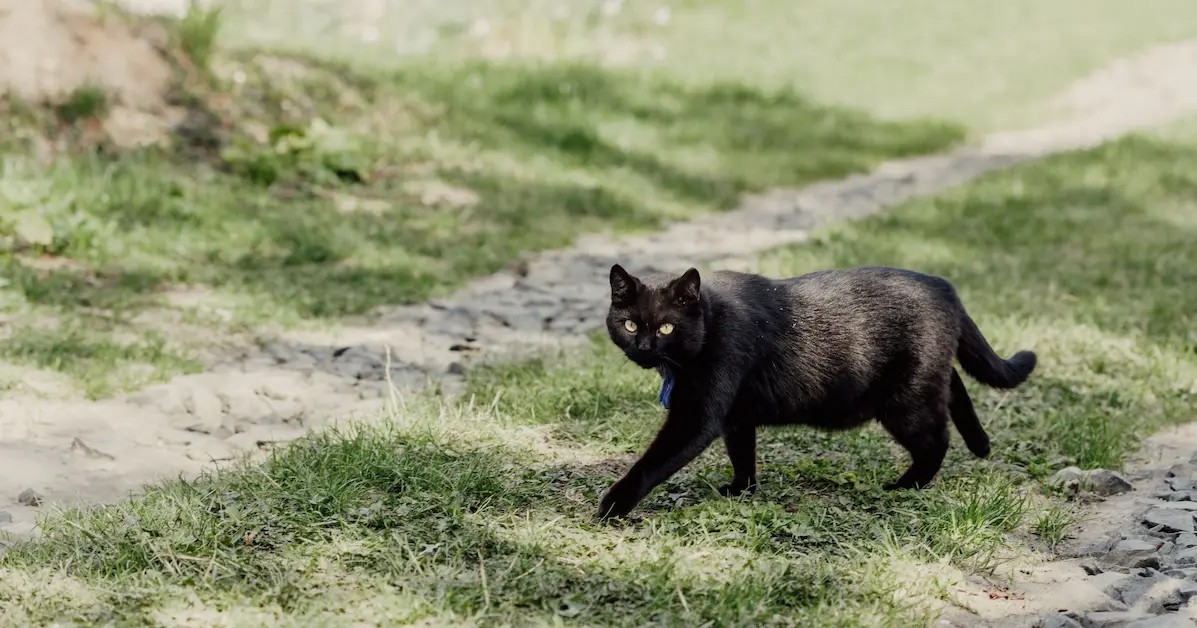
You sit down to answer one quick email. Within thirty seconds, a small, glossy black cat has poured itself across your keyboard, locked two copper eyes onto yours, and started a low conversation about how the email can wait.
That’s a Bombay. Picture a house cat that looks like a shrunken panther and acts like a needy little shadow who genuinely cannot believe you’d do anything that isn’t holding it.
People fall hard for the look first. Then they meet the personality and realize the coat was the least interesting thing about this cat. Here’s the honest rundown so you know exactly what you’d be signing up for.
Bombay Cat Breed Stats at a Glance
| Origin | United States (20th century) |
| Weight (Male) | 8 to 12 lbs |
| Weight (Female) | 6 to 10 lbs |
| Lifespan | 12 to 16 years (some reach 18 to 20) |
| Coat | Short, sleek, glossy |
| Colors | Black only (with copper to gold eyes) |
| Energy Level | Moderate |
| Grooming Needs | Low |
| Good With Kids | Yes |
| Good With Other Pets | Yes, with slow intro |
| Average Price | $500 to $2,000 from breeders |
Where the Bombay Cat Really Comes From
First myth out of the way: the Bombay has nothing to do with India. The name is pure marketing romance.
A breeder named Nikki Horner in Louisville, Kentucky had one goal in the 1950s. She wanted a cat that looked like the black leopards of India but lived happily on your couch. So she started crossing black American Shorthairs with sable Burmese.
It didn’t work right away. The early litters weren’t what she pictured, and she kept refining the lines for years before things clicked in the mid-1960s. The major registries came around in the 1970s, with the Cat Fanciers’ Association granting championship status in 1976.
Today the Bombay is recognized by the CFA, TICA, and FIFe. It’s still a fairly rare breed, with only a handful of dedicated breeders, which is why waiting lists are normal.
What a Bombay Cat Actually Looks Like
One word covers most of it: round. Round head, round-tipped ears, big round eyes set wide apart, and a sturdy, rounded body. Nothing about a Bombay is sharp or angular.
The coat is the showstopper. It’s short, lies tight to the body, and has a patent-leather shine that catches light like polished glass. And it only comes in one color: black. Not “mostly black.” Black to the roots, including the nose leather and paw pads.
Then there are the eyes. Copper to deep gold, and against all that black fur they look almost lit from inside. It’s the single most striking thing about meeting one in person.
Size-wise, they’re medium but deceptive. Bombays are muscular and dense, so when you pick one up it feels heavier than it looks. Males run a bit larger than females, and most fill out fully somewhere in their first couple of years.
Kittens look like fuzzy black smudges with oversized ears, and some are born with a faint ghost of tabby markings that fade as the deep black sets in. A small white chest tuft can show up too, a leftover wink from the Burmese side of the family.
Living With a Bombay: The Velcro Cat Truth
Here’s the part the cute photos don’t warn you about. A Bombay does not want to be near you. A Bombay wants to be on you.
Owners call them “velcro cats” for good reason. Yours will follow you from room to room, supervise your shower, sit on whatever you’re trying to read, and meet you at the door like a small loyal dog. The breed is often compared to dogs, and the comparison is fair: they fetch, they learn their names, and many take to leash walks.
They’re also talkers. Not Siamese-loud, usually, but conversational. A Bombay will chirp and meow at you throughout the day, especially around mealtimes and when they decide your attention is overdue.
And they’re sharp. Bombays figure out cabinet doors, learn your routine fast, and get genuinely bored without something to do. That intelligence is a joy and a small responsibility at the same time.
The good news is they’re warm with almost everyone, including guests, kids, and the household dog. The honest news is that all this devotion has a flip side, which brings us to the most important question in this whole guide.
Is a Bombay Cat Right for You?
This breed isn’t for everyone, and pretending otherwise does nobody any favors. Run yourself through this quick gut-check before you fall for those eyes.
A Bombay is a great fit if you:
- Are home a lot, or have flexible work-from-home days
- Want a cat that’s involved in everything you do
- Like a chatty, interactive pet over an aloof one
- Don’t mind sharing your lap, your bed, and your keyboard
- Can offer daily play and a little mental stimulation
A Bombay is probably the wrong cat if you:
- Work long hours and travel often with nobody home
- Want an independent cat that does its own thing
- Live somewhere noise-sensitive and can’t tolerate vocalizing
- Prefer a hands-off, low-attention pet
Here’s the thing about that second list. Bombays are one of the breeds most prone to separation anxiety. Leave one alone for long stretches with no enrichment and you don’t get a calm, independent cat. You get a stressed, over-vocal, sometimes destructive one. If your lifestyle lives on the wrong list, please pick a more independent breed. You’ll both be happier.
One practical workaround: if you’re out a lot but still want this breed, a second pet helps enormously. A Bombay with a feline or cat-friendly canine buddy copes far better than a Bombay home alone.
Bombay Health Issues You Should Know About
Bombays are generally a hardy breed, and many sail through life with nothing worse than a sensitive tummy. But because they descend from Burmese, they carry a few inherited risks worth understanding before you buy.
Hypertrophic Cardiomyopathy (HCM)
This is the big one to know. HCM is a heart condition where the muscle walls thicken and the heart can’t pump as well as it should. It can be silent for a long time, then show up as low energy, fast breathing, or sudden weakness.
There’s no cure, but it’s manageable when caught early. A good breeder screens their breeding cats, and your vet can listen for murmurs and recommend a heart scan if anything seems off. Honestly, regular checkups are your best tool here.
Hypokalemia
This one rides in on the Burmese genes. Hypokalemia means low potassium in the blood, and it can leave a cat weak, wobbly, or off their food. The classic sign is a cat that seems oddly floppy or can’t hold its head up normally. It’s treatable with supplements and diet, but it needs a vet, not a wait-and-see.
The Flat-Face Trade-Off
That cute rounded muzzle comes with a small cost. Bombays sit on the mild end of the flat-faced spectrum, and some are prone to runny eyes, sneezing, and sinus or breathing issues. Keep an eye on excessive tearing and any noisy breathing, and mention it to your vet rather than assuming it’s normal.
Dental Disease
Like a lot of cats, Bombays are prone to gum trouble and plaque buildup. Brushing their teeth (yes, really) plus dental treats and regular cleanings will save you money and save them pain down the road.
A Serious Heads-Up for Breeders
There’s a rare but heartbreaking craniofacial defect inherited from Burmese lines, where kittens are born with severe facial malformations and don’t survive. You won’t meet these kittens as a pet buyer, but it’s one more reason to only work with a breeder who tests their lines and breeds responsibly.
Grooming and Coat Care
Good news: a Bombay is about as low-maintenance as a cat gets. That short, tight coat practically polishes itself.
A quick brush once a week is plenty. It pulls out loose hair, spreads the natural oils that keep the coat glossy, and gives you a few minutes of bonding your Bombay will adore. Many owners just use a rubber grooming mitt and call it done.
Now the honest catch nobody mentions: black fur shows up on everything. Light couch, pale sweater, cream carpet, your Bombay will redecorate all of it in fine black hairs, especially during seasonal sheds. They’re not heavy shedders, but the contrast makes every hair visible. Keep a lint roller handy and make peace with it.
Round out the routine with regular nail trims, weekly ear checks, and that dental care we talked about. That’s the whole grooming job.
Feeding Your Bombay Cat
Bombays love food. Like, suspiciously love it. They tend to be enthusiastic eaters who’ll happily inhale whatever you put down and then ask for more, which makes weight gain the single biggest diet issue for this breed.
So skip free-feeding. Measured meals at set times work far better, and they double as another little ritual your attention-loving cat will look forward to. A puzzle feeder is a great trick here: it slows the gobbling down and gives that clever brain a job.
Go for a high-protein, meat-first food, with a named animal protein like chicken, turkey, or fish at the top of the label. A mix of wet and dry tends to work nicely. Wet food keeps them hydrated, dry food gives a little dental scrub. Always keep fresh water available, and if yours ignores the bowl, a pet fountain often does the trick.
Exercise and Enrichment
Bombays are moderately active, not hyper, but they get bored easily and bored plus smart is a recipe for trouble. Aim for around 30 minutes of play a day, split into a few short bursts.
Because they’re so trainable, training itself counts as enrichment. Teach yours to sit, high-five, or come when called, and reward with a tiny treat. A wand toy, a rotation of puzzle toys, and a tall cat tree by a sunny window will keep most Bombays content.
Keep them indoors. Bombays are perfectly happy as indoor cats and even do fine in apartments, as long as you’re providing the company and stimulation they need. That sleek black coat also makes them hard to spot near roads at night, which is one more reason the outdoors isn’t worth the risk.
Bombays With Kids, Dogs, and Other Cats
This is where the Bombay really shines. Their social, easygoing nature makes them one of the friendlier breeds for a busy household.
With respectful kids, they’re patient and playful, often becoming a child’s shadow. As always, teach little ones gentle handling, but you won’t be refereeing constant standoffs.
Dogs and other cats? Usually no problem, as long as introductions go slow. Give everyone their own space at first, swap scents, and let the relationship build over days, not minutes. Plenty of Bombays end up best friends with the family dog. And remember, a second pet isn’t just tolerated by this breed, it’s often a genuine help for their separation anxiety.
Lifespan and Aging
A well-cared-for Bombay typically lives 12 to 16 years, and a good number push to 18 or beyond. That’s a long, rewarding stretch of velcro-cat devotion.
Their needs shift as they age. Kittens need a run of early vet visits for vaccines and a spay or neuter. Adults do well with a yearly checkup. Seniors benefit from twice-yearly visits so your vet can catch heart, kidney, or dental issues early.
As your Bombay grows older, watch their weight, keep up the dental care, and stay alert to any breathing or energy changes given that HCM risk. The single best thing you can do for a long life is consistency: same good food, same vet rhythm, same daily affection they crave.
How Much Does a Bombay Cat Cost?
Let’s talk money. From a reputable breeder, a Bombay kitten usually runs $500 to $2,000, with most pet-quality kittens landing somewhere around $800 to $1,500. Show-quality kittens from refined bloodlines sit at the top end.
Adoption is far cheaper, often $15 to $300 in fees, but here’s the reality: purebred Bombays rarely turn up in shelters because they’re uncommon to begin with, and owners tend to return them to breeders rather than surrender them.
Don’t forget the ongoing costs either. Plan for $500 to $850 in starter supplies (carrier, litter boxes, beds, microchip, neuter if needed) plus monthly food, litter, and ideally pet insurance. Over a 15-year life, the kitten price is the small part.
Red flags that scream “walk away”: a “breeder” with kittens always available and no waiting list, no health testing for HCM, no paperwork, prices that seem too good to be true, or someone who’ll knock the price way down if you haggle. With a rare breed, bargains usually mean corners were cut on the part you can’t see.
Where to Find a Bombay Ethically
Because Bombays are rare, finding one ethically takes patience. Start with breeders registered through the CFA or TICA, expect a waiting list, and treat that wait as a good sign, not an inconvenience.
A responsible breeder will happily show you health-testing records, let you meet the kitten’s parents or at least the mother, raise kittens underfoot in the home, and ask you plenty of questions in return. They’ll offer a health guarantee and take a cat back if life falls apart for you. Anyone dodging those things isn’t who you want.
Rescue is also worth a look. Breed-specific rescues and sites like Petfinder occasionally list Bombays or Bombay mixes, and your local shelter is full of gorgeous black cats with the same loving temperament who’d thrive in your home. A black moggy isn’t a Bombay, but it might be exactly the companion you were hoping for.
Similar Breeds to Consider
Not sure the Bombay’s the one? A few relatives and look-alikes worth exploring:
- Burmese: The Bombay’s parent breed. Same devoted, people-glued personality, just in a range of warmer coat colors.
- American Shorthair: The other parent. More independent and laid-back if the velcro thing isn’t for you.
- Oriental Shorthair: Sleek, vocal, and equally attached to their humans, in dozens of colors and patterns.
- Russian Blue: Another gorgeous, quiet, single-color cat, though shyer and more reserved than a Bombay.
- Black Maine Coon: If you want a big, fluffy black cat instead of a sleek one, this gentle giant delivers.
Common Bombay Cat Myths and Misconceptions
This breed collects myths like its coat collects compliments. Let’s clear up the big ones.
Myth: Bombays come from India. Nope. They were created in Kentucky. The name just nods to the Indian black leopard that inspired the look.
Myth: Any black cat is a Bombay. Most solid black cats are mixed-breed sweethearts, not Bombays. A true Bombay is a specific pedigreed breed with that signature copper-eyed, rounded look.
Myth: Short coat means no shedding and no grooming. They shed less than fluffy breeds, but they do shed, and that black hair shows everywhere. A weekly brush is still a good idea.
Myth: Black cats are unlucky or hard to bond with. Pure superstition. Bombays are some of the most affectionate cats you’ll ever meet. The only “bad luck” is how attached you’ll get.
Bombay Cat FAQ
Q: Are Bombay cats rare?
Yes. With only a small number of dedicated breeders, Bombays are considered one of the rarer cat breeds, and waiting lists are common when buying from a reputable source.
Q: Are Bombay cats hypoallergenic?
No. No cat is truly hypoallergenic, and Bombays still produce the Fel d 1 protein that triggers allergies. Their short coat may feel a little easier, but they’re not allergy-proof.
Q: Are Bombay cats good for first-time owners?
They can be, thanks to easy grooming and a loving nature. The one caveat is their need for company. A first-time owner who’s home often will do great; one who’s gone all day will struggle.
Q: Do Bombay cats get along with dogs?
Usually yes. Their social, dog-like personality means they often bond well with cat-friendly dogs, as long as you handle introductions slowly and give both animals their own space at first.
Q: How big do Bombay cats get?
They’re medium-sized but muscular, with males around 8 to 12 pounds and females closer to 6 to 10. They feel heavier than they look because of their dense, solid build.
Q: Why is my Bombay cat so clingy?
It’s in their nature. Bombays form intense bonds and crave constant closeness, which is why owners call them velcro cats. With enough attention and play, this devotion is a feature, not a flaw.
Q: Can Bombay cats live in apartments?
Yes. Bombays adapt happily to apartments and indoor life. What they need isn’t square footage, it’s your company plus daily play and mental stimulation.
Q: How long do Bombay cats live?
Most live 12 to 16 years, and with good care some reach 18 to 20. Regular vet visits, weight control, and dental care all help them hit the higher end.
Final Verdict: Should You Get a Bombay Cat?
If you want a cat that treats you like the center of its universe, the Bombay is hard to beat. You get a striking mini-panther look, an easy-care coat, a sharp and trainable mind, and a companion that genuinely wants to be part of your day.
The catch is simple and worth repeating: this is not a cat for someone who’s gone all the time. Their love comes with real emotional needs, and meeting those needs is the whole deal. Get that right, and a Bombay cat will reward you with years of warm, glossy, copper-eyed devotion.
Match your life to the breed honestly, and you’ll wonder how you ever sat at a keyboard without a small black shadow draped across it.

Hello and welcome to The Ideal Cat!
We are some passionate cat owners from different professions. We love our cats and have a lot of experience in how to care for our pets. We are incredibly excited to share our knowledge, experience, and research with you. So you can take good care of your loving cat. We will answer most of the common questions about owning cats, taking care of them, etc. If you have any question contact with us. Thanks for visiting! Enjoy the content.
