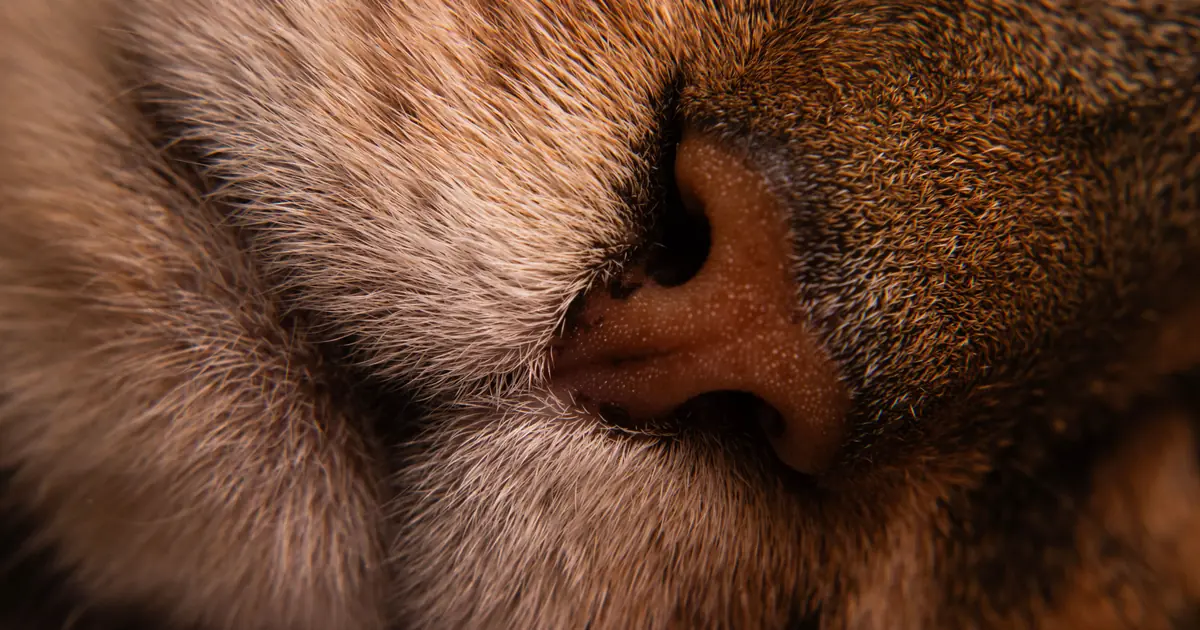
Picture this: your cat comes tearing around the corner at full speed, misjudges the doorway, and smacks face-first into the frame. She shakes it off, sneezes twice, and struts away like nothing happened. But you’re left staring at her nose, wondering if you just watched something break.
It’s a fair thing to wonder. Cats are fast, they leap without always checking the landing, and their faces take the brunt of a lot of mishaps. The good news is that a bruised or scraped nose is far more common than an actual fracture. The important part is knowing which signs mean “watch and wait” and which ones mean “get in the car now.”
- A cat’s nose is made mostly of cartilage and small, thin nasal bones, not one solid bone, so a hard enough impact can bruise, break, or dislocate the structure.
- Falls from height, car accidents, cat fights, and running into furniture or windows are the most common causes of nose injuries in cats.
- Warning signs of a nasal fracture include bleeding from the nostrils, visible swelling, a bent or crooked nose, snoring or noisy breathing, and pawing at the face.
- A nosebleed and breathing difficulty together are considered a veterinary emergency and should never wait until morning.
- Vets diagnose nasal fractures with a physical exam and imaging like X-rays or a CT scan, and treatment ranges from pain relief to surgical realignment.
Can cats break their nose?
Yes, cats can break or fracture their nose, though it happens less often than you’d think given how much cats jump and climb. A cat’s nose is built mostly from flexible cartilage rather than solid bone, and cartilage tends to bend or bruise instead of snapping cleanly. Still, the small nasal bones that sit higher up near the eyes and the bony structures underneath the nose pad can crack under enough force, especially from a fall, a car accident, or a hard fight with another animal.
Most everyday bumps, like a cat misjudging a jump or bonking its face on a cabinet door, cause a bruise or a scrape at worst. A true fracture usually comes from something more forceful. If your cat’s nose looks crooked, swollen, or won’t stop bleeding after an impact, treat it as a possible fracture until a vet says otherwise.
What is a cat’s nose actually made of?
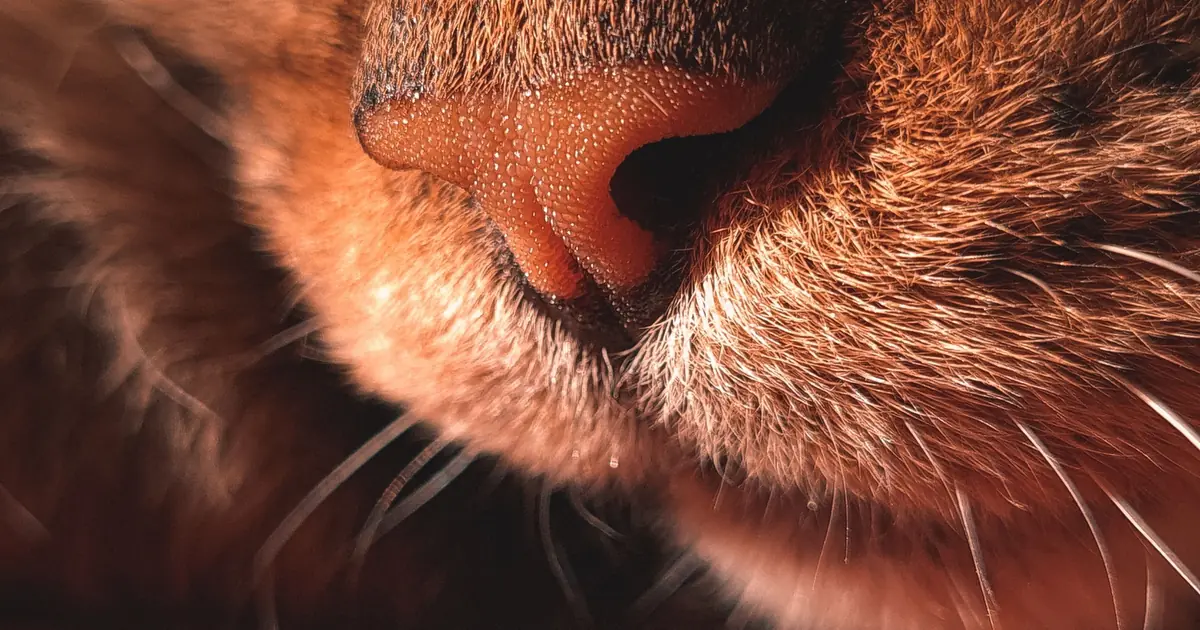
A cat’s nose is a mix of soft cartilage, a leathery outer pad, and a few small facial bones. The visible, moist part of the nose is called the nasal planum or rhinarium, a specialized patch of skin with a unique texture and pigment pattern, sometimes described as being as individual as a human fingerprint. Underneath that pad, the structure of the nose is held together by cartilage plates, similar to the flexible part of a human nose, rather than one rigid bone.
Further back and higher up, near where the nose meets the skull, sit the actual nasal bones. These are thin, delicate bones that protect the nasal passages and sinuses. Because they’re so thin, they can fracture with a direct hit, even though the cartilage-heavy front of the nose tends to absorb smaller impacts without breaking.
What causes nose injuries in cats?
Nose injuries in cats usually come from a fall, a collision, or a fight, and each one delivers a different kind of force to the face. Knowing the common causes helps you understand how serious an injury might be.
- High-rise falls: Cats that fall from balconies or open windows, sometimes called high-rise syndrome, often land face or chest first and can fracture the nose, jaw, or palate.
- Car accidents: Outdoor and indoor-outdoor cats hit by vehicles frequently suffer facial and nasal trauma along with other injuries.
- Fights with other cats or animals: Bites and blows to the face during a scuffle can bruise, cut, or fracture the nose and surrounding tissue.
- Running into furniture, doors, or windows: A cat sprinting during a play session or the middle-of-the-night zoomies can misjudge a jump and slam nose-first into something solid.
- Being stepped on or caught in a door: Accidental crushing injuries from a foot or a closing door can bruise or fracture the delicate nasal bones.
What are the signs of a broken or injured nose in cats?
The clearest signs of a nose injury in cats are bleeding from one or both nostrils, visible swelling, a nose that looks bent or off-center, and noisy or labored breathing. Cats hide pain well, so it helps to watch the whole picture rather than a single symptom.
- Bleeding from the nose (epistaxis), whether a few drops or a steady flow
- Swelling or puffiness around the bridge of the nose or under the eyes
- A visibly crooked, bent, or deviated nose compared to before the injury
- Pain when the face is touched, or flinching away from contact
- Sneezing, especially if it’s frequent or brings up blood
- Snoring, snorting, or noisy breathing that wasn’t there before
- Difficulty breathing, breathing through the mouth, or breathing with visible effort
- Nasal discharge that’s thick, colored, or foul-smelling
- Pawing at the face or rubbing the nose against furniture or the floor
If your cat is also dealing with ongoing sneezing or discharge without a clear injury behind it, it’s worth reading about the common causes of a runny nose in cats, since infections and allergies can look similar to trauma at first glance.
Which signs mean it’s urgent?
Not every nose injury needs an emergency visit, but some signs mean you shouldn’t wait. This table breaks down what each sign might mean and how quickly to act.
| Sign | What it may mean | Urgency |
|---|---|---|
| Bleeding from the nose | Bruised tissue, a cut, or a nasal fracture; heavy or ongoing bleeding may signal a deeper injury | See a vet the same day; go now if bleeding is heavy or won’t stop |
| Swelling around the nose or face | Bruising, soft tissue damage, or a fracture underneath | Same-day vet visit |
| Crooked or deviated nose | A likely fracture or dislocation of the nasal bones or cartilage | Same-day vet visit |
| Noisy or difficult breathing | Swelling, blood, or debris blocking the nasal passages; can affect airflow quickly since cats prefer breathing through the nose | Emergency, go immediately |
Why are nose injuries in cats serious?
Nose injuries in cats are serious because cats rely heavily on nasal breathing and a damaged nose can affect airflow, smell, and the risk of infection. Cats are not comfortable breathing through their mouths for long stretches, so swelling or blood blocking the nasal passages can genuinely make it hard for them to get enough air. According to the Merck Veterinary Manual, nasal trauma can also introduce bacteria into the sinuses, raising the risk of a secondary infection if it isn’t treated.
There’s another reason vets take facial trauma seriously: the force strong enough to injure the nose often affects nearby structures too, including the teeth, jaw, palate, and sometimes the skull. A vet exam after any real impact isn’t just about the nose, it’s about ruling out the injuries you can’t see from across the room.
What should you do if your cat hurts its nose?
If your cat hurts its nose, stay calm, avoid touching or poking the area, and get her seen by a vet, especially if there’s bleeding, swelling, or a change in breathing. Here’s how to handle it step by step.
- Stay calm and keep your voice low and steady. Cats pick up on stress, and a panicked owner makes an already scared cat more difficult to handle.
- Confine your cat to a small, quiet room or carrier to limit movement and stop the injury from getting worse.
- Do not try to straighten, clean inside, or apply pressure directly into the nostrils. A light, clean cloth can dab away external blood, but leave the inside alone.
- Check breathing. If your cat is breathing through her mouth, making loud snoring sounds, or seems to be struggling, this is an emergency.
- Call your regular vet or the nearest emergency animal hospital and describe what happened. They can tell you whether to come in immediately or monitor at home for a short time.
- Keep other pets away from your cat while she recovers from the shock of the injury, since even friendly housemates can trigger stress or another scuffle.
Heavy bleeding, obvious breathing distress, or a nose that looks visibly caved in or displaced means skip the phone call and go straight to an emergency vet.
How do vets treat a broken nose in cats?
Vets treat a broken nose in cats by first stabilizing breathing and pain, then confirming the fracture with imaging, and treating based on how severe the break is. A typical workup starts with a physical exam, checking the airway, and assessing for shock or other injuries from the same accident.
From there, most vets recommend X-rays, and sometimes a CT scan for a more detailed look at the nasal bones and sinuses, according to guidance from VCA Animal Hospitals. Treatment depends on what they find:
- Minor cracks or bruising often just need pain management and rest while the cartilage and bone heal on their own.
- Displaced fractures, where the bone or cartilage has shifted out of place, may need manual realignment under sedation or anesthesia.
- Severe fractures affecting breathing or the surrounding facial bones sometimes require surgery to stabilize the area.
- Any open wounds get cleaned and treated to prevent infection; if your cat has a cut alongside the nose injury, it helps to know how to clean a cat wound the right way at home between vet visits.
Your vet is the only one who should be handling pain control here. Never give your cat human pain medication or anything from your own medicine cabinet, since many common drugs are toxic to cats.
What else can cause a bloody or swollen nose in cats besides trauma?
Trauma isn’t the only reason a cat’s nose can bleed or swell. Other causes include foreign objects lodged in the nasal passage, infections, high blood pressure, nasal tumors, and blood clotting disorders. According to the Cornell Feline Health Center, unexplained nosebleeds in cats, especially in older cats with no history of an accident, always warrant a vet visit to rule out these underlying conditions.
A dry or crusty nose that isn’t linked to an injury is usually something else entirely. If you’re noticing dryness rather than bleeding or swelling, our guide on why a cat’s nose is dry covers the more common, less urgent reasons behind it, and our piece on black crust on a cat’s nose walks through when scabbing needs medical attention.
A quick vet note: This article is for general education and isn’t a substitute for a hands-on exam. Any nasal injury with bleeding, an obviously deformed nose, or trouble breathing needs prompt veterinary care, and heavy bleeding or breathing distress is a true emergency that can’t wait for a next-day appointment.
Frequently Asked Questions
Q: Can a cat’s nose bleed without a broken bone?
Yes, a cat’s nose can bleed from a bruise, a scrape, or a burst blood vessel without any bone actually breaking. Nosebleeds can also come from infections, high blood pressure, or a foreign object stuck in the nasal passage, so a vet exam is the only way to know the cause for sure.
Q: How do I know if my cat’s nose is broken or just bruised?
A bruise usually causes mild swelling or a small amount of blood without changing the shape of the nose, while a fracture often makes the nose look crooked, swollen, or misaligned. Since the two can look similar at first, a vet exam and X-rays are the only reliable way to tell them apart.
Q: Will a cat’s broken nose heal on its own?
Minor cracks or bruised cartilage can heal on their own with rest and time, often within one to two weeks, but a vet should confirm the injury is minor first. Displaced or severe fractures need veterinary treatment, since they won’t realign correctly without help.
Q: What does a cat with a broken nose sound like?
Cats with nasal trauma often make snoring, snorting, or wheezing sounds because swelling or blood partially blocks the nasal passage. If your cat suddenly sounds congested or noisy for reasons other than an injury, our article on why a cat is wheezing covers other causes worth ruling out.
Q: Can a cat break its nose from a hard sneeze?
No, a normal sneeze isn’t forceful enough to fracture the nasal bones or cartilage in a cat. Frequent or violent sneezing is more often a sign of irritation, infection, or a foreign object in the nose rather than a structural injury.
Q: Is a crooked nose in cats always from an injury?
Not always. Some cats are simply born with a slightly asymmetrical or off-center nose as part of their natural anatomy, and certain flat-faced breeds show more visible nasal asymmetry. A nose that changes shape suddenly, though, especially alongside swelling or bleeding, points to a recent injury rather than a lifelong trait.
Q: Can indoor cats break their nose?
Yes, indoor cats can break their nose just as easily as outdoor cats, usually from running into furniture, windows, or doors, or from a fall off a high shelf or cat tree. Cats’ quick reflexes help them avoid most collisions, but a misjudged jump during play or the middle-of-the-night zoomies can still end in a hard bump. Curious about how fast those reflexes really are? Check out how fast cat reflexes actually are.
Q: Are nose injuries in cats as serious as tail injuries?
Nose injuries can affect breathing, which makes them urgent in a different way than most tail injuries. Tail injuries come with their own risks, though, including nerve damage that can affect bladder control; our guide on whether cats can break their tail covers those signs in detail.

Hello and welcome to The Ideal Cat!
We are some passionate cat owners from different professions. We love our cats and have a lot of experience in how to care for our pets. We are incredibly excited to share our knowledge, experience, and research with you. So you can take good care of your loving cat. We will answer most of the common questions about owning cats, taking care of them, etc. If you have any question contact with us. Thanks for visiting! Enjoy the content.
