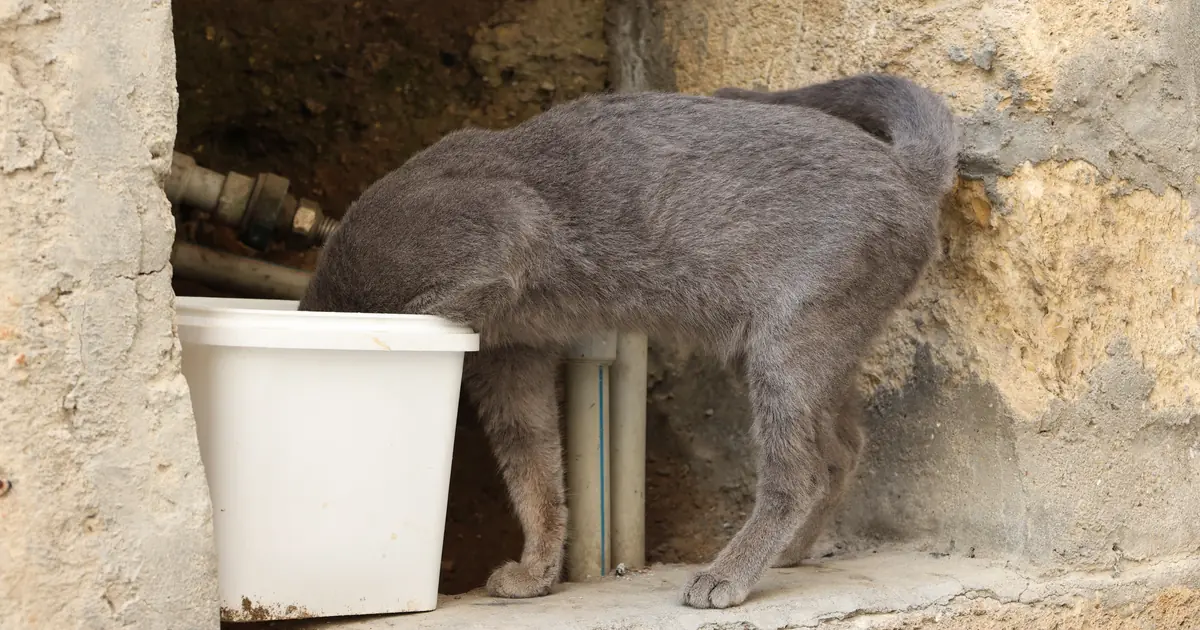
If you just watched your cat push its head into a corner and hold it there, your gut is probably telling you something is wrong. Trust that instinct.
Head pressing looks strange the first time you see it, and it should. This is not a quirky habit or a new way of asking for attention. It is one of the clearest signs that something is affecting your cat’s brain, and it needs medical attention now, not after a weekend of watching and waiting.
- Head pressing is the repeated, purposeless pressing of the head against a solid surface, and it points to disease in the forebrain, the front part of the brain.
- Head pressing is not the same as head bunting or head butting, which is a normal, gentle, affectionate behavior cats use to mark you and their territory with facial pheromones.
- Common causes include toxin exposure, hepatic encephalopathy from liver disease or a liver shunt, brain tumors, encephalitis or infection, and head trauma.
- Head pressing rarely shows up alone. Circling, disorientation, seizures, vision changes, and personality shifts often appear alongside it.
- Any cat showing head pressing needs an emergency vet visit immediately. This is not a symptom to monitor at home overnight.
What Does Head Pressing in Cats Look Like?
Head pressing in cats looks like a cat pushing its head into a wall, a corner, furniture, or even its own food bowl, and holding it there for seconds or minutes at a time. The cat isn’t scratching an itch or looking for something behind the object. It just keeps pressing, sometimes swaying slightly, sometimes staring blankly ahead the whole time.
Cats doing this often look “stuck” or dazed. Some pace toward a wall and press their head against it over and over. Others seem to seek out corners specifically, wedging their head into the tightest space they can find. It can happen once or repeat throughout the day, and it tends to get more frequent as the underlying problem gets worse.
Head Pressing vs. Head Bunting: What Is the Difference?
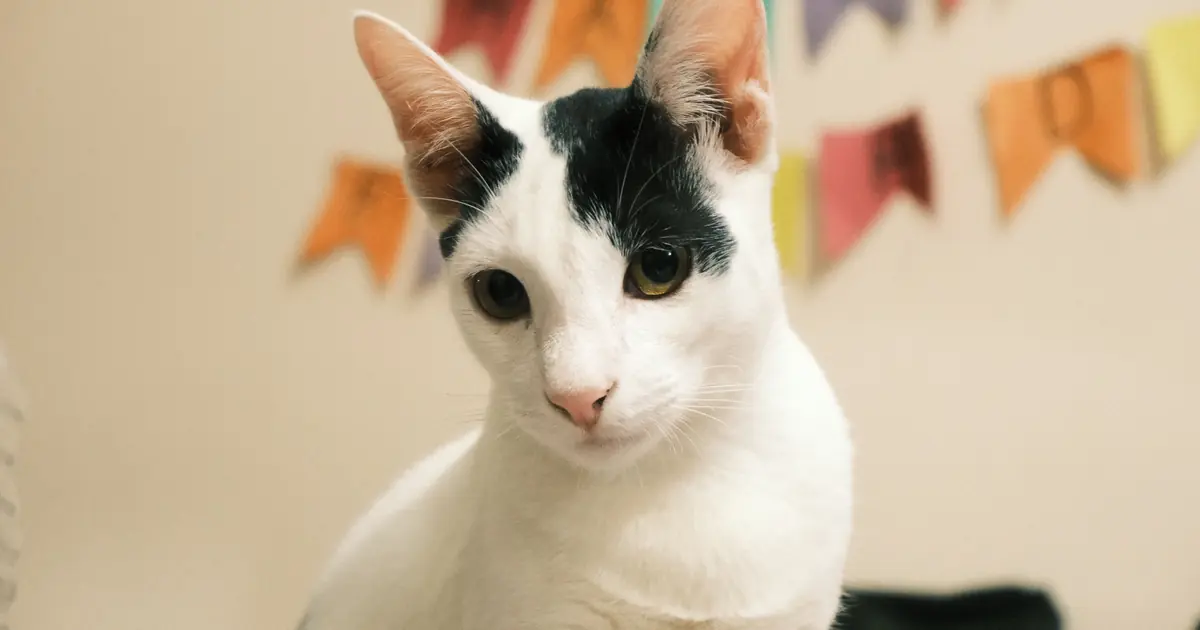
Head pressing and head bunting are opposites, even though both involve a cat’s head touching something. Head bunting (also called head butting) is affectionate rubbing you know well: a cat nudges its forehead or cheek gently against your hand, your leg, or a doorframe, usually briefly, and looks relaxed while doing it. Head pressing is a sustained, forceful, purposeless push against a hard surface, and it comes with an unwell, disoriented look, not a happy one.
Cats have scent glands on their forehead, chin, and cheeks. When your cat headbutts you, it is depositing its own pheromones to mark you as familiar and safe, a completely normal bonding behavior you can read more about in this guide on why cats headbutt the people they love. Head pressing shares none of that context. There’s no greeting, no seeking your attention, and no relaxed body language, just a cat pushing its head into an inanimate object like it can’t stop.
| Behavior | Head Pressing (Emergency) | Head Bunting (Normal Affection) |
|---|---|---|
| What it looks like | Head pushed hard against a wall, corner, or furniture, held for seconds to minutes | Brief, gentle rub of the forehead or cheek against you or an object |
| Why it happens | Neurological disease affecting the forebrain | Scent marking and social bonding using facial pheromone glands |
| Cat’s demeanor | Dazed, disoriented, sometimes swaying or unresponsive | Relaxed, purring, seeking contact with you |
| What to do | Get to a vet or emergency clinic immediately | Nothing. Enjoy the affection |
What Causes Head Pressing in Cats?
Head pressing is caused by disease or damage in the forebrain, the region of the brain that controls awareness and behavior, according to VCA Animal Hospitals. Several distinct problems can trigger it, and figuring out which one is at play is exactly why a vet visit can’t wait.
- Toxin exposure: Ingesting antifreeze (ethylene glycol), certain houseplants, human medications, or other poisons can cause direct damage to brain tissue.
- Hepatic encephalopathy: When the liver can’t filter toxins like ammonia out of the blood, either from liver disease or a congenital liver shunt, those toxins build up and affect the brain.
- Brain tumor: Meningiomas are the most common brain tumor in older cats, and a growing tumor puts pressure on brain tissue.
- Encephalitis or infection: Viral, bacterial, fungal, or parasitic infections can inflame the brain. Feline infectious peritonitis (FIP) is one cause vets watch for, as explained by the Cornell Feline Health Center.
- Head trauma: A fall, a car accident, or a hard blow to the head can cause swelling or bleeding around the brain.
- Stroke: A sudden loss of blood flow to part of the brain, sometimes called feline ischemic encephalopathy, can bring on head pressing along with other sudden neurological signs.
- Hydrocephalus: A buildup of fluid within the brain, most often seen in kittens, that raises pressure inside the skull.
Household toxins deserve special mention here. Some scented products that seem harmless to us are not harmless to cats, and if you’ve ever wondered whether incense is bad for cats, the short version is that smoke and certain fragrance chemicals can irritate a cat’s respiratory system and, in some cases, contribute to toxin exposure. If your cat has access to anything unusual, mention it to your vet.
What Other Neurological Signs Often Come With Head Pressing?
Head pressing rarely shows up as the only symptom. Cats with an underlying brain problem often show several neurological signs at once, and noticing the full picture helps your vet narrow down the cause fast.
- Circling repeatedly in one direction
- Pacing or restlessness that doesn’t settle
- Disorientation, including bumping into furniture or walls
- Seizures, which can range from a brief twitch to a full body convulsion (this guide breaks down what a cat seizure actually looks like)
- Vision changes or apparent blindness
- Sudden personality or behavior changes, including a cat that starts hiding and refusing to eat or acting scared for no obvious reason
- Unequal pupil size or abnormal eye movements
If you notice any of these alongside head pressing, tell your vet immediately. Don’t wait to see if it passes on its own.
What Should You Do Right Now If Your Cat Is Head Pressing?
Call an emergency vet or your regular vet immediately if your cat is head pressing. This is not a wait and see symptom. While you’re getting your cat into the carrier and on the way, keep these steps in mind:
- Stay calm and move your cat gently. Avoid rough handling, especially around the head.
- Think back over the last 24 to 48 hours. Did your cat get into antifreeze, a houseplant, a dropped pill, or any chemical? Note it so you can tell the vet.
- Do not give any medication, food, or water unless a vet tells you to. Some causes of head pressing make swallowing unsafe.
- Keep your cat in a quiet, low-stimulation carrier for the drive. Bright lights and loud noise can make disorientation worse.
- Call ahead so the clinic can prepare for a neurological emergency the moment you arrive.
What Will the Vet Do to Diagnose Head Pressing?
A vet diagnosing head pressing starts with a full neurological exam, checking your cat’s reflexes, pupils, gait, and awareness. From there, expect a workup that may include:
- Bloodwork to check organ function, including liver enzymes and a bile acids test to screen for liver shunts or hepatic encephalopathy
- Blood pressure measurement
- Advanced imaging, such as an MRI or CT scan, to look directly at the brain for tumors, swelling, or bleeding
- A spinal tap to collect and analyze cerebrospinal fluid if infection or inflammation is suspected
- Toxin screening if poisoning is a possibility
According to the Merck Veterinary Manual, pinpointing the exact cause of forebrain disease usually requires this kind of layered diagnostic approach, since so many different conditions can produce similar signs. Treatment depends entirely on what’s found. It might mean addressing a toxin exposure, managing liver disease, treating an infection, or, for a tumor, discussing surgery or other options with a veterinary neurologist.
Is Head Pressing a Medical Emergency?
Yes. Head pressing in cats is always a medical emergency, no exceptions. This article is educational and cannot replace an in-person veterinary exam. If your cat is pressing its head against a wall or object, get to a vet or emergency animal hospital immediately rather than waiting to see if it resolves on its own. The earlier the cause is found, whether that’s a toxin, liver disease, an infection, or something else, the better the outcome tends to be. If you suspect your cat swallowed a toxin, the ASPCA Animal Poison Control Center is also a resource your vet may consult.
Frequently Asked Questions About Head Pressing in Cats
Q: Is head pressing in cats always an emergency?
Yes. Head pressing always points to a problem in the brain and needs a vet visit right away. It is never a behavior to just monitor at home.
Q: What is the difference between head pressing and head bunting?
Head bunting is a brief, gentle, affectionate rub against you or an object, done to mark territory with facial pheromones. Head pressing is a sustained, forceful push into a hard surface caused by neurological disease, with no affectionate context at all.
Q: Can liver disease cause head pressing in cats?
Yes. When the liver can’t filter toxins like ammonia from the blood, a condition called hepatic encephalopathy develops, and it can cause head pressing along with disorientation and other neurological signs.
Q: What toxins can cause head pressing in cats?
Antifreeze (ethylene glycol), certain houseplants, human medications, and other chemicals can all cause the kind of brain injury that leads to head pressing. Any suspected toxin exposure needs immediate emergency care.
Q: Can kittens develop head pressing?
Yes. Hydrocephalus, a buildup of fluid inside the brain, is a congenital condition more commonly seen in kittens, and it can cause head pressing early in life.
Q: How do vets diagnose the cause of head pressing?
Vets start with a neurological exam, then typically run bloodwork, a bile acids test, and advanced imaging like an MRI or CT scan. A spinal tap may follow if infection is suspected.
Q: Is head pressing painful for a cat?
Head pressing itself isn’t a pain response, it’s a sign of disorientation from brain disease. But many of the underlying causes, like trauma or infection, can be painful, which is another reason prompt veterinary care matters.
Q: Can head pressing in cats be cured?
It depends entirely on the cause. Some causes, like certain toxin exposures or infections, can improve with fast treatment. Others, like advanced brain tumors, carry a more guarded outlook. A vet can only give you a real answer after diagnosis.

Hello and welcome to The Ideal Cat!
We are some passionate cat owners from different professions. We love our cats and have a lot of experience in how to care for our pets. We are incredibly excited to share our knowledge, experience, and research with you. So you can take good care of your loving cat. We will answer most of the common questions about owning cats, taking care of them, etc. If you have any question contact with us. Thanks for visiting! Enjoy the content.
