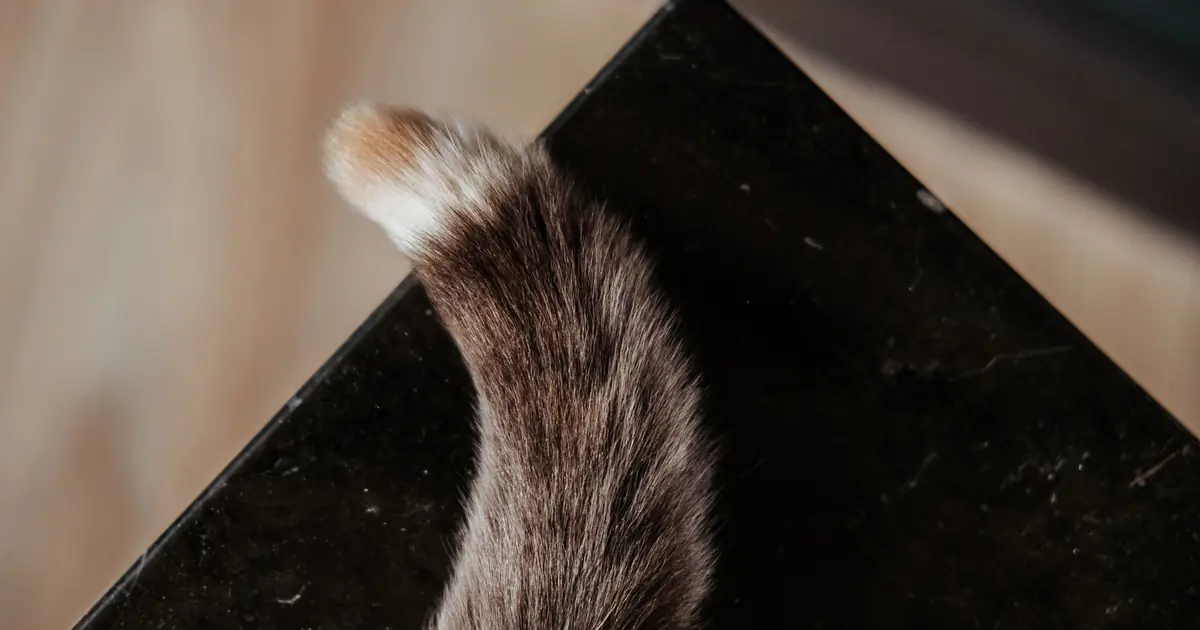
You spot your cat’s tail looking wrong, maybe hanging limp, maybe with a raw patch near the tip, and your brain jumps straight to the worst headline: “cat tails fall off.” It sounds like something that just happens, like a lizard dropping its tail on purpose. It’s a fair thing to wonder at 11pm, when your vet’s office is closed and you’re staring at your cat’s tail trying to decide if you’re overreacting.
Here’s the reassuring part and the serious part, together. Cat tails are tough, and most cats go their whole lives without a single tail problem. But a tail can be lost, and when it happens it’s almost always an accident or an infection that got out of hand, not some natural process. Knowing the real causes helps you catch a problem early.
- Cat tails never fall off on their own. Loss always traces back to injury, infection, frostbite, or lost blood supply.
- A “tail-pull injury” (the tail yanked hard or caught in a door) can tear nerves that control the tail, bladder, and bowel, not just the tail muscles.
- Tail degloving, where the skin is stripped away from the bone, cannot heal on its own and almost always needs surgical amputation.
- Manx cats and other naturally short-tailed or bobtailed breeds are born that way from genetics. Their tails were never full-length and never “fell off.”
- Cats adapt remarkably well after a tail amputation and go on to live full, active, happy lives.
Do Cats’ Tails Fall Off Naturally?
No, a healthy cat’s tail does not fall off by itself. Unlike a lizard’s tail, which is built with a natural breakpoint for self-defense, a cat’s tail is made of 18 to 23 small bones called vertebrae, wrapped in muscle, nerves, and blood vessels, all covered by skin and fur. There’s no built-in mechanism for it to detach. If a tail is lost, something has damaged it badly enough that a vet had to remove what was left, or the tissue died from lack of blood flow.
What Actually Causes a Cat’s Tail to Fall Off or Need Removal?
A cat’s tail is lost when trauma, infection, frostbite, or a cut-off blood supply destroys the tissue beyond repair. These causes often overlap, since an untreated injury can lead to infection, and a severe infection can cut off blood flow on its own. Here’s what shows up most often in vet clinics.
Trauma and Tail-Pull Injuries
A tail-pull injury happens when the tail gets yanked, slammed in a door, or run over, stretching or tearing the nerves at the base of the spine. According to the VCA Animal Hospitals first aid guide for injured tails, this commonly happens when a cat’s tail gets caught as they’re running through a closing door or dashing away from a car. The tail might look fine at first, or hang limp, but the real damage is often to the nerve roots, not just the skin.
Degloving Injuries
Degloving is when the skin and fur are stripped off the tail bone, the way a glove slides off a hand, usually from getting caught in a door hinge or dragged across pavement. Once the skin separates from the bone, that section cannot grow new skin over the exposed bone. Vets typically amputate just above the degloved section, since leaving it open invites constant pain and infection.
Bite Wounds and Infection
A cat bite or scratch from a fight can seed bacteria deep under the skin, and an abscess can form within a day or two. Left untreated, that infection can spread through the tissue and, in severe cases, kill enough of the tail that a vet has to amputate to stop it spreading further up the body.
Frostbite
Frostbite damages the tail when prolonged cold exposure freezes tissue in the extremities. The tail, ears, and paws are hit hardest because they’re farthest from the heart, and the body pulls blood away from them first to protect the core. In the most severe grade, frozen tissue dies completely, and the dead portion needs surgical removal once the true extent of damage is clear.
Loss of Blood Supply (Necrosis)
If an injury crushes or blocks the blood vessels feeding the tail, tissue past that point starts to die from lack of oxygen, a process called necrosis. This can follow a bad fracture, a tight bandage left on too long, or a blood clot. Once tissue has died this way, it will not recover, and a vet has to remove the affected section.
Tail-Tip Injuries
A cut, crush, or repeated chewing at the very tip of the tail can damage just that small end section. These are often more fixable, since a vet can sometimes save the bulk of the tail and only trim back the damaged tip.
What Do Tail-Pull Injuries Do to the Rest of the Body?
A tail-pull injury can damage the nerves that control the tail, bladder, bowel, and anus, not just tail movement. These nerves bundle together near the base of the spine, so a hard yank on the tail can stretch or tear them at the same point. That’s why a cat with a tail-pull injury sometimes can’t urinate or defecate normally afterward, even though the injury looked like “just a tail thing” at first.
The outlook is often better than it sounds. Veterinary research summarized by Veterinary Partner found that most cats who lose bladder control from a tail-pull injury regain voluntary function within about a month, though recovery depends on how severe the nerve damage was. Some cats need their bladder manually expressed during recovery, and a small number with the most severe damage don’t regain full function.
What Are the Signs of a Serious Tail Injury?
A serious tail injury shows up as a limp or dragging tail, visible pain, an open wound, swelling, or sudden trouble using the litter box. Watch for:
- A tail that hangs limp or drags instead of moving normally
- Obvious pain when the tail is touched, or a cat who won’t let you near it
- An open wound, exposed tissue, or skin that looks stripped or raw
- Swelling, discoloration, or a foul smell coming from the tail
- Sudden urinary or fecal incontinence, or straining to use the litter box
- A kink, odd angle, or new looseness in the tail that wasn’t there before
If your cat is showing any of these, especially the litter box changes, don’t wait it out. A cat who suddenly stops using the box or seems to be hiding pain is worth checking on right away. It’s worth reading up on why a cat hides and stops eating, since pain from an injury like this is a common trigger.
Why Do Some Cat Breeds Have Short or No Tails Naturally?
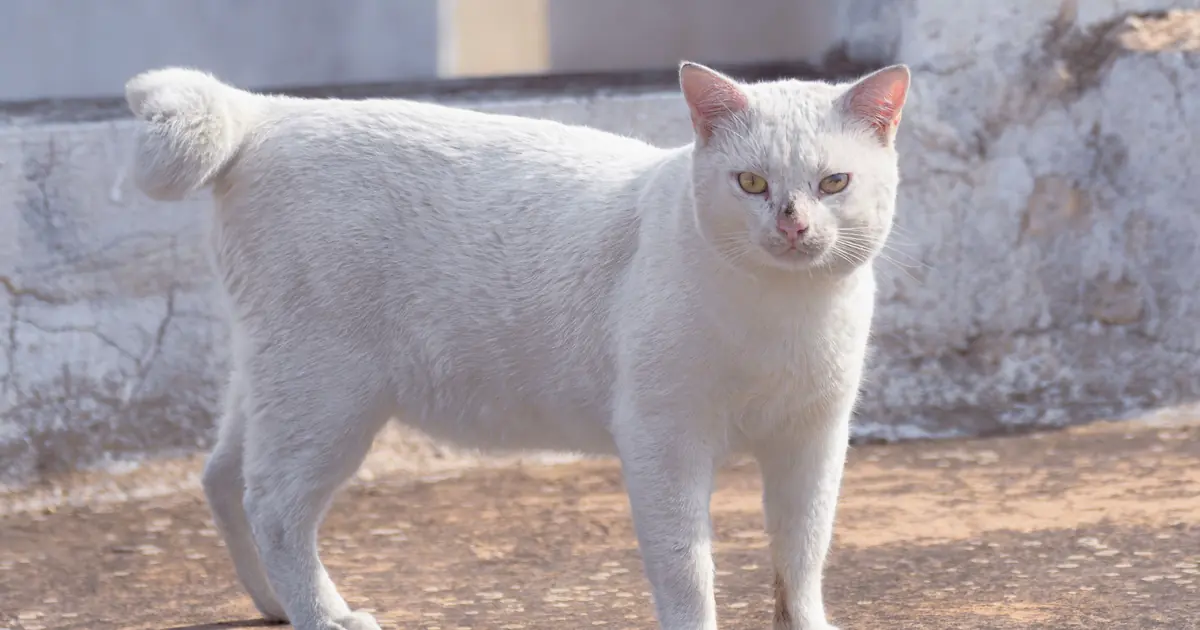
Some cat breeds are born with short or no tails because of genetics, not injury. The Manx cat is the best-known example, carrying a dominant gene that shortens or eliminates the tail vertebrae before birth. Japanese Bobtails, Kurilian Bobtails, and American Bobtails carry different genes that produce a naturally short, kinked tail. None of these cats ever had a full tail that “fell off.” They were born this way, which is a completely different situation from an injury-related tail loss.
One caution: breeding two tailless Manx cats together can cause a fatal condition in kittens called Manx Syndrome, since a double copy of the tailless gene damages the spine and the nerves controlling the bladder and bowel. Reputable breeders avoid this pairing.
| Cause | What Happens | Urgency |
|---|---|---|
| Tail-pull injury (door, car, yank) | Nerve damage to tail, bladder, bowel; tail may go limp | See a vet same day |
| Degloving (skin stripped off bone) | Exposed bone, cannot heal, usually needs amputation | Emergency vet visit |
| Bite wound or abscess | Infection spreads through tissue if untreated | See a vet within 24 hours |
| Frostbite | Tissue freezes and can die in severe cases | Vet visit, urgency depends on severity |
| Loss of blood supply (necrosis) | Tissue dies from cut-off circulation, will not recover | Emergency vet visit |
| Tail-tip injury (cut, crush) | Localized damage, sometimes partly saveable | See a vet promptly |
What Does a Vet Do for a Damaged Cat Tail?
A vet examines the tail for nerve function, infection, and blood flow, then treats infection, cleans wounds, or amputates the damaged section if it can’t heal. The exam usually checks whether your cat can still feel and move the tip of the tail, since that tells the vet how much nerve function survived. X-rays can show fractures or dislocations along the tail bones. If infection is present, your cat may need cleaning, drainage, and vet-prescribed antibiotics. If the tissue is dead or the skin can’t be saved, amputation removes the damaged section, usually leaving a healthy stump.
Cats do remarkably well after a tail amputation. According to PetMD’s overview of cat tail amputation, a cat’s balance may seem slightly off in the first few days after surgery, but most cats adjust quickly and go on to run, jump, and play with no lasting problems. The tail helps with balance, but it isn’t required for a normal, active life.
How Can You Prevent Tail Injuries in Your Cat?
You can lower the risk of tail injuries by watching doors, keeping tabs on your cat’s tail during petting, and getting fast treatment for any wound.
- Check behind you before closing doors, since door-slam injuries are one of the most common causes.
- Keep your cat indoors, or supervised outdoors, to lower the risk of car accidents and fights.
- Look over the tail during regular petting sessions so you catch a wound or swelling early.
- Get any bite, scratch, or open wound seen by a vet quickly, before it turns into an abscess.
- Keep your cat’s tail dry and warm in freezing weather, and limit outdoor time in extreme cold.
Cats communicate a lot through that tail, from the slow question-mark curl to a sharp tail slap against your leg and the quick wag that signals irritation. Knowing how much control your cat actually has over their tail makes it easier to spot when something’s off. In cold climates, it also helps to know how cats handle cold weather in general, since frostbite risk isn’t limited to the tail.
When Should You See a Vet for a Cat Tail Injury?
Any wound, sudden limpness, swelling, or a tail that looks like it’s dying needs a vet visit right away, not a wait-and-see approach. Infection and nerve damage in the tail area can worsen within hours, and the sooner a vet examines the injury, the better the chances of saving as much of the tail as possible and protecting bladder and bowel function. This article is educational and isn’t a substitute for a real exam. If your cat’s tail looks hurt in any way, call your vet or an emergency animal hospital the same day.
Frequently Asked Questions
Q: Can a cat’s tail just fall off on its own?
No. A healthy tail never detaches on its own. Tail loss always comes from an injury, infection, frostbite, or a blood supply problem that a vet has to treat, often with partial amputation.
Q: Can a cat survive without a tail?
Yes. Cats adjust well to life without a tail. Balance may be slightly off for the first few days after amputation surgery, but most cats run, jump, and play normally once they heal.
Q: What is a tail degloving injury?
Degloving is when the skin and fur are stripped away from the tail bone, similar to pulling a glove off a hand. It usually happens from getting caught in a door hinge or dragged on a rough surface, and the exposed bone cannot grow new skin, so a vet typically has to amputate just above the injury.
Q: Can a tail injury cause a cat to lose bladder control?
Yes. A hard tail pull can damage the nerves that control the tail, bladder, and bowel, since they all bundle together near the base of the spine. Many cats regain normal bladder function within about a month, though severe nerve damage can leave lasting incontinence in some cases.
Q: Do Manx cats’ tails fall off?
No. Manx cats are born with a naturally short or absent tail because of a dominant gene that affects spine development before birth. They never had a full tail to begin with, so nothing “fell off.”
Q: How do you know if a cat’s tail injury is an emergency?
Treat it as an emergency if the tail hangs limp, shows an open wound or exposed tissue, smells bad, or if your cat suddenly can’t use the litter box normally. All of these point to nerve damage or infection that needs same-day vet care.
Q: Can frostbite cause a cat to lose part of its tail?
Yes. The tail is one of the body parts most vulnerable to frostbite, since it’s far from the heart and loses blood flow first in extreme cold. In severe cases, frozen tissue dies and the dead section needs surgical removal.
Q: Is it painful for a cat to have its tail amputated?
The surgery itself is done under general anesthesia with pain control, so your cat won’t feel it happen. Vets also manage pain during recovery, and most cats heal within one to two weeks with proper aftercare.

Hello and welcome to The Ideal Cat!
We are some passionate cat owners from different professions. We love our cats and have a lot of experience in how to care for our pets. We are incredibly excited to share our knowledge, experience, and research with you. So you can take good care of your loving cat. We will answer most of the common questions about owning cats, taking care of them, etc. If you have any question contact with us. Thanks for visiting! Enjoy the content.
