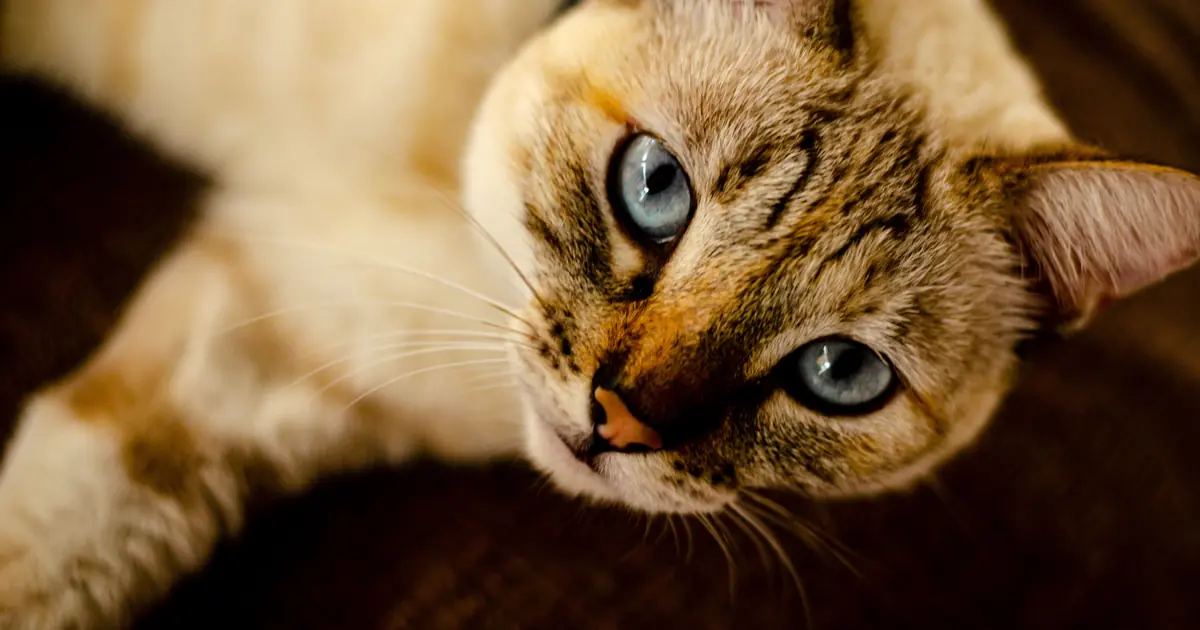
If you’ve ever met a Siamese cat, you know they don’t do quiet. They yell at you from across the house. They plant themselves on your keyboard mid-email. And if you dare ignore them for too long, they let you know about it, loudly. Somewhere along the way, that big personality earned Siamese cats a reputation as the “mean girl” of the cat world.
Here’s the thing: that reputation isn’t really fair. A Siamese cat that seems difficult is almost always a Siamese cat that’s under-stimulated, lonely, or stressed out, not a cat with a cruel streak. Once you understand what’s actually driving the drama, the “mean Siamese” myth falls apart pretty fast.
- Siamese cats are not an inherently aggressive breed; their reputation comes from being unusually vocal, social, and attention-demanding compared to most cats.
- The Siamese breed originated in Siam (modern-day Thailand) and is one of the oldest recognized cat breeds, formally shown since the late 1800s.
- “Mean” behavior in Siamese cats, like yowling, nipping, or swatting, is usually caused by boredom, loneliness, jealousy, or lack of mental stimulation.
- Sudden aggression in a normally sweet Siamese can be a sign of pain or illness and is worth a veterinary visit.
- Disney’s 1955 film Lady and the Tramp, which featured two scheming Siamese characters named Si and Am, helped cement an unfair “sneaky” reputation that still follows the breed today.
Are Siamese Cats Actually Mean, or Is This a Myth?
No, Siamese cats are not mean by nature. What looks like “attitude” is actually a breed that’s more vocal, more social, and more emotionally invested in you than most cats. When a Siamese doesn’t get what it needs, it complains loudly and directly, and that directness is what people read as meanness.
The Siamese is one of the oldest recognized cat breeds, tracing back to Siam (present-day Thailand) and formally exhibited in Europe and the US since the late 1800s. Registries like the Cat Fanciers’ Association describe the breed’s temperament as outgoing, affectionate, and highly people-oriented, not aggressive. A cat that evolved for centuries as a close human companion isn’t wired to be cruel. It’s wired to demand your company.
Pop culture didn’t help either. Disney’s 1955 film Lady and the Tramp featured two scheming Siamese cats, Si and Am, singing about causing chaos in someone’s house. That single cartoon shaped decades of “sneaky, mean Siamese” jokes that have nothing to do with real cats.
Why Do Siamese Cats Seem So Mean or Demanding?
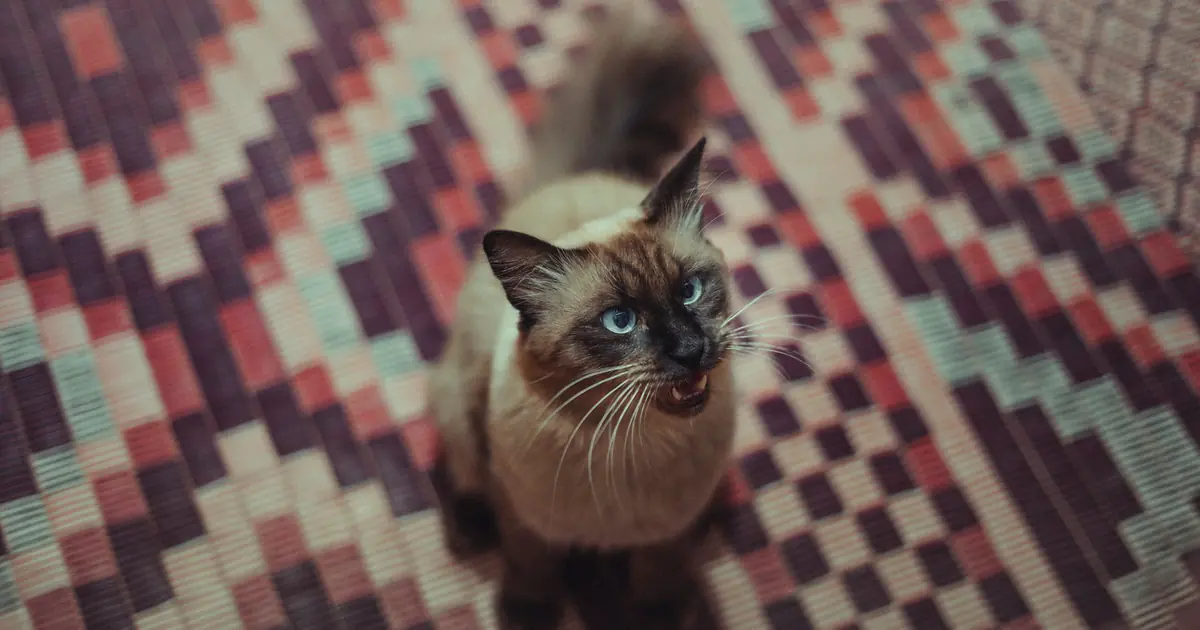
Siamese cats seem mean because they’re unusually loud, clingy, and opinionated compared to other breeds, not because they’re aggressive. A few specific traits drive that impression:
- They are extremely vocal. Siamese cats have a distinctive, raspy voice often called “meezer talk,” and they use it constantly to comment, ask for food, or demand attention.
- They demand attention on their schedule. A Siamese left alone all day often escalates from meowing to knocking things over or pawing at you until you notice.
- They get jealous. Siamese cats bond hard and can turn possessive or standoffish toward a new pet, baby, or partner getting attention instead of them.
- They’re strong-willed. Siamese cats are smart and opinionated, and they’ll push back, sometimes with a nip or a swat, if handled in a way they don’t like.
- They’re sensitive to change. A new home, a moved litter box, or a different feeding schedule stresses a Siamese out more than it would a laid-back breed.
| “Mean” Behavior | The Real Reason | What To Do |
|---|---|---|
| Loud yowling, especially at night | Boredom or loneliness; wants your attention or company | Add an evening play session and consider a second cat as a companion |
| Sudden nipping during petting | Overstimulation, the “too much of a good thing” reflex | Watch for tail flicks or flattened ears and stop petting before the bite |
| Aloof or standoffish spells | Stress from a change in routine or environment | Keep feeding times and daily interactions consistent and predictable |
| Swatting at another pet or person | Jealousy or territorial stress over shared attention | Give each pet separate food, litter, and one-on-one time; reintroduce slowly |
What Is the Real Siamese Cat Temperament Like?
The real Siamese temperament is affectionate, playful, and deeply people-oriented, closer to a dog than a typical aloof cat. Once a Siamese trusts you, it wants to be wherever you are, doing whatever you’re doing.
Owners often call Siamese cats “velcro cats” because they follow their people from room to room, sit on laps for hours, and greet visitors at the door. Many learn to fetch, walk on a harness, and respond to their name, and most form one especially tight bond with a favorite person. Comfortable and attention-fed, a Siamese is chatty, loyal, and playful, not difficult. If you’re weighing whether the breed fits your home, this rundown of whether Siamese cats make good pets covers the day-to-day realities.
What Makes a Siamese Cat Act Out or Become Aggressive?
A Siamese cat acts out mainly when its social and mental needs aren’t being met, not because it’s naturally aggressive. Common triggers include:
- Boredom. Without puzzle toys, play, or climbing space, this intelligent breed’s energy comes out as destructive or attention-seeking behavior.
- Loneliness and separation stress. Siamese cats struggle with long stretches alone more than most, and isolation can trigger excessive meowing or clinginess.
- Jealousy over people or pets. A new baby, partner, or animal can trigger possessive or standoffish behavior if the Siamese feels replaced.
- Not enough stimulation. Frustration from a lack of play or enrichment often shows up as swatting or nipping.
- Pain or illness. Cats hide pain well, and a sudden shift toward aggression is often the first visible sign something hurts.
- Poor socialization. A Siamese not handled gently as a kitten may be more defensive as an adult.
- Being provoked. Rough handling or ignoring warning signs like a flicking tail can push any cat to swat or bite.
International Cat Care notes that most feline aggression traces back to fear, pain, frustration, or a perceived threat rather than genuine hostility, and that holds true for Siamese cats too. If your cat’s aggression seems to come out of nowhere, it’s worth reading about why a cat might suddenly turn aggressive to rule out common causes.
Are Siamese Cats Good With Kids and Other Pets?
Yes, Siamese cats generally do well with kids and other pets when they’re properly socialized and given enough attention. Their social, dog-like nature actually makes them a good match for busy, people-filled households, as long as nobody expects a quiet, hands-off cat.
Siamese cats enjoy interactive play, which makes them fun for kids old enough to handle a cat gently. With other cats or cat-friendly dogs, Siamese usually adjust well too, though a slow, structured introduction matters more here than most breeds, since jealousy can flare up if a new pet suddenly gets attention the Siamese feels entitled to. Watching for early signs of stress in cats during any introduction helps you catch tension before it turns into swatting.
How Do You Raise a Friendly, Well-Adjusted Siamese Cat?
You raise a friendly Siamese by meeting its high need for interaction, play, and routine, not by trying to train the vocal, clingy side out of it. A few things make a real difference:
- Play every day. Two short interactive sessions with a wand toy do more to prevent “bad” behavior than almost anything else.
- Give it company. Siamese cats do best without long hours alone regularly; a second cat or plenty of your own time helps.
- Keep a predictable routine. Consistent feeding times, litter box locations, and daily attention reduce the stress that fuels acting out.
- Use positive reinforcement only. Reward calm, affectionate behavior with treats and praise instead of punishing vocal or pushy moments.
- Never punish meowing or nipping. Yelling or swatting back teaches the cat you’re unpredictable, which makes fear-based aggression worse.
- Watch body language. Learning early warning signs, a flicking tail, flattened ears, dilated pupils, lets you back off before a nip happens.
- Socialize kittens early. Gentle, varied handling in the first few months builds a more confident, easygoing adult cat.
Cats “talk” in more ways than just yowling. If your Siamese has a dramatic vocabulary, it helps to understand why some cats cry like babies and what those sounds mean.
Could Sudden “Mean” Behavior Actually Be Pain or Illness?
Yes, sudden aggression in a normally sweet Siamese can be a red flag for pain or illness, not a personality change. Cats are experts at masking discomfort, so a new habit of hissing, biting, or avoiding touch is often the clearest early clue that something hurts.
Dental pain, arthritis, urinary tract issues, and internal injuries can all make a cat snap at a touch that never used to bother it. The Cornell Feline Health Center notes that a genuine change in temperament, especially sudden aggression, warrants a veterinary exam to rule out a medical cause before assuming it’s behavioral.
This article is educational and isn’t a substitute for veterinary care. If your Siamese suddenly turns aggressive, snaps when touched in a specific spot, or seems withdrawn along with the attitude change, book a vet visit rather than assuming it’s just a mood. And whatever you do, don’t punish the behavior; punishment adds fear on top of pain and usually makes things worse.
Frequently Asked Questions
Q: Are Siamese cats aggressive by nature?
No. Siamese cats are not naturally aggressive; they’re naturally social and vocal. Aggression in this breed almost always traces back to boredom, jealousy, stress, or an underlying medical issue rather than temperament.
Q: Why do Siamese cats bite more than other cats?
Siamese cats don’t necessarily bite more than other breeds, but their strong reactions to overstimulation or frustration are more noticeable because they’re so physically affectionate to begin with. A quick nip usually means “that’s enough,” not genuine hostility.
Q: Do Siamese cats calm down with age?
Many Siamese cats mellow somewhat as they move from kittenhood into adulthood, typically around 2 to 3 years old, though they usually stay chattier and more people-focused than other breeds their whole lives.
Q: Are Siamese cats good for first-time cat owners?
Siamese cats can work well for first-time owners who want an interactive, involved pet and have time for daily play and attention. They’re a poor fit for someone who wants a quiet, low-maintenance, hands-off cat.
Q: Why is my Siamese cat suddenly acting mean?
Sudden meanness in a Siamese is usually triggered by a change, like a new pet, a moved litter box, less attention than usual, or stress. If the change in behavior is abrupt and out of character, rule out pain or illness with a vet visit first.
Q: Do Siamese cats bond with one person only?
Siamese cats often form an especially strong bond with one favorite person in the household, while still being affectionate with everyone else. That single-person attachment can look like jealousy or pickiness to outsiders.
Q: Are Siamese cats aggressive towards other cats?
Siamese cats aren’t inherently aggressive toward other cats, but their strong social bonds can make them jealous or territorial if a new cat threatens their place in the household. A slow, gradual introduction usually prevents conflict.
Q: How do you stop a Siamese cat from being aggressive?
Stop Siamese aggression by identifying the trigger, whether it’s boredom, jealousy, or overstimulation, and addressing that root cause with more play, a steadier routine, and positive reinforcement. Never punish the behavior, and see a vet if the aggression appears suddenly.

Hello and welcome to The Ideal Cat!
We are some passionate cat owners from different professions. We love our cats and have a lot of experience in how to care for our pets. We are incredibly excited to share our knowledge, experience, and research with you. So you can take good care of your loving cat. We will answer most of the common questions about owning cats, taking care of them, etc. If you have any question contact with us. Thanks for visiting! Enjoy the content.
