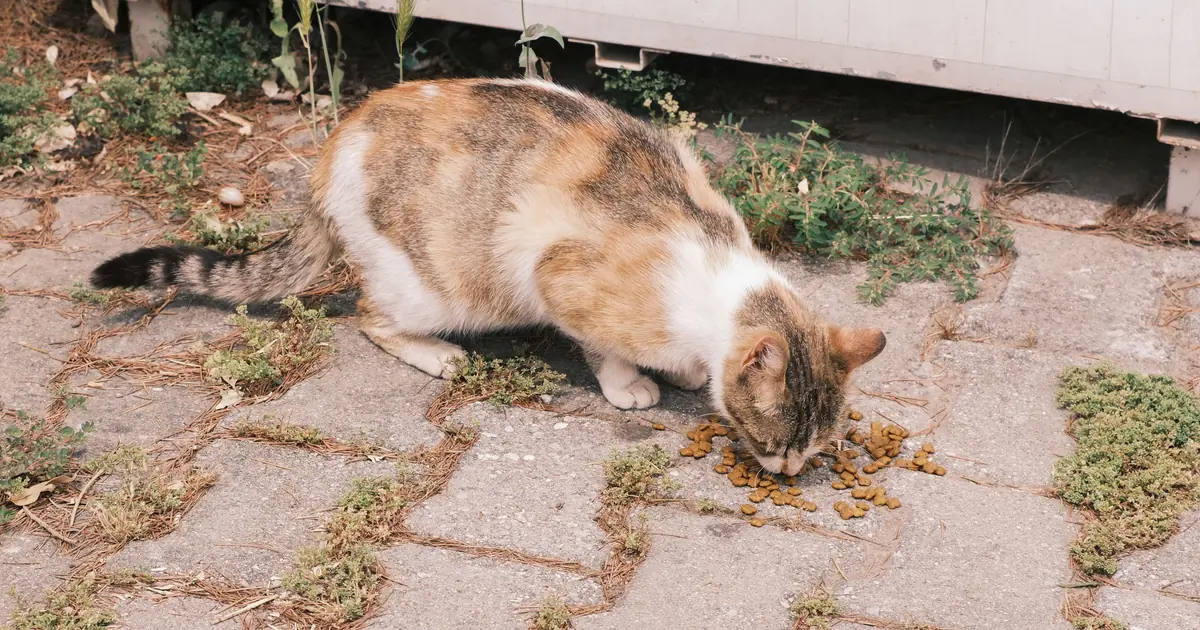
If your new kitten sounds like a tiny, furry noisemaker every time she naps, you’re not imagining it. Kitten farts are a real thing, and they happen more often than adult cat farts do.
Here’s the thing: a kitten’s gut is still under construction. It’s learning new foods, fighting off parasites picked up from mom, and figuring out how to eat without inhaling the whole bowl. Most of the time it’s nothing serious, but a few causes are worth knowing so you catch the ones that need a vet.
- Kittens fart more than adult cats because their digestive systems are still developing and adjusting to new foods.
- Eating or nursing too fast makes kittens swallow air, which is one of the most common causes of kitten gas.
- Intestinal worms, especially roundworms, are extremely common in kittens and often cause gas, a pot-bellied look, and diarrhea.
- Cow’s milk contains lactose that most kittens cannot digest well, which leads to gas, bloating, and loose stool.
- Frequent smelly gas paired with diarrhea, a hard or swollen belly, vomiting, or lethargy is a reason to call the vet right away, since kittens dehydrate fast.
Why Does My Kitten Fart So Much?
Kittens fart more than grown cats mainly because their digestive system is still young and their diet keeps changing. A kitten’s gut is not fully mature until several months of age, so the bacteria and enzymes that break down food are still finding their balance. Add in a new food, a fast eater, or a parasite picked up before you ever met your kitten, and you get gas.
Most kitten farting is harmless and fades as she grows and settles onto one food. But because kittens are small and can get dehydrated or lose weight quickly, gas that comes with other symptoms deserves a closer look, and we’ll cover exactly which signs matter below.
Is My Kitten Eating or Nursing Too Fast?
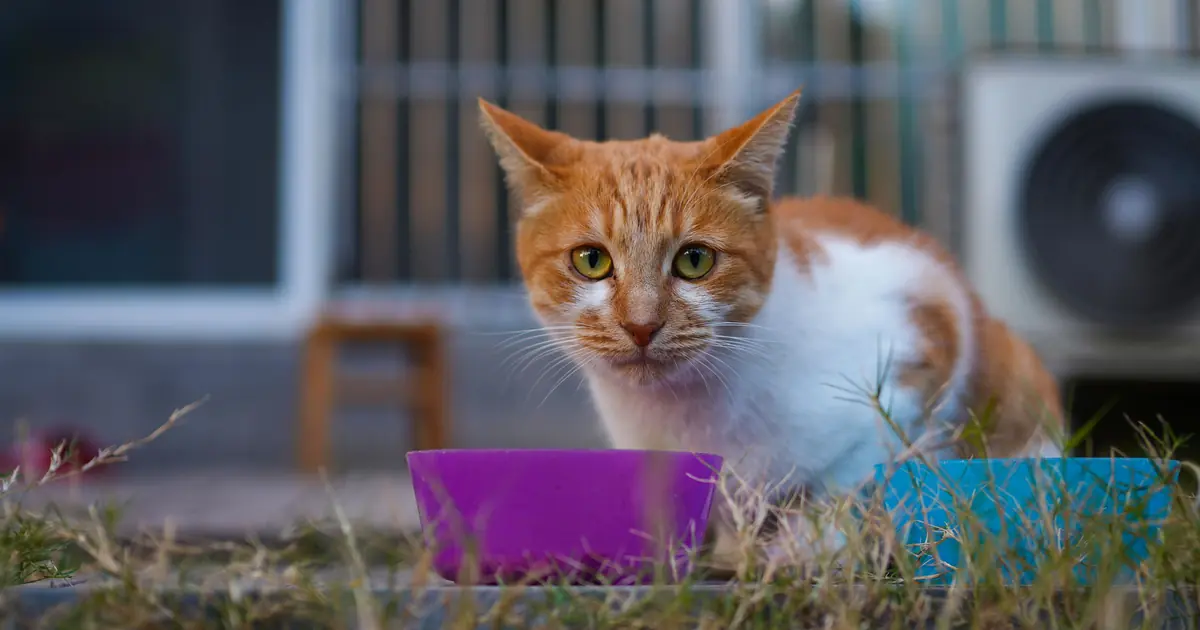
Yes, a kitten who eats or nurses too fast is very likely swallowing extra air, and that air has to come out somewhere. Vets call this aerophagia. Kittens are natural chowhounds, especially in a multi-cat litter where they compete for the same bowl or the same nipple.
Fast eating looks like gulping, barely chewing, and a kitten who inhales her food in under a minute. That gulped air travels through the gut and comes out as gas, sometimes within the hour. Slowing her down (more on how, below) usually fixes it within days.
Does Weaning or a Sudden Food Change Cause Gas in Kittens?
Yes, the switch from mother’s milk to solid food is one of the biggest gas triggers in kitten life, and any sudden food change afterward can do the same thing. Weaning typically starts around 3 to 4 weeks old and is largely finished by about 8 weeks, according to International Cat Care. During that window, a kitten’s gut has to learn to digest an entirely new type of food, and that adjustment period often comes with gas, softer stool, or an upset tummy.
It’s not just weaning either. Swapping brands overnight, moving from wet to dry food too fast, or free-feeding a rich new formula can all upset a kitten’s gut bacteria and cause a few days of noticeably smellier gas. A gradual transition (we’ll get to the ratio below) almost always calms this down.
Can Cow’s Milk Give My Kitten Gas?
Yes, cow’s milk is a common and totally avoidable cause of kitten gas. Most kittens lose much of the enzyme needed to digest lactose (the sugar in milk) soon after weaning, which makes them lactose intolerant to some degree, much like a lot of adult cats. Undigested lactose ferments in the gut, and that fermentation is what produces gas, bloating, and diarrhea.
The safest rule: never give a kitten cow’s milk, and skip flavored cat milk drinks too unless your vet says otherwise. Curious why cats seem to love it anyway? Our guide on why cats like milk so much explains the appeal and why it still isn’t good for them. Fresh water is what a kitten actually needs, as covered in our piece on how much water kittens should be drinking. Hand-raising an orphan? Use a proper kitten milk replacer, never dairy milk, and human breast milk isn’t a safe substitute either, as we explain in our article on kittens and human breast milk.
Could Worms Be Causing My Kitten’s Farting?
Yes, intestinal worms are one of the single most common causes of gas in kittens, more so than in adult cats. Roundworms in particular are extremely common in young kittens, since they can be passed from a mother cat to her kittens before birth or through nursing. Other parasites like hookworms and tapeworms can show up too, especially in kittens that have been around fleas or spent time outdoors.
Along with gas, worm infestations often cause a pot-bellied look, diarrhea, poor weight gain despite a good appetite, a dull coat, and sometimes visible worms or rice-like segments in the stool. The ASPCA notes that nursing kittens can pick up roundworms directly from an infected mother’s milk, and that hookworms can cause life-threatening anemia especially in kittens, which is exactly why vets recommend deworming on a set schedule starting at just a few weeks old. Not sure of your kitten’s history? Our guide on whether kittens are born with worms walks through how common this really is.
How Can I Reduce My Kitten’s Gas?
You can cut down on kitten gas with a few simple habits: slow down mealtime, change food gradually, and stay current on vet-scheduled deworming. None of this requires anything fancy, just consistency.
- Slow down fast eaters. Use a shallow slow-feeder bowl or spread kibble out on a flat plate so she can’t gulp handfuls at once.
- Separate kittens at mealtime if you have more than one, so nobody is racing to finish first.
- Transition foods gradually. Mix a little new food into the old over 7 to 10 days, gradually shifting the ratio, instead of swapping cold turkey.
- Choose a kitten-formulated food that matches her age and is easy to digest, rather than adult food or table scraps.
- Skip cow’s milk and rich treats entirely, and keep fresh water available instead.
- Stay on your vet’s deworming schedule. Kittens typically need repeat deworming treatments every few weeks in their first months, since a single dose rarely clears every stage of a parasite’s life cycle.
- Keep meals consistent. Sudden diet changes, even to a “better” food, can stir up gas if done too fast.
When Is Kitten Gas an Emergency?
Kitten gas becomes an emergency when it’s paired with diarrhea, a hard or swollen belly, vomiting, not eating, weight loss, or lethargy. Kittens are small, and they can dehydrate or crash far faster than an adult cat. Don’t wait it out if you see these signs together.
A little gas in an otherwise playful, eating, normally-pottying kitten usually isn’t urgent. But frequent foul-smelling gas with any of those red flags is your cue to call the vet the same day, not wait it out. The Cornell Feline Health Center notes that kittens showing signs of dehydration or persistent diarrhea need prompt veterinary attention, since their small size leaves very little margin for error. If loose stool is part of the picture, our guide on cat diarrhea causes and when to worry covers what vets look for next.
| Possible Cause | What You Might Notice | What To Do |
|---|---|---|
| Eating or nursing too fast | Gulping food, gas soon after meals, occasional burping | Use a slow-feeder bowl; separate kittens at mealtime |
| Weaning or diet change | Gas and softer stool during the switch to solid food | Transition food gradually over 7 to 10 days |
| Cow’s milk or lactose | Gas, bloating, diarrhea after drinking milk | Stop cow’s milk entirely; offer only water or kitten formula |
| Intestinal worms | Pot-bellied look, diarrhea, poor weight gain, visible worms in stool | See your vet for a fecal check and a deworming schedule |
| Diarrhea, bloated belly, or lethargy present | Any of the above plus vomiting, no appetite, or weakness | Contact your vet the same day; kittens dehydrate quickly |
This article is meant to help you understand what’s normal and what isn’t, not to replace a vet visit. Kittens are fragile in a way adult cats aren’t, and things like dehydration and weight loss can move fast in a body that small. If your kitten’s gas comes with diarrhea, a swollen or painful belly, vomiting, or lethargy, please call your vet rather than waiting to see if it passes. And keep deworming on the schedule your vet recommends, since kitten parasites usually need more than one treatment to fully clear.
Curious whether this changes once your kitten grows up? It doesn’t disappear entirely. Take a look at our guide on why adult cats fart so much for how gas causes shift once your cat is past the kitten stage.
Frequently Asked Questions
Q: Is it normal for kittens to fart a lot?
Yes, occasional gas is normal in kittens because their digestive systems are still developing. It usually settles down as they grow and get used to one steady food, typically by around 6 months old.
Q: Can worms cause my kitten to fart?
Yes, intestinal worms like roundworms are extremely common in kittens and often cause gas along with a bloated belly and diarrhea. A vet fecal test confirms which parasite is present and what deworming treatment your kitten needs.
Q: Should I give my kitten milk if she seems gassy?
No, cow’s milk is not recommended for kittens and can make gas worse. Most kittens lose the ability to digest lactose well after weaning, so milk often triggers gas, bloating, and diarrhea instead of helping.
Q: How do I know if my kitten’s farting is from eating too fast?
Watch her at mealtime. If she gulps food in under a minute with barely any chewing, and the gas shows up soon after, aerophagia (swallowed air) is likely the cause. A slow-feeder bowl usually improves this within a few days.
Q: When should I take my gassy kitten to the vet?
See a vet promptly if gas comes with diarrhea, a hard or swollen belly, vomiting, not eating, weight loss, or lethargy. Kittens dehydrate much faster than adult cats, so these combined symptoms need same-day attention, not a wait-and-see approach.
Q: At what age do kittens stop farting so much?
Most kittens settle down gas-wise by around 5 to 6 months old, once weaning is long finished, worms have been treated, and they’re eating one consistent food. Some individual gassiness can still happen, similar to adult cats.
Q: Can switching my kitten’s food cause gas?
Yes, any sudden food change can upset a kitten’s gut bacteria and cause temporary gas or loose stool. Mixing the new food in gradually over 7 to 10 days instead of switching overnight usually prevents this.
Q: Do all kittens have worms?
Not all, but worms are extremely common in kittens, especially roundworms passed from the mother before birth or through nursing. That’s why vets recommend a fecal exam and a deworming schedule starting in the first weeks of life, whether or not you’ve noticed symptoms yet.

Hello and welcome to The Ideal Cat!
We are some passionate cat owners from different professions. We love our cats and have a lot of experience in how to care for our pets. We are incredibly excited to share our knowledge, experience, and research with you. So you can take good care of your loving cat. We will answer most of the common questions about owning cats, taking care of them, etc. If you have any question contact with us. Thanks for visiting! Enjoy the content.
