
You’ve seen the videos: cats blissfully “making biscuits” on a soft blanket. But your cat? Never. Not once. And now you’re wondering if they missed a memo, or if something’s wrong.
Relax, a cat that doesn’t knead is perfectly normal. Here’s why some cats skip this quirky behavior entirely.
- Not all cats knead; it’s a normal instinct, not something every cat must do.
- Personality is the biggest factor, some cats are simply less “kneady” than others.
- Kneading is a leftover kitten behavior, so weaning history can influence whether a cat keeps it.
- Sore paws, arthritis, or being declawed can make a cat avoid kneading.
- Non-kneading cats show love in other ways, purring, head-butts, slow blinks, and following you around.
Is it normal for a cat not to knead?
Yes, it’s entirely normal for a cat not to knead. Kneading is an instinctive comfort behavior, but instincts vary in strength from cat to cat, and expressing them isn’t mandatory. Some cats knead constantly, some occasionally, and some never, and all of those are healthy. A non-kneading cat isn’t broken or unhappy; they just express contentment differently.
Why do some cats knead and others don’t?
Kneading traces back to kittenhood, when nursing kittens push against their mother to stimulate milk. Many cats carry the behavior into adulthood as a comfort ritual, but not all do. Individual personality is the main reason for the difference, some cats simply retain the habit more strongly than others. To understand the behavior itself, see our guide on why cats knead.
Could weaning history be the reason?
Possibly. Because kneading is rooted in nursing, a cat’s early experience can shape it. Kittens weaned very early or hand-raised sometimes knead more (self-soothing), while others simply don’t develop a strong kneading habit. There’s no strict rule here, weaning is one influence among several, and its absence isn’t a sign of a problem.
Can sore paws stop a cat from kneading?
Yes, and this is the one worth watching. If a cat that used to knead suddenly stops, discomfort could be the cause. Arthritis, paw injuries, overgrown nails, or being declawed can make pressing and flexing the paws painful, so the cat avoids it. A sudden stop paired with limping, reluctance to jump, or sensitive paws is worth a vet visit.
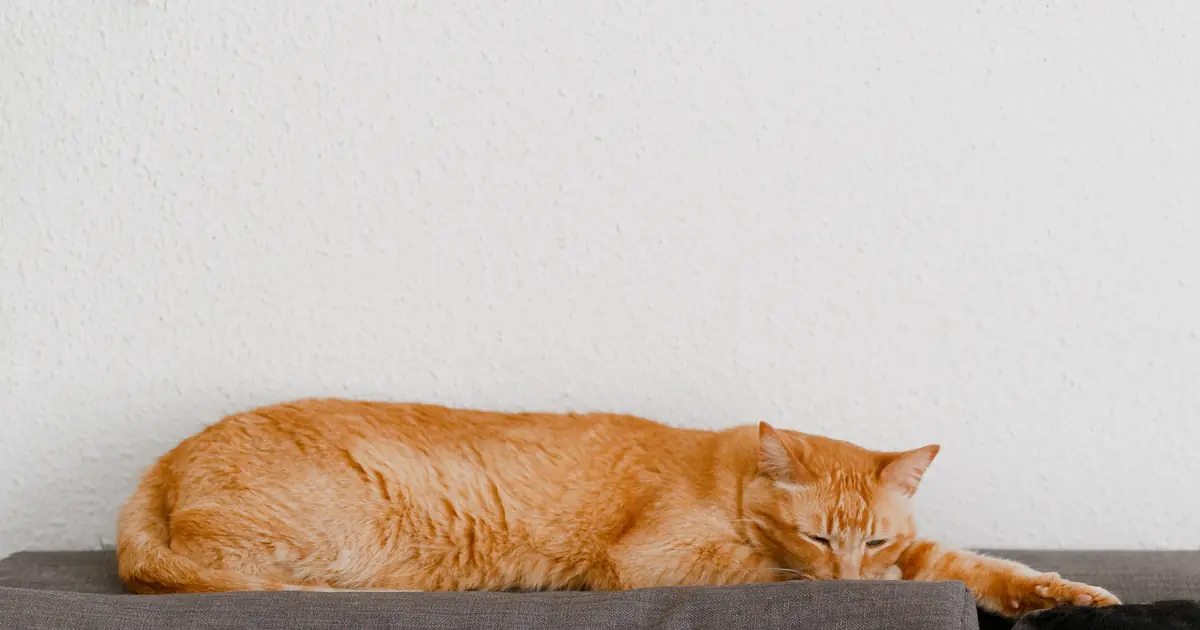
How do non-kneading cats show affection?
Cats have a whole vocabulary of love beyond kneading. A slow blink or a head-butt says just as much as making biscuits. If your cat doesn’t knead, look for these signs of a happy, bonded cat instead.
| Affection sign | What it means |
|---|---|
| Slow blinking | Trust and comfort, a “cat kiss” |
| Head-butting / cheek rubbing | Marking you as family with scent |
| Purring near you | Contentment and closeness |
| Following you around | Wanting to be with you |
| Sleeping on or near you | Deep trust; you make them feel safe |
When should you see a vet?
You don’t need a vet for a lifelong non-kneader, but do book a visit if your cat suddenly stops kneading and shows signs of pain, limping, sensitive paws, reluctance to jump, or general stiffness. Those can point to arthritis or a paw problem. This article is educational and not a substitute for veterinary advice. International Cat Care’s behavior resources and the ASPCA are good references for normal versus concerning changes.
Frequently Asked Questions
Q: Is something wrong if my cat never kneads?
No. Many perfectly healthy, happy cats never knead. It’s an optional instinct, not a health marker. As long as your cat is eating, playing, and showing affection in other ways, there’s nothing to fix.
Q: Do all cats knead?
No. Kneading varies widely, some cats do it constantly, others rarely or never. Personality is the biggest factor, so a non-kneading cat is simply one whose instinct is expressed less strongly.
Q: My cat used to knead and stopped. Why?
A sudden stop can be behavioral, but it can also mean paw discomfort from arthritis, an injury, overgrown nails, or being declawed. If it’s paired with pain signs, see your vet to rule out a problem.
Q: Does not kneading mean my cat isn’t happy?
Not at all. Cats show contentment in many ways, purring, slow blinks, head-butts, and staying close. A cat can be deeply happy and bonded without ever kneading.
Q: Can declawed cats knead?
Some can, but declawing can cause lasting paw sensitivity or discomfort that makes kneading less comfortable, so declawed cats may knead less or not at all.
Q: How can I encourage my cat to knead?
You can offer a soft, cozy blanket and calm lap time, which sometimes invites kneading, but you can’t force an instinct. If your cat simply isn’t a kneader, that’s their normal, and it’s fine.

Hello and welcome to The Ideal Cat!
We are some passionate cat owners from different professions. We love our cats and have a lot of experience in how to care for our pets. We are incredibly excited to share our knowledge, experience, and research with you. So you can take good care of your loving cat. We will answer most of the common questions about owning cats, taking care of them, etc. If you have any question contact with us. Thanks for visiting! Enjoy the content.
