Picture this. Your cat crouches low to the floor, neck stretched out, shoulders hunched, and starts making that dry, hacking sound. You wait for the hairball. Nothing comes up. Then it happens again the next day. Here’s the thing a lot of cat parents miss: that “trying to cough up a hairball” posture is often not a hairball at all. It’s one of the most common signs of feline asthma.
If you’ve just heard the word “asthma” from your vet, take a breath. Cat asthma is a chronic disease, but it’s very manageable. Plenty of asthmatic cats live long, happy, normal lives once the right treatment is in place. Let’s walk through exactly how it’s treated, what you can do at home, and the warning signs that mean you need a vet right now.
This article is educational and isn’t a substitute for veterinary care. Feline asthma is a serious, lifelong condition, and every treatment plan should be directed by your own licensed veterinarian.
What is feline asthma, exactly?
Feline asthma is a chronic inflammatory disease of the lower airways, where a cat’s immune system overreacts to something it breathes in. That overreaction causes the small airways in the lungs to swell, fill with mucus, and tighten up. The result is coughing, wheezing, and trouble moving air, a lot like asthma in people.
It’s more common than most cat parents realize. According to the Cornell Feline Health Center, roughly 800,000 cats in the U.S., about 1 percent, live with asthma, and it’s the most commonly diagnosed respiratory disorder in cats. It often shows up in young to middle-aged cats, and Siamese cats are often said to be more prone, though Cornell notes that hasn’t been shown in large studies. What Cornell does say is that cats who spend time outdoors are more likely to have asthma than indoor-only cats.
What are the signs of asthma in cats?
The signs of cat asthma center on the lower airways: coughing, wheezing, a hunched coughing posture, and labored breathing. Many cats have mild, occasional flare-ups, while others have severe attacks that come on fast.
Watch for these:
- The hunched cough: your cat crouches low, extends the neck forward, and hacks like something is stuck, but nothing comes up. This is the sign most often mistaken for a hairball your cat can’t bring up.
- Wheezing: a whistling or raspy sound, usually as your cat breathes out.
- Rapid or shallow breathing even at rest.
- Increased effort to breathe: you may see the belly and chest heaving more than usual.
- Open-mouth breathing or panting: cats almost never pant like dogs, so this is a red flag (more on that below).
Asthma symptoms can look a lot like other problems, from respiratory infections to a cat that won’t stop sneezing. That’s why a proper vet diagnosis matters before starting any treatment.
How do vets diagnose cat asthma?
Vets diagnose feline asthma by ruling other things out, since there’s no single test that confirms it. Your vet builds the picture from a physical exam, chest X-rays, and lab work that points away from other causes of coughing and hard breathing.
Here’s what usually happens:
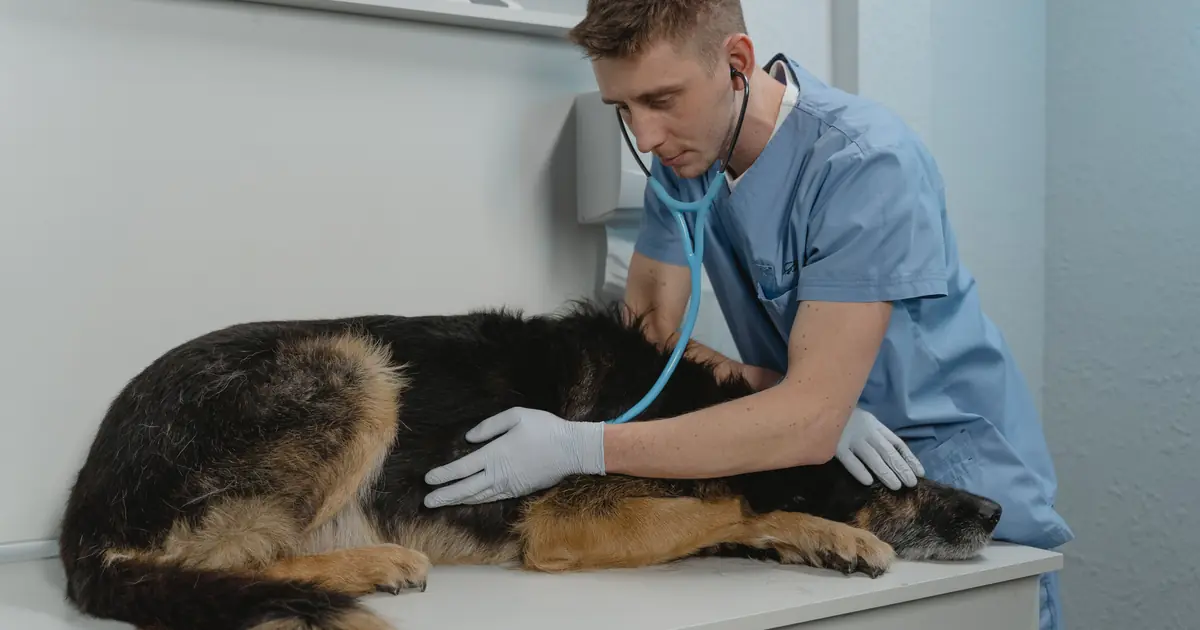
- Physical exam: your vet listens to the chest and airways with a stethoscope for wheezes or crackles.
- Chest X-rays: asthmatic lungs often show a “bright” branching pattern and air trapping, where the lungs look overinflated.
- Bloodwork: some cats show a rise in a white blood cell called an eosinophil, which links to allergic inflammation.
- Fecal tests: these help rule out lungworm, a parasite that mimics asthma. If parasites are found, your vet may recommend treating the parasite instead.
- Airway sampling: in some cases a vet flushes and collects fluid from the airways to check the cells under a microscope.
The goal is to separate asthma from infections, heart disease, and parasites, because each of those needs a very different plan. According to PetMD, this exclusion-based workup is standard practice for feline asthma.
What is the main treatment for cat asthma?
The main treatment for cat asthma is a combination of two vet-prescribed medicines: corticosteroids to reduce airway inflammation and bronchodilators to relax and open the airways. Most vets aim to deliver these through an inhaler and a cat-sized spacer, because that sends the medicine straight to the lungs with fewer side effects. The Cornell Feline Health Center says treatment most commonly pairs a corticosteroid with a bronchodilator, and names an inhaler as the ideal way to give them.
Think of it this way. Corticosteroids are the daily maintenance that keeps inflammation from building up. Bronchodilators are the quick relief that pops the airways open when your cat is struggling. Many cats need both, used in different ways.
| Treatment type | What it does | How it’s given |
|---|---|---|
| Inhaled corticosteroid (e.g. fluticasone) | Calms and prevents airway inflammation over the long term | Metered-dose inhaler with a cat spacer chamber and face mask (like the AeroKat), usually daily |
| Oral or injectable corticosteroid | Reduces inflammation body-wide; used when inhalers aren’t an option or a cat needs fast control | Pills or a vet-given injection, dosed and tapered by your vet |
| Inhaled bronchodilator (e.g. albuterol/salbutamol) | Relaxes tight airway muscles to open the airways during a flare-up | Metered-dose inhaler with a cat spacer, used as a rescue during attacks |
| Emergency oxygen and injectable meds | Stabilizes a cat in respiratory distress | Given at a vet clinic or ER during a severe attack |
One thing I want to be clear about: I’m not going to list doses here, and you shouldn’t guess at them. Steroids and bronchodilators are powerful, and the right amount depends on your cat’s weight, severity, and other health issues. Your vet sets the doses and adjusts them over time. Never give your cat a human inhaler or leftover medication without vet guidance.
Why do vets prefer inhalers over pills?
Vets often prefer inhalers because they deliver medicine right where it’s needed, the lungs, and spare the rest of the body. Long-term oral steroids can raise the risk of side effects like diabetes and other issues in cats, so inhaled therapy is a gentler way to manage a lifelong disease. The VCA notes that inhaled medications, delivered through an aerosol chamber made for cats, are a mainstay of managing feline asthma and bronchitis.
Here’s the honest part: teaching a cat to accept a mask takes patience. Most cats come around with short, calm sessions and a treat afterward. Give it a couple of weeks before you decide it won’t work.
How can I reduce asthma triggers at home?
Reducing triggers at home means cutting the airborne irritants your cat breathes every day, which lowers how often flare-ups happen. Trigger control won’t replace medication, but it makes the medication work better and can mean fewer attacks.
| Common trigger | How to reduce it |
|---|---|
| Dusty litter | Switch to a low-dust or dust-free cat litter and skip heavily scented types |
| Cigarette and fireplace smoke | Never smoke indoors; keep your cat away from wood smoke and vaping |
| Aerosols and sprays | Avoid air fresheners, hairspray, and spray cleaners near your cat |
| Scented products and candles | Go fragrance-free with plug-ins, candles, and cleaning products |
| Dust, pollen, and mold | Run a HEPA air purifier, vacuum often, and change HVAC filters |
| Extra weight | Keep your cat at a healthy weight, since extra body fat makes breathing harder |
Honestly, the scented litter swap is the one I’d make first. A cat with asthma is standing right over that box, breathing in whatever floats up.
What does a cat asthma attack look like, and what should I do?
A cat asthma attack looks like sudden, serious trouble breathing: open-mouth breathing, panting, gasping, wheezing, and a hunched body with the neck stretched out. Severe attacks can starve the body of oxygen and turn the gums or tongue blue or gray. This is a life-threatening emergency.
If you see any of these, get to an emergency vet right now:
- Open-mouth breathing or panting
- Gasping, or breathing that looks like hard work with every breath
- Blue, gray, or pale gums, lips, or tongue
- Collapse, weakness, or unresponsiveness
What to do in the moment: stay calm, because your stress feeds your cat’s stress. Move your cat to a quiet, cool, well-ventilated spot. If your vet has prescribed a rescue bronchodilator inhaler and shown you how to use it, use it as instructed. Then get to a vet or emergency clinic immediately. Don’t wait to “see if it passes.” Don’t dose a human inhaler on your own. Minutes matter during a bad attack.
How much does cat asthma treatment cost?
Cat asthma treatment costs vary, but expect two parts: the upfront diagnosis and the ongoing monthly medication. Diagnosis, including exams and chest X-rays, often runs a few hundred dollars, while the monthly cost of an inhaled steroid varies a lot by drug, pharmacy, and whether a generic is available. Prices depend heavily on where you live and your cat’s needs, so treat these as ballparks, not quotes.
- Diagnosis (exam, X-rays, lab work): commonly a few hundred dollars.
- Cat spacer chamber (AeroKat or similar): a one-time purchase that lasts with care.
- Monthly medication: varies widely, so ask your vet about generic options and compare pharmacy prices.
- Emergency visit for a severe attack: can run several hundred to a couple thousand dollars or more.
The good news is that steady, low-cost maintenance care usually prevents the expensive emergencies. Pet insurance taken out before diagnosis can also help with the ongoing costs.
What’s the long-term outlook for a cat with asthma?
The long-term outlook for a cat with asthma is genuinely good with consistent treatment. There’s no cure, but asthma is a manageable chronic disease, and most well-treated cats live full, normal lives. The key word is consistent. Skipping the daily steroid because your cat “seems fine” is how flare-ups sneak back.
Plan on regular vet rechecks so the dose can be fine-tuned over time. Keep a simple log of coughing episodes at home, since that tells your vet whether the plan is working. With good trigger control and steady medication, many asthmatic cats go long stretches without a serious attack.
Cat asthma questions
Q: Can I treat my cat’s asthma without steroids?
Steroids are the backbone of asthma treatment because they control the underlying inflammation, so most cats need them in some form. Trigger reduction, weight control, and a HEPA air purifier help, but they don’t replace medication. Talk to your vet before changing or stopping any asthma treatment.
Q: Do air purifiers help cats with asthma?
Air purifiers can help by lowering airborne triggers like dust, pollen, and mold that irritate the airways. A HEPA-grade purifier is the type to look for. It’s a helpful add-on to medication and trigger control, not a stand-alone treatment.

Hello and welcome to The Ideal Cat!
We are some passionate cat owners from different professions. We love our cats and have a lot of experience in how to care for our pets. We are incredibly excited to share our knowledge, experience, and research with you. So you can take good care of your loving cat. We will answer most of the common questions about owning cats, taking care of them, etc. If you have any question contact with us. Thanks for visiting! Enjoy the content.
