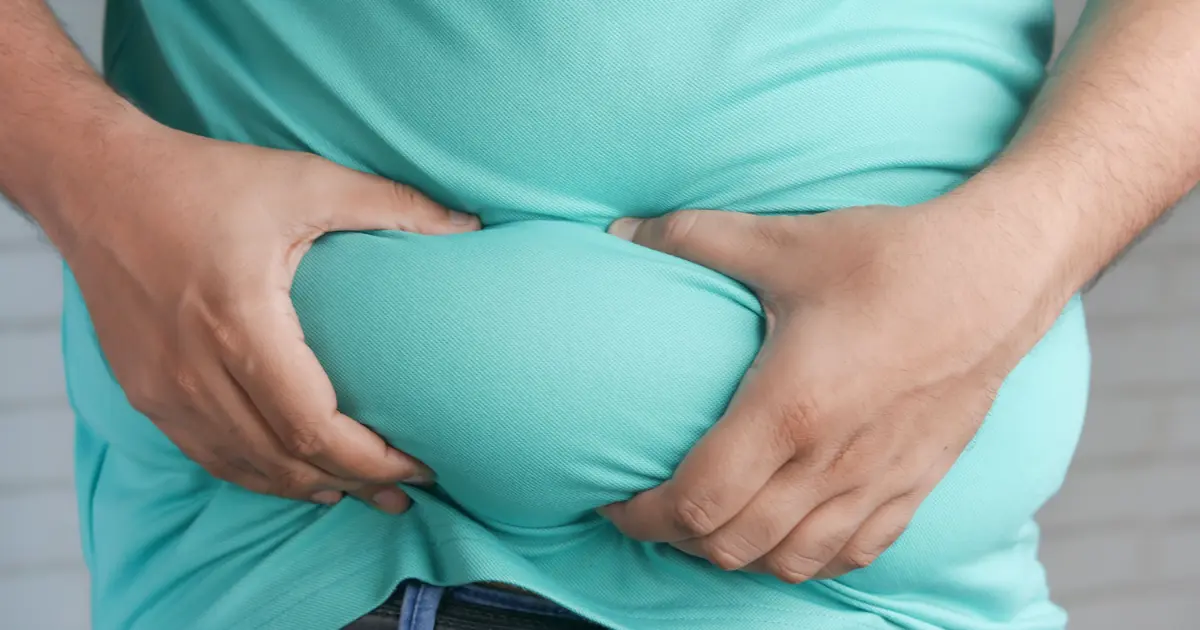
Picture a cat lounging by a full bowl, grazing whenever the mood strikes, then sleeping off the calories for sixteen hours. That’s not laziness. That’s a recipe for weight gain, and it’s playing out in millions of homes right now.
If your cat has gone from svelte to round, you’re far from alone. Cat weight gain almost always comes down to a handful of everyday habits, not some mystery. Here’s how it happens, what’s driving it in your house, and what actually works to turn it around.
- An estimated 50 to 60 percent of U.S. cats are overweight or obese, according to surveys from the Association for Pet Obesity Prevention (APOP).
- Cats gain weight when they take in more calories than they burn off, most often from free-feeding, treats, and low activity.
- Spaying or neutering can lower a cat’s calorie needs by roughly 20 to 30 percent, which is why weight gain often starts within the first year after the procedure.
- You should be able to feel your cat’s ribs under a thin layer of fat without pressing hard. If you can’t, your cat is likely overweight.
- Rapid weight loss in an overweight cat can trigger hepatic lipidosis, a serious and potentially fatal liver condition, so weight loss always needs to happen slowly and under a vet’s guidance.
How Do Cats Actually Get Fat?
Cats get fat the same way any animal does: the body takes in more energy than it burns, and it stores the extra as fat. Every bowl of food, every treat, and every lick of table scrap adds calories, while naps burn almost none. Indoor cats especially can go a whole day without using much energy at all, which is why some owners add a cat wheel to give them somewhere to run.
This imbalance adds up fast in a small body. Just 20 to 30 extra calories a day, roughly one small handful of kibble, is enough to pack on noticeable weight over a few months. That’s why cat weight gain often creeps up quietly until a vet visit flags it. According to APOP’s annual clinical surveys, more than half of cats seen by U.S. vets are now overweight or obese, making it one of the most common health problems cats face today.
What Are the Main Causes of Weight Gain in Cats?
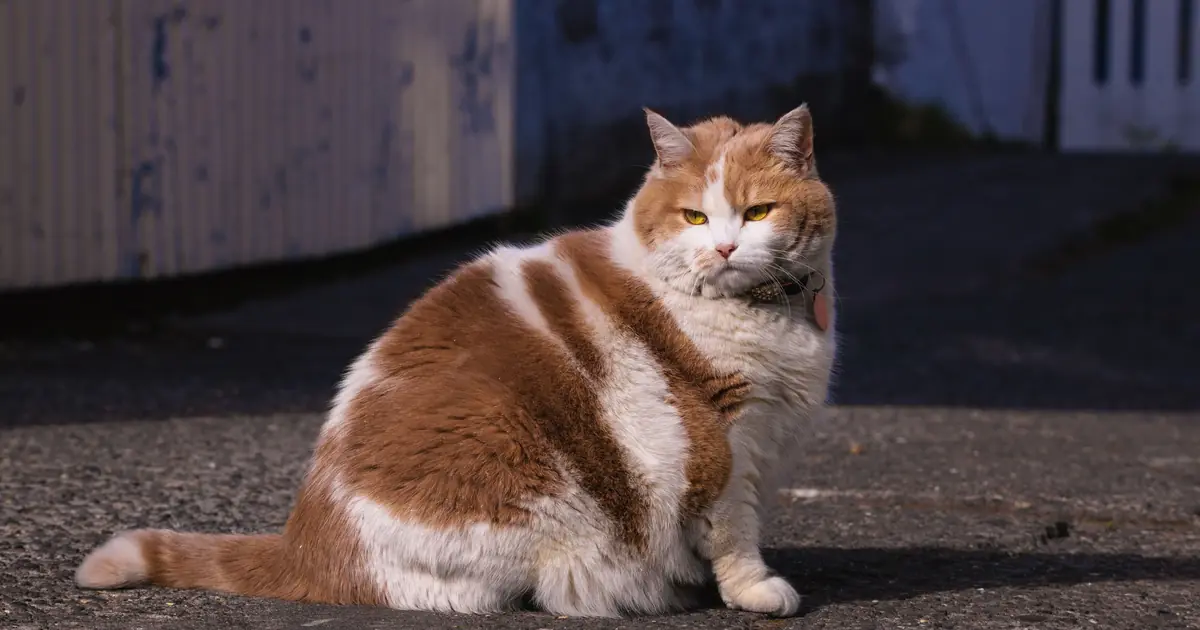
Most feline weight gain comes down to a mix of overfeeding and under-moving, not one single cause. These habits show up again and again in overweight cats:
- Free-feeding: a bowl that’s always full sounds convenient, but most cats graze far past what they need, especially bored indoor cats. Boredom is the other half of the problem, and a cat wheel gives a restless indoor cat somewhere to put the energy.
- Too many treats and table scraps: a few treats a day can quietly account for a huge share of a small cat’s calories, and human food often carries fat and salt cats don’t need.
- High-calorie or all-dry diets: dry kibble is calorie-dense and low in moisture compared to wet food, so it’s easy to overfeed without realizing it.
- Too little exercise: indoor cats with no climbing, chasing, or hunting-style play burn very few calories in a day. If you’ve wondered whether cats actually need exercise, the honest answer is yes, and most indoor cats don’t get enough.
- Boredom eating: a cat with nothing to do will often head to the bowl out of habit rather than real hunger.
- Multi-cat food competition: a faster or pushier eater can clean out a shared bowl, or finish its own portion and move on to another cat’s leftovers.
If your cat also seems to beg constantly, it’s worth reading about why some cats always act hungry, since that behavior often drives owners straight into overfeeding.
How Do Neutering and Age Affect Cat Weight Gain?
Spaying or neutering lowers a cat’s daily calorie needs by roughly 20 to 30 percent, which is a big reason weight gain often starts in the first year after surgery. The procedure reduces sex hormones that normally rev up metabolism and activity, so a cat eating the same amount as before ends up taking in more energy than it burns.
Age plays a similar role. Cats naturally slow down as they get older, and seniors move less and carry less muscle, which lowers the calories they burn at rest. A feeding routine that worked fine for a lively two-year-old can easily be too much for that same cat at eight or nine, so portions should get reassessed at every life stage.
How Can You Tell If Your Cat Is Overweight?
The simplest home check is the rib test: run your hands gently along your cat’s sides. You should feel the ribs easily under a thin layer of fat, without pressing hard. If you can’t feel ribs at all, or your cat has a round, ball-like belly with no waist from above, that’s a strong sign of excess weight.
Vets use a 9-point body condition score (BCS) to grade this precisely, with 4 to 5 considered ideal, 6 to 7 overweight, and 8 to 9 obese. Don’t confuse this with the primordial pouch, that loose flap of skin and fur under a cat’s belly even at a healthy weight. Nearly every cat has one, and it’s normal anatomy, not fat. A primordial pouch is loose and swings when your cat runs, while excess fat feels dense and shows up across the whole body, not just the lower belly.
Some cats are simply built bigger through breed and bone structure rather than fat. Our guide on why some cats are just big cats walks through that distinction. And if your concern runs the opposite direction, our piece on safely helping an underweight cat gain weight covers that separate situation.
What Health Risks Come With Feline Obesity?
Feline obesity raises the risk of several serious health problems, not just a less agile cat. Extra weight puts overweight cats at much higher risk of type 2 diabetes, since fat tissue interferes with how well the body responds to insulin. It also stresses joints, contributing to arthritis and reduced mobility, and strains the heart and lungs during activity.
Overweight cats are also more prone to urinary tract problems and are more likely to develop hepatic lipidosis, a dangerous fatty liver disease, if they stop eating for even a day or two during stress, illness, or a sudden diet change. Research summarized by the Cornell Feline Health Center also links obesity to a shorter lifespan overall. A little extra padding really isn’t just cosmetic, it’s a real medical risk.
How Can You Prevent or Reverse Weight Gain in Cats?
You can prevent and even reverse most feline weight gain with measured meals, less snacking, and more daily movement, ideally with your vet checking progress along the way:
- Measure every meal with a cup or kitchen scale instead of eyeballing it.
- Feed scheduled meals two or three times a day instead of leaving food out around the clock.
- Cap treats at 10 percent of daily calories, and skip table scraps entirely.
- Add short bursts of active play daily with a wand toy or chase game. Even ten minutes twice a day helps, and a few rounds with the best interactive cat toys can turn a couch potato into a happier hunter again.
- Use food puzzles or slow feeders so mealtime takes effort instead of thirty seconds.
- In multi-cat homes, feed cats separately so one can’t steal another’s portion.
- Ask your vet about a weight-loss food for a noticeable amount to lose. Our guide to choosing the right cat food for weight loss breaks down what to look for.
| Cause of Weight Gain | How to Fix It |
|---|---|
| Free-feeding (bowl always full) | Switch to 2 to 3 scheduled, measured meals a day |
| Too many treats or table scraps | Cap treats at 10% of daily calories; skip human food |
| High-calorie or all-dry diet | Talk to your vet about portion size or a weight-management food |
| Too little exercise or boredom | Add daily wand-toy play and food puzzles |
| Neutering lowering calorie needs | Reduce portions by 20 to 30% after the surgery, then reassess |
| Multi-cat food competition | Feed cats in separate rooms or with microchip feeders |
Whatever you do, never crash-diet a cat to speed things up. Cutting food too fast can trigger hepatic lipidosis, a fatty liver disease that can turn fatal within days if a cat’s body is forced to burn fat too quickly. A safe pace is slow and steady, planned with your vet, not guessed at home. This article is educational, not a substitute for veterinary care, so loop your vet in before starting any weight-loss plan.
When Does Sudden Weight Gain in a Cat Need a Vet Visit?
Sudden or rapid weight gain, especially over just a few weeks, needs a vet visit because it isn’t always simple fat gain. Fluid buildup from heart or kidney disease, hormonal issues, or certain tumors can all make a cat’s body look or weigh heavier fast. A vet can check with a physical exam and, if needed, bloodwork or imaging, and rule out anything more serious than extra calories.
Also call your vet if your cat stops eating for more than 24 hours, since overweight plus not eating raises the risk of hepatic lipidosis and needs prompt attention. When in doubt, a quick check-in costs a lot less worry than waiting it out.
Frequently Asked Questions About Cats Getting Fat
Q: Why is my indoor cat getting fat if I feed the same amount as always?
Your cat’s calorie needs likely dropped, often from neutering, aging, or less activity, even though the food amount stayed the same. Ask your vet to recalculate a portion based on current weight and age.
Q: Can indoor cats avoid obesity?
Yes, with measured meals, scheduled feeding times, and daily active play instead of free access to food. The risk with indoor life is low activity, not the indoor lifestyle itself.
Q: Does neutering really make cats fat?
Not directly, but it lowers a cat’s calorie needs by about 20 to 30 percent, so the same food portion can lead to extra pounds if it isn’t adjusted afterward.
Q: How much weight gain in a cat is too much?
A body condition score of 6 or higher out of 9, or an inability to feel ribs without pressing, generally means your cat has moved into overweight territory.
Q: Is it okay to just cut my fat cat’s food in half to help it lose weight fast?
No, cutting food drastically can trigger hepatic lipidosis, a dangerous fatty liver disease. Weight loss should happen gradually, around 1 to 2 percent of body weight per week, guided by your vet.
Q: Do certain cat breeds get fat more easily?
Some, including British Shorthairs, Maine Coons, and domestic shorthairs, do seem more prone to it, though diet and activity matter more than breed in most cases, per International Cat Care.
Q: Can stress or boredom make a cat overeat?
Yes, under-stimulated cats often eat out of habit rather than hunger, especially when food is left out all day. Play, climbing spaces, and puzzle feeders can cut down on this kind of snacking.
Q: What’s the difference between a fat cat and a big cat?
A big cat has a naturally large bone structure and still shows a waist and easily felt ribs, while a fat cat carries excess body fat regardless of frame size. A body condition score is the most reliable way to tell the two apart.

Hello and welcome to The Ideal Cat!
We are some passionate cat owners from different professions. We love our cats and have a lot of experience in how to care for our pets. We are incredibly excited to share our knowledge, experience, and research with you. So you can take good care of your loving cat. We will answer most of the common questions about owning cats, taking care of them, etc. If you have any question contact with us. Thanks for visiting! Enjoy the content.
