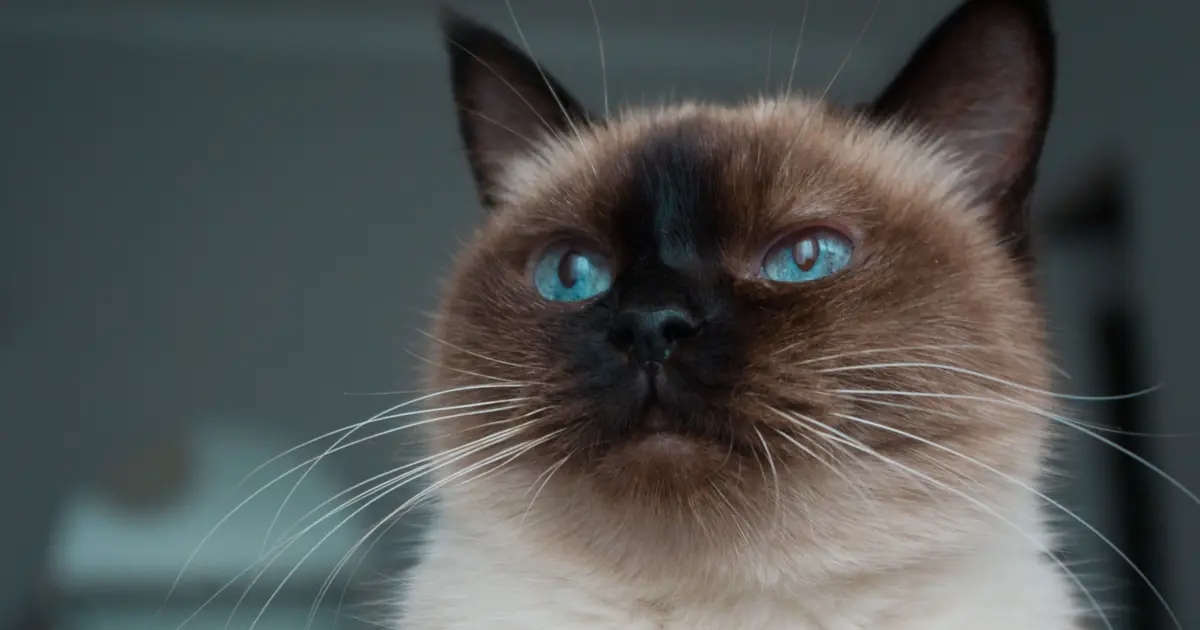
Picture a Siamese. The blue eyes, the long lines, the opinions about everything. Now picture that same cat wearing freckly tabby socks, or a splash of red on its face, or a soft tortie smudge across its mask. That is a Colorpoint Shorthair.
Here is the twist most people miss. The Colorpoint Shorthair is the Siamese-type cat dressed in 16 point colors the classic Siamese never came in. Same shape, same big personality, different coat. And in the Cat Fanciers’ Association, it is registered as its own breed, not just a Siamese in a fancy outfit.
If you love the Siamese look but want red points, cream points, or those gorgeous lynx (tabby) markings, this is your cat. Let’s get into who it really is.
| Origin | United States, mid-20th century (Siamese outcross program) |
| Weight (Male) | 8 to 12 lbs |
| Weight (Female) | 6 to 10 lbs |
| Lifespan | 12 to 16 years |
| Coat | Short, fine, glossy, close-lying single coat |
| Colors | 16 non-traditional points: red, cream, lynx (tabby), and tortie points |
| Energy Level | High; active, athletic, loves heights |
| Grooming Needs | Low; a weekly brush is plenty |
| Good With Kids | Yes, with respectful kids |
| Good With Other Pets | Yes, especially with another active companion |
| Average Price | $500 to $1,500 from a breeder |
What Is a Colorpoint Shorthair?
A Colorpoint Shorthair is a slim, pointed cat built exactly like a Siamese but bred in 16 colors the traditional Siamese does not come in. “Pointed” means the color sits on the cooler parts of the body: the face (mask), ears, legs, feet, and tail, with a paler body. The breed was developed in the United States by crossing Siamese cats with red and cream American Shorthairs and Abyssinian-type cats to bring in new point colors.
The four classic Siamese points are seal, chocolate, blue, and lilac. The Colorpoint Shorthair takes everything else: red points, cream points, the striped “lynx” (tabby) points, and the mottled tortie points. Think of it as the Siamese family’s color expansion pack.
It shares the same long, lean, muscular body, the wedge-shaped head, the big ears, and those famous deep-blue almond eyes. If you saw one across the room, your first thought would be “Siamese.” Look at the coat color, and you’d realize it’s something a little different.
History and Origin: How the Colorpoint Shorthair Came to Be
The Colorpoint Shorthair was created in the United States in the mid-20th century by breeders who wanted Siamese-style cats in new colors. Around the late 1940s and 1950s, a handful of breeders started crossing Siamese cats with red and cream American Shorthairs and Abyssinian-type cats. The goal was simple: get that beautiful red (the orange gene) into a Siamese-shaped, pointed cat.
It took patience. Crossing in another breed brings in all sorts of unwanted traits, so it took generations of careful breeding back to Siamese to keep the elegant body and lose everything else.
The early red, cream, and tortie points started showing up in the show ring, and the Cat Fanciers’ Association accepted them for registration in the late 1950s. They reached full championship status in 1964. By 1969, the CFA added the lynx (tabby) and more tortie point varieties. English breeders had been developing “tabby points” too, and that work crossed the Atlantic and folded into the breed.
So this is a deliberately built breed, not an accident. Every Colorpoint Shorthair traces back to that mid-century plan to give the Siamese a bigger box of crayons.
What Does a Colorpoint Shorthair Look Like?
A Colorpoint Shorthair looks like a Siamese in body and a rainbow at the edges. It’s a medium-sized, svelte cat with long tapering lines, fine bones, and a surprising amount of muscle under that sleek coat. The head is a long wedge, the ears are large and wide at the base, and the eyes are a vivid almond-shaped blue.
The coat is short, fine, glossy, and lies flat against the body. It’s a single coat with almost no fluff, which is part of why these cats feel so warm and silky when they curl up on you.
The 16 Non-Traditional Point Colors
The Colorpoint Shorthair comes in 16 non-traditional point colors, grouped into solid (red and cream) points, lynx (tabby) points, and tortie (particolor) points. The classic seal, chocolate, blue, and lilac belong to the Siamese; the Colorpoint Shorthair owns everything below.
| Group | Point Colors |
|---|---|
| Solid (red and cream) | Red point, cream point |
| Lynx (tabby) points | Seal lynx, chocolate lynx, blue lynx, lilac lynx, red lynx, cream lynx |
| Tortie lynx points | Seal-tortie lynx, chocolate-tortie lynx, blue-cream lynx, lilac-cream lynx |
| Solid tortie (particolor) points | Seal-tortie, chocolate-tortie, blue-cream, lilac-cream |
Lynx points have faint tiger stripes on the mask, ears, and legs, plus the cute little “thumbprint” marks on the backs of the ears. Tortie points show a marbled mix of two colors. Both patterns add a softness the solid Siamese colors don’t have.
Why Kittens Are Born White
Colorpoint Shorthair kittens are born almost pure white and develop their points over the first weeks and months. The reason is genetic and kind of magical. Pointed cats carry a heat-sensitive form of the enzyme that makes pigment. It only switches on in the cooler parts of the body, the face, ears, legs, and tail, while the warm core stays pale.
In the warm womb, there’s no cold anywhere, so kittens come out white. Once they’re out in the world, the cooler points start to color up. The points keep deepening through the first year, and the full pattern can take a while to settle. Fun side note: a Colorpoint Shorthair living in a chilly house often darkens more than one in a warm climate.
Colorpoint Shorthair Personality and Temperament
The Colorpoint Shorthair is loud, smart, affectionate, and glued to its favorite human. This is the heart of the breed, and you need to go in with eyes open. These cats inherited the full Siamese personality, which means they are not low-maintenance roommates. They are involved.
Let’s be honest about the volume. The Colorpoint Shorthair is one of the chattiest cat breeds you can own. It will talk to you, answer you, narrate its day, and complain when dinner is late. Some owners love the constant conversation. Others find the 6am opinions a lot. Know which one you are.
The Velcro Cat Reality
This is a velcro cat. It wants to be with you, on you, or supervising whatever you’re doing. Cooking? It’s on the counter. Working? It’s on the keyboard. Bathroom? Sorry, no privacy here. They form intense bonds and genuinely struggle when left alone for long hours.
The flip side is a cat that meets you at the door, sleeps under the covers, and acts more like a small chatty dog than an aloof feline. If you want a cat that ignores you, look elsewhere. This one has opinions about your absence.
Smart and Busy
Colorpoint Shorthairs are seriously intelligent. They figure out cabinets, faucets, and that one drawer you thought was secure. Many learn to fetch, walk on a harness, and do simple tricks. A bored Colorpoint Shorthair invents its own fun, and you may not love its choices. Give it puzzles, climbing, and your attention, and you’ll have a brilliant companion instead of a feline escape artist.
Is the Colorpoint Shorthair Right for You?
A Colorpoint Shorthair is right for you if you want a deeply bonded, talkative, active cat and you’re home enough to give it real attention. It’s a poor fit if you want quiet, independence, or a cat that entertains itself for ten hours while you’re at work.
| Great fit if you… | Think twice if you… |
|---|---|
| Want a chatty, affectionate companion | Need a quiet, low-key cat |
| Are home a lot or work from home | Are gone 10+ hours daily with no company for the cat |
| Enjoy play, training, and interaction | Want a hands-off, independent pet |
| Can offer a second pet for company | Live somewhere with strict noise concerns |
| Love the Siamese look in unusual colors | Prefer a calm lap cat that naps all day |
Honest take: these cats are wonderful, but they’re a commitment of time and attention, not just food and litter. Match your lifestyle to the cat, and everyone’s happier.
Colorpoint Shorthair Health Issues
The Colorpoint Shorthair is generally healthy with a 12 to 16 year lifespan, but it shares several inherited conditions with the wider Siamese family. Knowing them helps you choose a good breeder and catch problems early. This section is educational, not a diagnosis. Always talk to your vet about your individual cat.
- Progressive retinal atrophy (PRA): An inherited eye disease that slowly degenerates the retina and can lead to blindness. The Siamese family carries a known mutation, and responsible breeders screen for it with a DNA test.
- Amyloidosis: A condition where abnormal protein builds up in organs, often the liver in this family, and can lead to organ damage over time. It runs in Siamese-type lines.
- Hypertrophic cardiomyopathy (HCM): The most common feline heart disease, where the heart muscle thickens. It’s worth periodic vet heart checks as your cat ages.
- Dental disease: Siamese-type cats are prone to gingivitis and periodontal disease. Regular dental care matters more than average here.
- Respiratory sensitivity: Some are prone to asthma and bronchitis, so watch for persistent coughing or wheezing.
- Crossed eyes and kinked tails: Historic Siamese-family traits, now bred out of show lines but still occasionally seen. They’re usually cosmetic and don’t hurt the cat.
See a vet promptly if your cat stops eating, struggles to breathe, has cloudy or clearly changing vision, becomes very lethargic, or shows yellowing of the eyes or gums. These can signal something serious.
Grooming and Care
The Colorpoint Shorthair is one of the easiest cats to groom because its short, fine, single coat barely needs help. A quick brush once a week removes loose hairs and keeps that glossy coat shining. Honestly, a lot of owners get away with a rubber grooming mitt and a five-minute weekly pass.
Do Colorpoint Shorthairs shed? Yes, but lightly. With a single coat and no dense undercoat, shedding is low compared with fluffy breeds. You’ll find some hair on the couch, just not handfuls. Weekly brushing keeps it to a minimum.
The rest is basic upkeep: trim nails every couple of weeks, peek in the ears and wipe gently if dirty, and stay on top of teeth, since dental disease is a real risk in this family. Brushing your cat’s teeth a few times a week (with cat-safe paste) genuinely helps.
Feeding and Diet
Feed your Colorpoint Shorthair a high-quality, protein-rich diet built for an active cat, and watch portions to keep that lean body lean. These are busy, athletic cats with real energy to fuel, so they do well on food where named meat sits at the top of the ingredient list.
A few practical notes. Measure meals instead of free-feeding; a bored indoor cat can pad out fast. Many owners do a mix of wet and dry to keep hydration up. And because dental issues run in the family, dry food alone isn’t a magic toothbrush, so don’t skip actual dental care.
Always keep fresh water available. Some cats in this family are fussy drinkers and love a running fountain. Ask your vet for amounts tailored to your cat’s age, weight, and activity.
Exercise and Enrichment
A Colorpoint Shorthair needs daily play and plenty of vertical space, or it will entertain itself in ways you won’t appreciate. This is a high-energy, intelligent breed that thrives on stimulation. Skimp on it, and you get yowling, counter-surfing, and creative chaos.
- Daily interactive play: Wand toys and feather teasers burn energy and feed the bond. Aim for a couple of real play sessions a day.
- Vertical territory: A tall cat tree or shelves let this athlete climb and survey its kingdom. They love heights.
- Puzzle feeders: Make that big brain work for its dinner. Great for slowing down fast eaters too.
- Training: Yes, you can teach tricks, fetch, and harness walks. They eat it up.
- A companion: A second active pet can keep your cat busy when you’re out.
A puzzle feeder is a simple win here. It turns mealtime into a job and keeps a clever, busy cat occupied while you get things done.
Living With Kids, Dogs, and Other Cats
The Colorpoint Shorthair is a social, people-loving cat that usually does well with respectful kids, friendly dogs, and other active pets. Its outgoing nature means it generally welcomes a busy household rather than hiding from it.
With children, this cat often becomes a willing playmate, as long as kids are taught gentle handling. With dogs, a calm, cat-friendly pup is usually a hit, and many Colorpoint Shorthairs hold their own with confidence. With other cats, the social temperament shines, and a second active cat can be the perfect cure for the alone-time problem.
One caveat: this cat wants to be the center of attention. In a multi-pet home, make sure it still gets one-on-one time with you, or the complaints will begin.
Lifespan and Aging Tips
The Colorpoint Shorthair typically lives 12 to 16 years, and good care can push toward the high end. As your cat ages, a few small habits make a big difference in comfort and longevity.
- Vet visits twice a year for seniors: Earlier detection of kidney, heart, and dental issues buys time and comfort.
- Watch the weight: Older cats slow down, so adjust portions and keep them lean.
- Easy access: Ramps or steps help an aging athlete reach favorite perches.
- Keep the brain busy: Gentle play and puzzles stave off boredom and stiffness.
- Stay on dental care: Mouth problems hit this family hard, and they affect overall health.
Aging cats often get quieter and clingier. Lean into the cuddles; this breed will happily trade zoomies for lap time as the years add up.
How Much Does a Colorpoint Shorthair Cost?
A Colorpoint Shorthair usually costs $500 to $1,500 from a reputable breeder, with show-quality kittens at the top of that range. Pet-quality kittens, including those born in the non-showable traditional Siamese colors, often sell for less.
| Source | Typical Cost |
|---|---|
| Reputable breeder (pet quality) | $500 to $800 |
| Reputable breeder (show/top lines) | $800 to $1,500 |
| Shelter or rescue adoption | $50 to $300 |
Remember the price tag is just the start. Budget for first-year vet care, vaccines, spay or neuter (often included in adoption fees), food, litter, a sturdy cat tree, and pet insurance if you want it. A healthy, well-bred kitten from a screening breeder costs more upfront but can save you heartache and vet bills later.
Where to Find a Colorpoint Shorthair Ethically
The most ethical ways to find a Colorpoint Shorthair are a responsible CFA-registered breeder or a Siamese-focused rescue. A good breeder is happy to show you health screening results, lets you see where kittens are raised, and asks you plenty of questions in return.
- Reputable breeders: Look for CFA registration, DNA testing for PRA, a health guarantee, and kittens raised in the home, not a cage bank.
- Breed and Siamese rescues: Siamese-type cats turn up in rescue more than you’d think, points and all.
- Shelters and adoption sites: Listings sometimes label these cats as Siamese mixes. Filtering for Siamese can surface Colorpoint-type cats.
Red flags to avoid: breeders with always-available kittens of every color, no health testing, no contract, and a willingness to ship a kitten to anyone with a credit card. Walk away.
Similar Breeds to the Colorpoint Shorthair
If you love the Colorpoint Shorthair, a few close relatives in the Siamese family are worth a look. They share the body, the brains, and usually the chatter.
| Breed | How It Compares |
|---|---|
| Siamese | The parent breed; same body, but only the four traditional points (seal, chocolate, blue, lilac). |
| Balinese | Essentially the longhaired version of the Siamese, with a silky plumed tail and the same vocal personality. |
| Lynx Point Siamese | The tabby-pointed variant; same striped mask the Colorpoint Shorthair shows in its lynx colors. |
| Flame Point Siamese | The red-pointed variant, very close to the Colorpoint Shorthair’s red point. |
Want the lynx markings or the warm red points specifically? Read up on the variants here: and .
Common Myths and Misconceptions
“It’s just a Siamese.”
Not quite. The Colorpoint Shorthair shares the Siamese body, but the CFA registers it as its own breed defined by 16 non-traditional point colors the Siamese doesn’t carry. Some other registries fold colorpoints back into the Siamese, which is exactly why the debate exists. Same family, different official label depending on who’s counting.
“Colorpoint Shorthairs are rare.”
They’re less common than the classic Siamese, but they’re not exotic-rare. Plenty of breeders produce them, and Siamese-type cats show up in rescue regularly. The lynx and tortie colors just aren’t as familiar to the average person.
“Short hair means a quiet, easy cat.”
The coat is easy. The cat is not necessarily quiet. This is one of the most vocal, demanding breeds around, short coat and all.
“They’re born already colored.”
Nope. Colorpoint Shorthair kittens are born nearly white and develop their points over weeks and months thanks to a heat-sensitive pigment gene.
Frequently Asked Questions
Q: Is a Colorpoint Shorthair the same as a Siamese?
Not officially in the CFA, which treats the Colorpoint Shorthair as its own breed defined by 16 non-traditional point colors like red, cream, lynx, and tortie. The Siamese is limited to seal, chocolate, blue, and lilac points. They share the same body type and personality, and some registries lump them together, which fuels the debate.
Q: Are Colorpoint Shorthairs rare?
They’re less common than traditional Siamese but not truly rare. Multiple breeders produce them, and Siamese-type cats appear in rescues fairly often. The lynx (tabby) and tortie point colors are just less recognizable to most people than the classic seal point.
Q: How much is a Colorpoint Shorthair?
From a reputable breeder, a Colorpoint Shorthair usually costs $500 to $1,500, with show-quality kittens at the top end. Adoption from a shelter or rescue typically runs $50 to $300, which often includes vaccines and spay or neuter.
Q: Do Colorpoint Shorthairs shed?
Yes, but lightly. The Colorpoint Shorthair has a short, fine single coat with no dense undercoat, so shedding is low compared with fluffy breeds. A quick weekly brush keeps loose hair under control. They are not hypoallergenic, though.
Q: Are Colorpoint Shorthairs vocal?
Very. The Colorpoint Shorthair is one of the chattiest cat breeds, inheriting the Siamese love of conversation. It will talk to you, answer you, and complain loudly when it wants attention or dinner. If you want a quiet cat, this isn’t it.
Q: How long do Colorpoint Shorthairs live?
Colorpoint Shorthairs typically live 12 to 16 years. Good genetics, regular vet care, dental upkeep, and a healthy weight all help them reach the upper end of that range.
Q: Why are Colorpoint Shorthair kittens born white?
Pointed cats carry a heat-sensitive pigment gene that only produces color in the cooler parts of the body. The womb is uniformly warm, so kittens are born nearly white. Their points develop on the cooler face, ears, legs, and tail over the first weeks and months.
Q: Are Colorpoint Shorthairs good with kids and other pets?
Generally yes. The Colorpoint Shorthair is social and outgoing, doing well with respectful children, cat-friendly dogs, and other active pets. A second pet can even help with its dislike of being left alone. Just make sure it still gets plenty of your attention.
Final Verdict: Is the Colorpoint Shorthair Your Cat?
The Colorpoint Shorthair is the Siamese family’s most colorful member, a sleek, blue-eyed cat in 16 point colors the classic Siamese never wore. If you want red points, soft lynx stripes, or a marbled tortie mask on a smart, devoted companion, this breed delivers something special.
Just go in clear-eyed. This is a loud, busy, velcro cat that needs your time, your attention, and a tall cat tree. Give it those, and a Colorpoint Shorthair will reward you with years of conversation, cuddles, and personality. Skimp on them, and it’ll let you know, at full volume. For the right home, it’s one of the most rewarding cats you’ll ever share a couch with.

Hello and welcome to The Ideal Cat!
We are some passionate cat owners from different professions. We love our cats and have a lot of experience in how to care for our pets. We are incredibly excited to share our knowledge, experience, and research with you. So you can take good care of your loving cat. We will answer most of the common questions about owning cats, taking care of them, etc. If you have any question contact with us. Thanks for visiting! Enjoy the content.
