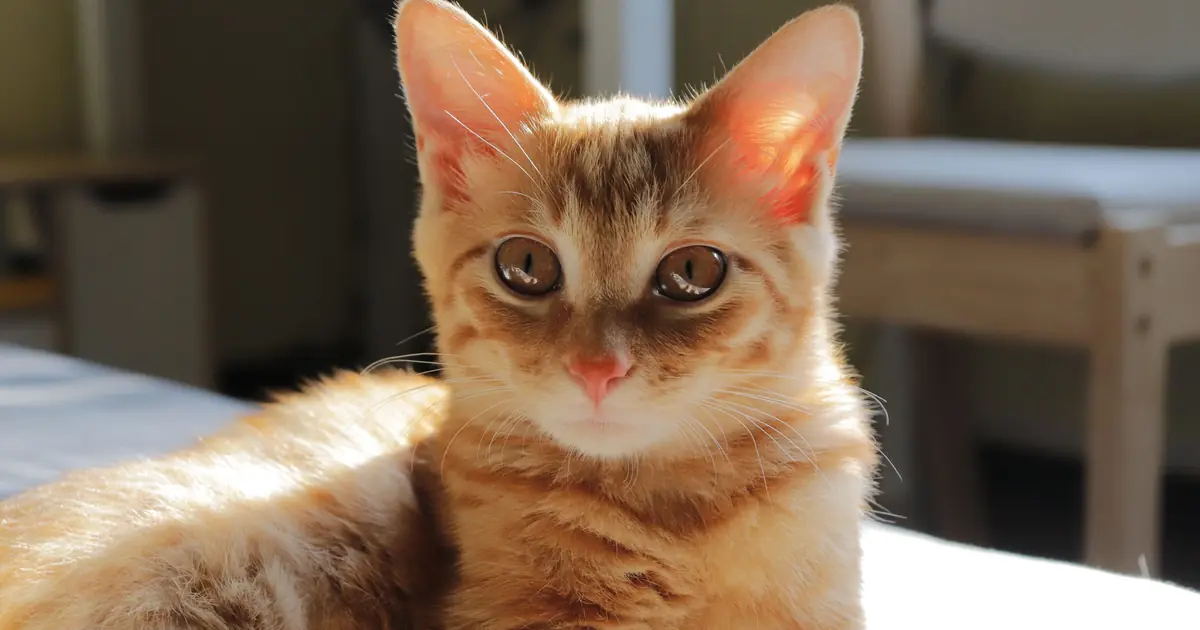
If you’ve ever held a friend’s full-grown cat and thought, “Wait, that’s it? You’re done growing?”, you already know the charm of a tiny cat. Some breeds genuinely stay kitten-sized for life. So what is the smallest cat breed, really? Let’s settle it, because the internet loves to argue about this one.
- The Singapura is the smallest cat breed in the world, weighing 4 to 8 pounds as an adult.
- A typical house cat weighs 8 to 12 pounds, so the Singapura is roughly half the size of an average cat.
- The Munchkin looks tiny because of its short legs, but its body is only slightly smaller than average.
- The Toybob is the smallest cat breed created by a genetic mutation, while the Singapura is the smallest natural breed.
- Small cat breeds can take up to 2 years to reach full size, longer than many average-sized cats.
What is the smallest cat breed in the world?
The smallest cat breed in the world is the Singapura, which weighs just 4 to 8 pounds when fully grown. The Singapura is a natural breed that traces back to Singapore, and even adult males rarely top 8 pounds. To put that in perspective, a regular adult house cat usually weighs 8 to 12 pounds, so a Singapura is about half the size.
The Singapura is easy to spot. It has a short, fine, ticked coat in a warm brown-on-ivory color called sepia agouti, plus large almond-shaped eyes and big cupped ears that look slightly too big for its little face. Most reach full size around 2 years old, which is later than many cats.
One honest note: the Singapura’s “natural” history is debated. A 2007 DNA study found the Singapura is very closely related to the Burmese, which suggests some deliberate breeding in its past. The Cat Fanciers’ Association still recognizes it as the world’s smallest breed.
How small is a Singapura compared to a normal cat?
A Singapura is roughly half the size of an average house cat. Where a typical adult cat weighs 8 to 12 pounds, a Singapura tops out around 8 pounds and often weighs much less. The breed stands only about 6 to 8 inches tall at the shoulder, with a body length of roughly 9 to 12 inches.
Here’s the thing though: a Singapura doesn’t act small. The breed is famous for having huge energy packed into a tiny frame. These cats climb, leap, and want to be involved in everything you do. Small body, big personality is the whole point of the breed.
Which cat breeds are the smallest? (full weight chart)
The smallest cat breeds are the Singapura, Toybob, Munchkin, Devon Rex, and American Curl, all of which usually weigh under 10 pounds full-grown. The table below lists the tiniest breeds by typical adult weight so you can compare them at a glance.
| Breed | Typical Adult Weight | Why It Stays Small |
|---|---|---|
| Singapura | 4 to 8 lbs | Naturally small all over |
| Toybob | 3 to 7 lbs | Genetic mutation (small body, short tail) |
| Munchkin | 4 to 9 lbs | Short legs from a leg-length mutation |
| Minskin | 4 to 6 lbs | Munchkin-derived, short-legged |
| Devon Rex | 6 to 9 lbs | Slim, fine-boned body |
| American Curl | 5 to 10 lbs | Naturally small to medium |
| Japanese Bobtail | 5 to 10 lbs | Lightweight, naturally compact |
| Cornish Rex | 6 to 10 lbs | Slender, athletic build |
For comparison, the average domestic cat weighs 8 to 12 pounds. So a breed is usually called “small” once it consistently stays under about 10 pounds as an adult.
Singapura: the smallest natural breed
The Singapura is the smallest naturally small cat breed, weighing 4 to 8 pounds with a small body in proportion all over. Unlike short-legged breeds, the Singapura is just a miniature-scale cat: small legs, small body, small frame, all to scale. That natural, even smallness is why most experts give it the overall “smallest breed” title.
Toybob: the smallest breed by mutation
The Toybob is the smallest cat breed created by a genetic mutation, often weighing only 3 to 7 pounds. The Toybob comes from Russia and is known for its tiny body and short, kinked, bobbed tail. Because its small size comes from a spontaneous mutation rather than natural breeding, the Toybob is usually ranked separately from the Singapura.
Munchkin: short, not small
The Munchkin isn’t actually a small cat, it’s a short-legged one. A Munchkin weighs 4 to 9 pounds, and its body is close to a normal cat’s size. What makes the Munchkin look tiny is a genetic mutation that gives it very short legs, similar to a Dachshund dog. So a Munchkin sits low to the ground but isn’t lightweight overall.
What is the difference between a small breed and a short-legged breed?
A small breed is small all over, while a short-legged breed has a normal-sized body on stubby legs. The Singapura is small everywhere: light body, short legs, compact frame, all in proportion. The Munchkin, by contrast, has a near-average body length and weight but very short legs from a mutation.
Why does the difference matter? Because the two groups have different care needs. A naturally small breed like the Singapura is simply a petite, healthy cat. A short-legged breed like the Munchkin can be more prone to spine and chest issues, so it needs regular vet checkups to stay comfortable.
Are small cat breeds healthy?
Yes, small cat breeds are generally healthy, and being small is not a health problem on its own. The Singapura, Devon Rex, and Cornish Rex are all considered hardy breeds. That said, very tiny cats can be a little more prone to dental crowding, and short-legged breeds like the Munchkin can develop spine-related issues.
A few things worth watching with smaller breeds:
- Dental care. Small mouths can mean crowded teeth, so yearly dental checks help.
- Spine and chest (short-legged breeds). Munchkins can be prone to conditions like lordosis and pectus excavatum, which affect the spine and chest wall.
- Weight balance. A few extra ounces show up fast on a 5-pound cat, so portion food carefully.
- Gentle handling. Lighter cats have finer bones, so kids and big dogs should be supervised.
This article is educational and isn’t a substitute for veterinary advice. If your small cat seems suddenly thinner, stops eating, struggles to walk or jump, or breathes heavily, see a licensed veterinarian right away. For trusted breed and health information, the Cornell Feline Health Center is a great place to start.
How can you tell a small breed from an underweight cat?
A small breed is petite but well-proportioned, while an underweight cat looks thin for its frame. A healthy small cat like a Singapura has smooth muscle, a soft layer of cover over the ribs, and steady energy. An underweight cat has ribs, spine, or hips that feel sharp and stick out, often with low energy or a poor appetite.
Don’t panic if your cat is simply petite. But if you can see the spine and hip bones clearly, or your cat is dropping weight, that’s a vet visit, not a breed trait. Sudden weight loss in cats can signal dental pain, parasites, thyroid issues, or other conditions a vet should check.
How long do small cat breeds take to grow up?
Small cat breeds often take longer to reach full size, not less time. The Singapura, for example, can take up to 2 years to finish growing, even though “full size” is only about 8 pounds. Many average cats reach adult size closer to 12 months, so a slow-growing tiny breed is completely normal.
So if your small kitten seems to be taking forever to “fill out,” that’s usually fine. Track weight gently over months rather than weeks, and let your vet confirm growth is on a healthy curve.
Which small cat breed is right for you?
The best small cat breed for you depends on the energy level and grooming you want, not just the size. The Singapura suits people who love a playful, busy, people-focused cat. The Devon Rex and Cornish Rex suit those who want a fine, short, low-shedding coat and a clownish personality. The American Curl fits anyone wanting a small-to-medium, easygoing companion.
A quick gut-check before you choose any small breed:
- Match the energy. Singapuras and Rex breeds are high-energy, so plan for daily play.
- Think about other pets. A 4-pound cat needs gentle introductions to big dogs.
- Plan for the long game. Many small breeds live 12 to 15 years or more.
- Buy from a responsible source. A reputable breeder or rescue screens for health issues.
So, what is the smallest cat breed? The Singapura, at a featherweight 4 to 8 pounds, is the smallest cat breed in the world and the smallest natural one too. Whether you fall for a Singapura, a Munchkin, or a curly Devon Rex, a tiny cat brings a giant personality into a very small package.
Frequently Asked Questions
Q: What is the smallest cat breed in the world?
The Singapura is the smallest cat breed in the world, weighing just 4 to 8 pounds when fully grown. It is also the smallest natural breed. The Toybob can be lighter, at 3 to 7 pounds, but its size comes from a genetic mutation rather than natural breeding.
Q: Is the Munchkin the smallest cat breed?
No, the Munchkin is not the smallest cat breed. The Munchkin weighs 4 to 9 pounds and has a near-average-sized body. It only looks tiny because a genetic mutation gives it very short legs. The Singapura is the true smallest breed by overall weight.
Q: How much does a Singapura cat weigh?
A Singapura cat weighs 4 to 8 pounds as an adult. Females typically weigh 4 to 6 pounds and males 6 to 8 pounds. That makes the Singapura roughly half the weight of an average house cat, which is usually 8 to 12 pounds.
Q: What is the smallest cat breed that stays small forever?
The Singapura stays small for life, topping out around 8 pounds even as an adult. The Toybob, Munchkin, and Minskin also stay small or short throughout their lives. None of these breeds grows into an average-sized cat, so they keep their kitten-like look for years.
Q: Are small cat breeds healthy?
Small cat breeds are generally healthy, and being small is not a health problem by itself. Tiny cats can be slightly more prone to dental crowding, and short-legged breeds like the Munchkin can have spine or chest issues. Regular vet checkups keep small cats in good shape.
Q: How long do small cat breeds live?
Most small cat breeds live 12 to 15 years or longer with good care. The Singapura, Devon Rex, and Cornish Rex are all known for solid lifespans. Lifespan depends more on diet, vet care, and indoor living than on the cat’s size.
Q: What is the difference between the Singapura and the Toybob?
The Singapura is the smallest natural cat breed at 4 to 8 pounds, while the Toybob is the smallest mutation-based breed at 3 to 7 pounds. The Toybob also has a short, kinked, bobbed tail and comes from Russia. The Singapura is simply a fully proportioned miniature cat.
Q: Do small cats need less food?
Yes, small cats need less food than average-sized cats because they have lower calorie needs. A 5-pound Singapura eats far less than a 12-pound cat. Measure portions carefully, since even a small amount of extra food can lead to weight gain on a tiny frame. Ask your vet for an exact amount.

Hello and welcome to The Ideal Cat!
We are some passionate cat owners from different professions. We love our cats and have a lot of experience in how to care for our pets. We are incredibly excited to share our knowledge, experience, and research with you. So you can take good care of your loving cat. We will answer most of the common questions about owning cats, taking care of them, etc. If you have any question contact with us. Thanks for visiting! Enjoy the content.
