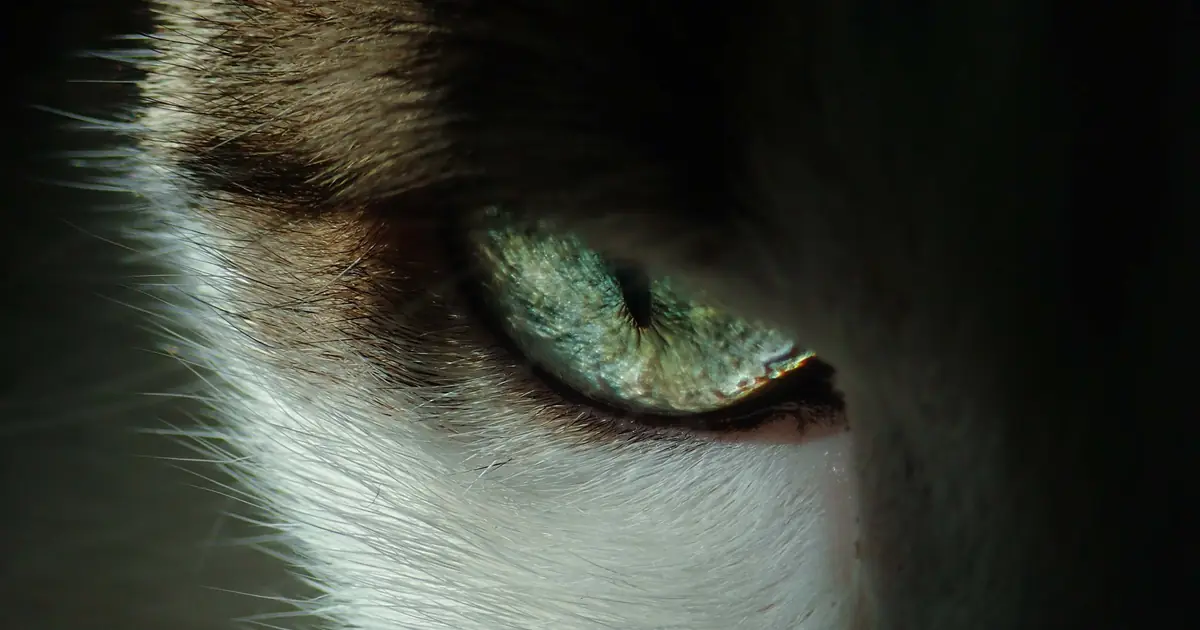
You catch your cat squinting at you from across the room, one eye puffy and half shut, and your stomach drops a little. Is this an emergency? Did she scratch it on something? Is it just allergies?
Here’s the good news: most causes of a swollen cat eye are treatable once a vet figures out what’s behind it. But “most” isn’t “all,” and a handful of causes can steal your cat’s sight in a matter of hours if they’re ignored. This guide walks through why a cat’s eye swells, how to tell the common stuff from the true emergencies, and exactly what to do next.
- Conjunctivitis is the most common feline eye disorder, and feline herpesvirus (FHV-1) is by far its most frequent cause, according to Cornell Feline Health Center.
- A swollen eye can mean the eyelid is puffy, the clear membrane covering the eye (the conjunctiva) is swollen, or the third eyelid is bulging up, and each points to a different cause.
- Cat bite abscesses are a very common, often overlooked cause of sudden one-sided eye and face swelling, especially in outdoor or multi-cat households.
- A bulging eye, a cloudy cornea, sudden severe swelling, or a cat that can’t open its eye at all are emergency signs that need same-day veterinary care.
- Human eye drops and leftover pet medication are never safe substitutes for a vet exam, since the wrong treatment can mask a serious problem or make it worse.
Why Is My Cat’s Eye Swollen?
A cat’s eye swells because something is irritating or damaging the tissue around it, and the body responds by sending extra fluid and immune cells to the area. That reaction can show up in the eyelid, in the clear membrane covering the white of the eye (the conjunctiva), or in the third eyelid, the pale membrane that sweeps in from the inner corner. The most frequent triggers are infection (especially viral conjunctivitis), allergies, physical trauma like a scratch or bite, a blocked tear duct, or something stuck under the eyelid. Less often, swelling signals a more serious problem like glaucoma or an infection behind the eyeball.
Where the puffiness sits gives your vet real clues. Eyelid swelling often points to an allergy or a bite wound. A bulging conjunctiva usually means conjunctivitis or chemosis. And a whole eyeball that looks pushed forward or larger than the other one, called exophthalmos, is different from puffy eyelids and needs urgent attention, since it often comes from an abscess or mass behind the eye. Treat swelling as a symptom, not a diagnosis: your job is to notice how it looks and behaves, then get your cat in front of a vet.
What Are the Most Common Causes of a Swollen Eye in Cats?
The most common cause of a swollen cat eye is conjunctivitis, an inflammation of the pink membrane lining the eyelids and covering the eyeball. Cornell Feline Health Center identifies feline herpesvirus (FHV-1) as the single most frequent cause of feline conjunctivitis, though bacteria like Chlamydia felis and allergies can trigger it too.
- Feline herpesvirus conjunctivitis: redness, discharge, squinting, and a swollen conjunctiva and third eyelid. It’s usually self limiting and clears in about two weeks, but the VCA notes it can cause lasting eye damage if left untreated.
- Allergic reactions: to pollen, dust, a new litter, or an insect sting, often causing puffiness in both eyes, sometimes with facial hives.
- Trauma or a scratch: from a claw, branch, or rough play, causing eyelid swelling, tearing, squinting, or a visible mark on the eye’s surface.
- Blocked tear duct: stops tears from draining normally, so they pool and cause mild swelling and constant wet, stained fur near the inner corner of the eye.
- Eyelid infection or abscess: including cat bite abscesses, which are extremely common after a fight and often cause sudden, painful, one-sided swelling.
- Foreign object: a grass seed, dust, or debris trapped under the eyelid, causing pawing, squinting, and swelling until it’s removed.
- Chemosis: severe swelling of the conjunctiva itself, sometimes bulging so far it covers part of the eyeball.
- Less common but serious causes: glaucoma (a buildup of pressure inside the eye) or a mass or infection behind the eyeball, both of which can threaten vision quickly.
What Other Symptoms Come With a Swollen Eye, and How Is This Different From Squinting or Pink Eye?
A swollen eye rarely shows up alone. Watch for discharge (watery, thick, yellow, or green), redness in the white of the eye or eyelid rims, squinting, pawing at the face, cloudiness, or a change in behavior like hiding or skipping meals. If your cat’s eye boogers have suddenly gotten worse, that combination usually points toward an active infection. A cat who’s hiding and not eating alongside eye swelling is telling you the discomfort is real, and that’s a reason to call the vet sooner rather than later.
Swelling, squinting, and pink eye overlap but aren’t the same thing. Squinting is a cat holding the eye partly or fully shut, usually from pain or light sensitivity, and it can happen with or without visible swelling; if that’s your cat’s main symptom, see our guide on why cats squint one eye. Pink eye (conjunctivitis) means redness and inflammation of the conjunctiva specifically, and it’s one of the most common reasons an eye swells; our cat pink eye treatment guide covers what vets prescribe. Swelling is broader than either one, since it describes visible puffiness that pink eye, an allergy, or trauma can all cause. If your cat also has a runny nose or just won’t stop sneezing, that combination is classic for feline herpesvirus or calicivirus, which hit the eyes and airway together.
| Possible Cause | Other Signs to Watch For | Urgency |
|---|---|---|
| Herpesvirus or bacterial conjunctivitis | Redness, discharge, squinting, swollen third eyelid | Vet visit within a day or two |
| Allergic reaction | Puffiness, often both eyes, mild redness, no discharge | Same-day vet call; ER if breathing is affected |
| Trauma or scratch | Tearing, squinting, visible mark on the eye | Same-day vet; ER if the cornea looks cloudy or damaged |
| Blocked tear duct | Constant wet fur, mild swelling at inner corner | Routine vet visit |
| Eyelid infection or bite abscess | One-sided swelling, pain, warmth, possible pus | Same-day vet visit |
| Foreign object under the eyelid | Pawing at the eye, squinting, discharge | Same-day vet visit |
| Chemosis (severe conjunctival swelling) | Conjunctiva bulges, may cover part of the eyeball | Prompt vet visit |
| Glaucoma or a mass behind the eye | Bulging eye, cloudy cornea, dilated pupil, pain | Emergency, same day |
What Should I NOT Do If My Cat’s Eye Is Swollen?
Don’t use human eye drops, leftover cat or dog medication, or anything from your own medicine cabinet. Human eye products can contain ingredients unsafe for cats, and a leftover prescription treats whatever your cat (or another pet) had last time, not necessarily what’s happening now. The American Animal Hospital Association warns that treating the wrong condition, like putting a steroid drop on an eye with a hidden corneal ulcer, can make things dramatically worse and even threaten vision.
Also skip trying to flush out a foreign object yourself with tap water or tweezers. You can scratch the cornea or push debris in deeper. And don’t wait several days “to see if it clears up” if the swelling is severe, sudden, or your cat seems to be in real pain. This article is educational, not a diagnosis, and it’s not a substitute for a hands-on exam.
What Will the Vet Do for a Cat’s Swollen Eye?
A vet starts with a full eye exam, checking the cornea, conjunctiva, and eyelids for scratches, ulcers, or foreign material. Many apply a fluorescein stain, a harmless dye that glows under blue light to reveal corneal damage invisible to the naked eye. Depending on what they find, they may measure eye pressure to rule out glaucoma, swab for herpesvirus or bacteria, or flush the tear ducts if drainage looks blocked.
Treatment depends entirely on the cause. Conjunctivitis often gets prescription drops or ointment, sometimes paired with an oral antiviral or antibiotic. A bite abscess usually needs draining and antibiotics. Glaucoma is treated as a true emergency, since pressure inside the eye can cause permanent vision loss within hours to days if it isn’t brought down quickly. Whatever the cause, your cat goes home with a plan built for the actual diagnosis, not a guess.
When Is a Swollen Eye a Cat Emergency?
A swollen cat eye becomes an emergency when the swelling is sudden and severe, the eyeball looks bulged or sits crooked compared to the other eye, the cornea has turned cloudy or blue, your cat can’t open the eye at all, or you notice sudden vision loss like bumping into things. Frantic pawing at the face, refusing to eat, or hiding and avoiding touch also warrant an urgent visit rather than a wait-and-see approach.
According to Merck Veterinary Manual, sudden eye pain or a change in eye appearance in cats should always be treated as urgent, since delayed treatment for conditions like glaucoma or a corneal ulcer can cause permanent blindness in that eye. If your regular vet is closed, an emergency animal hospital is worth the trip. A few hours can matter.
Frequently Asked Questions
Q: Can a cat’s swollen eye go away on its own?
Mild conjunctivitis from feline herpesvirus can sometimes resolve on its own within about two weeks, but you shouldn’t count on that outcome without a vet checking it first. Some causes, like glaucoma or a bite abscess, get worse without treatment and can cause lasting damage.
Q: Why is only one of my cat’s eyes swollen?
One-sided swelling usually points to a localized cause like a scratch, a foreign object, or a cat bite abscess rather than a body-wide allergic reaction. Bite abscesses near the eye are common after fights and typically need draining plus antibiotics from a vet.
Q: Is a swollen eye in cats an emergency?
It can be. Sudden severe swelling, a bulging eyeball, a cloudy cornea, or a cat that can’t open its eye at all are emergency signs that need same-day veterinary care, since conditions like glaucoma can cause permanent blindness within hours.
Q: Can I put human eye drops on my cat’s swollen eye?
No. Human eye drops can contain ingredients that are unsafe for cats and won’t address the actual cause of the swelling. Only a vet-prescribed treatment, matched to an exam and possibly a stain test, is safe to use.
Q: What does chemosis mean in cats?
Chemosis is swelling of the conjunctiva, the thin pink membrane covering the white of the eye, and it can look like a jelly-like bulge around or over part of the eyeball. It’s most often caused by severe conjunctivitis, an allergic reaction, or trauma.
Q: Can allergies cause a cat’s eye to swell?
Yes. Allergic reactions to pollen, dust, certain litters, or insect stings can cause sudden eyelid or conjunctival swelling, often in both eyes at once, sometimes with facial hives. A vet can help tell an allergy apart from an infection.
Q: How do vets treat a swollen eye caused by a cat bite abscess?
Vets typically need to drain the abscess and prescribe antibiotics to clear the infection, since bite wounds trap bacteria deep under the skin where they can’t heal on their own. Left untreated, a bite abscess near the eye can spread and threaten the eye itself.
Q: Why does my cat’s third eyelid look swollen or raised?
A raised or swollen third eyelid often shows up alongside conjunctivitis, but it can also signal irritation, a foreign object, or in rare cases a problem further back in the eye socket. It’s worth a vet exam any time the third eyelid is visibly up for more than a day.

Hello and welcome to The Ideal Cat!
We are some passionate cat owners from different professions. We love our cats and have a lot of experience in how to care for our pets. We are incredibly excited to share our knowledge, experience, and research with you. So you can take good care of your loving cat. We will answer most of the common questions about owning cats, taking care of them, etc. If you have any question contact with us. Thanks for visiting! Enjoy the content.
