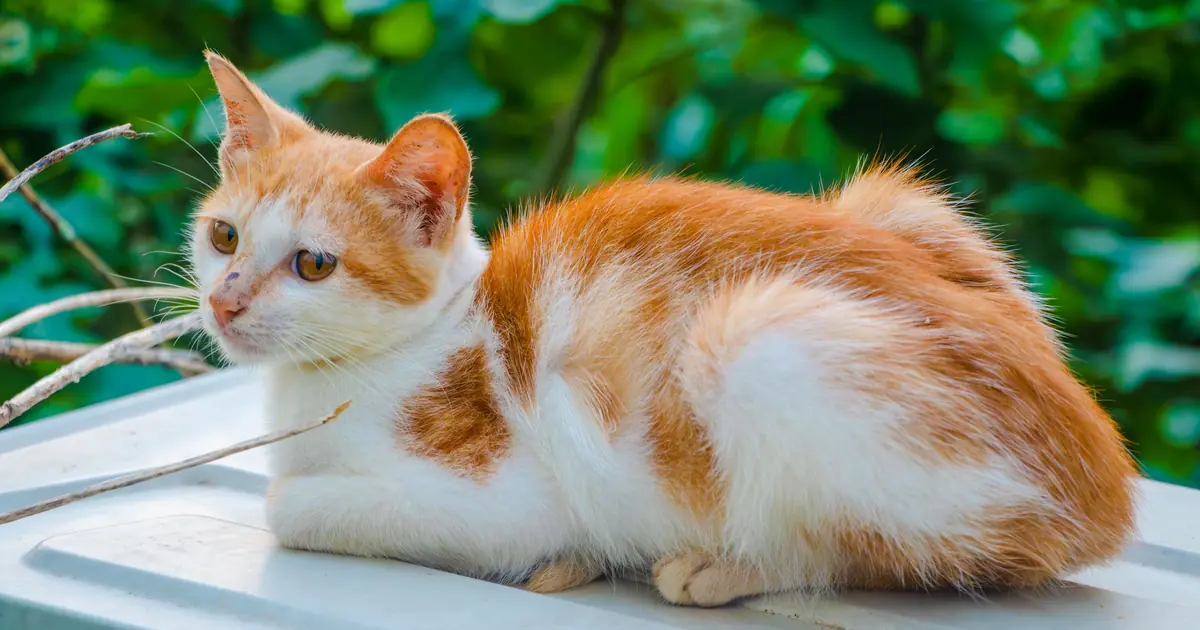
Picture this. A round little cat with a teddy-bear coat bounds across the room, skids to a stop at your feet, and looks up like it just remembered something urgent. You glance at the back end. No tail. None. Just a soft, fluffy curve where a tail should be.
That’s the Cymric cat. It’s the longhaired version of the Manx, the famous tailless cat from the Isle of Man. And honestly, once people meet one, they tend to get a little obsessed.
So let’s talk about what living with a Cymric is really like, the good, the fluffy, and the health stuff you genuinely need to understand first.
| Origin | Isle of Man heritage; longhair variety developed in Canada, 20th century |
| Weight (Male) | 9 to 12 lbs |
| Weight (Female) | 8 to 11 lbs |
| Lifespan | 10 to 15 years |
| Coat | Medium to long, dense, soft double coat |
| Colors | Nearly all colors and patterns (coat quality valued over color in shows) |
| Energy Level | Moderate to High |
| Grooming Needs | Moderate (weekly, more during shedding season) |
| Good With Kids | Yes |
| Good With Other Pets | Yes, including dogs |
| Average Price | $300 to $800 from breeders |
What Is a Cymric Cat?
A Cymric cat is the longhaired version of the Manx, the tailless breed that comes from the Isle of Man. Same body, same missing tail, same playful personality. The only real difference is the coat. A Manx has short fur. A Cymric has a soft, medium-to-long double coat that makes it look like a fluffy little bowling ball.
The name is pronounced “KIM-rick,” and it comes from the Welsh word for Wales. Why Wales for a cat tied to the Isle of Man? Mostly a naming choice by early breeders. The cat itself has no special Welsh connection.
Here’s a point worth clearing up early. The Cymric is tailless because of the Manx gene, not a bobtail gene. That matters. The American Bobtail and Japanese Bobtail have short tails from completely different genetics. The Cymric’s taillessness comes with real health considerations that bobtails don’t share.
Is the Cymric a Longhaired Manx?
Yes, the Cymric is a longhaired Manx, and most major cat registries treat it exactly that way. The Cat Fanciers’ Association and several others list the longhair as a division within the Manx breed rather than a separate breed of its own.
The International Cat Association accepted both the Manx and the Cymric for championship competition in June 1979. Depending on which registry you ask, you’ll see it called a Cymric, a Manx Longhair, or simply a longhaired Manx. They all mean the same cat.
So if a breeder says “Manx Longhair” and you were searching for “Cymric,” don’t panic. You’re looking at the same fluffy tailless cat.
History and Origin: From the Isle of Man to Canada
The Cymric’s story starts on the Isle of Man, a small island sitting in the sea between England and Ireland. Tailless cats have lived there for centuries. The island’s isolation let the tailless gene spread freely through the local cat population, which is how the Manx became the island’s signature cat.
Long fur popped up in Manx litters now and then, since the gene for it was quietly riding along in some bloodlines. For a long time, these fluffy kittens were treated as oddities and not much else.
That changed in the mid-20th century. Breeders in Canada and the United States took an interest in the longhaired ones and started developing them on purpose. The longhaired Manx began appearing in shows in the 1960s and slowly built a following through the 1970s. That’s why you’ll often see the Cymric described as a Canadian development of an Isle of Man cat.
Cymric Cat Appearance: Size, Coat, and Tail Types
The Cymric is a medium, compact cat built like a soft, round ball. Adults usually weigh 8 to 12 pounds, with males on the heavier end. They feel surprisingly solid when you pick one up, dense and muscular under all that fluff.
The body is short and rounded with a deep flank. The hind legs are noticeably longer than the front legs, which lifts the rump up a little and gives the cat a slightly arched, ready-to-pounce shape. The head is round, the eyes are big, and the whole look reads as gentle and slightly surprised.
The Double Coat
The Cymric coat is the whole reason this cat exists as a separate name. It’s a medium-to-long double coat with a soft, dense undercoat and a silkier top layer. You’ll see fluffy “breeches” on the back legs and a ruff around the neck. It’s plush without being as high-maintenance as, say, a Persian.
Cymrics come in nearly every color and pattern you can think of: solids, tabbies, tortoiseshells, bicolors, and more. In the show ring, judges care more about coat texture and body type than color, so there’s no single “correct” Cymric color.
The Four Tail Types
Here’s where the Cymric gets genuinely interesting. Not every Cymric is completely tailless. The Manx gene produces a range of tail lengths, and breeders sort kittens into four categories.
| Tail Type | What It Means |
|---|---|
| Rumpy | Completely tailless, with a small dimple where a tail would start |
| Rumpy riser | A few vertebrae (up to about three) that rise when you pet the cat |
| Stumpy | A short, partial tail of up to about five vertebrae |
| Longy | A nearly normal-length tail, shorter than a typical cat’s |
The fully tailless rumpies are the ones people picture, and they’re the most prized in shows. They’re also the type most likely to carry the health risks we’ll cover below. A litter of Cymrics can include all four tail types, even from the same parents.
Kitten vs Adult
Cymric kittens are basically fuzzy ping-pong balls with legs. The full plush adult coat takes time to come in, so a young Cymric may look less dramatic than its parents. The double coat usually fills out as the cat matures over its first year or two.
Cymric Cat Personality and Temperament
If you want an aloof, do-not-touch-me cat, keep looking. The Cymric is not that cat.
Cymrics are people cats. They’re affectionate, playful, and they want to be part of whatever you’re doing. Cooking dinner? You’ve got a fluffy supervisor. Working from home? Expect a coworker on your keyboard.
The breed has a real reputation for being dog-like. Many Cymrics learn to play fetch, follow their humans from room to room, and some even take to a leash and harness. They’re smart and curious, and they like having little jobs to do.
Those strong back legs aren’t just for looks. Cymrics are powerful jumpers and they love getting up high. Don’t be shocked when yours launches onto the top of a bookshelf you thought was cat-proof.
They’re also generally calm and even-tempered once playtime winds down. A happy Cymric is the kind of cat that fetches a toy for ten minutes, then melts into your lap and naps. Best of both worlds.
Is the Cymric Cat Right for You?
The Cymric is a great fit for a lot of homes, but not every home. Here’s an honest breakdown.
A Cymric is a good match if you:
- Want a social, affectionate cat that bonds closely with its family
- Have a dog or other pets and want a cat that gets along with them
- Like an interactive cat that plays fetch and follows you around
- Are home often, or have other pets, so the cat isn’t alone all day
- Can commit to weekly brushing and honest health monitoring
A Cymric is probably not for you if you:
- Are gone 10-plus hours a day with no other pets at home (they get lonely)
- Want a low-interaction, independent cat
- Aren’t comfortable budgeting for possible vet care tied to the tailless gene
- Can’t find a responsible breeder who screens for spinal health
That last point is the big one. The Cymric’s charm comes bundled with a genetic health risk you have to take seriously, which brings us to the part you really need to read.
Cymric Cat Health Issues: Manx Syndrome Explained
This section matters more than any other, so let’s be clear and careful. The same gene that makes the Cymric tailless can also cause serious spinal problems. This is real, it’s well documented, and any honest guide has to cover it.
The taillessness comes from a dominant gene, often labeled M. This gene affects how the bones at the end of the spine develop. In some cats it simply shortens the tail. In others, it disrupts the lower spine and the nerves that run through it.
What Is Manx Syndrome?
Manx syndrome is a group of birth defects caused by the tailless gene shortening the spine too much. It’s also called sacrocaudal dysgenesis. The condition can include spina bifida, a defect where the spinal column doesn’t close properly, along with problems affecting the bladder, bowel, and hind legs.
Cats affected by Manx syndrome may have trouble walking, a hopping or uncoordinated gait, or difficulty controlling urination and defecation. Signs usually show up early in a kitten’s life, often within the first few months. The fully tailless rumpies are at the highest risk, because they have the most extreme version of the spinal shortening.
Not every Cymric develops Manx syndrome. Plenty live long, healthy, perfectly mobile lives. But the risk is genuine, and it’s the single most important thing to understand about this breed.
The Lethal Gene and Why Breeding Matters
The Manx gene is what scientists call a lethal gene in its double-copy form. A kitten that inherits two copies of the gene typically doesn’t survive and is lost before birth. This is why Cymric and Manx litters tend to be small.
It’s also why responsible breeders never mate two fully tailless cats together. Pairing rumpy with rumpy stacks the genetic odds badly, raising the risk of severe defects and loss of kittens. Good breeders deliberately pair a tailless cat with a tailed or partially tailed one to reduce harm.
Other Health Notes
Beyond the spinal issues, Cymrics can also be prone to a few things common in many breeds, like arthritis in the lower back as they age and dental disease. Keeping them at a healthy weight helps protect those longer hind legs and lower spine.
This article is here to help you learn, not to replace your vet. If you’re considering a Cymric or already have one, talk to a licensed veterinarian about spinal and neurological screening, and get any signs of mobility or litter box trouble checked promptly.
Grooming and Care for a Cymric Cat
The Cymric’s double coat is easier than it looks, but it still needs regular attention. Plan on brushing once or twice a week to keep that plush fur from matting, especially around the breeches and ruff where tangles love to hide.
During seasonal shedding, usually spring and fall, bump that up. The undercoat lets go in bigger amounts and daily brushing for a couple of weeks will save your furniture (and your vacuum).
A stainless steel comb plus a slicker brush is the classic combo for a coat like this. The comb catches mats near the skin, while the slicker smooths the top layer.
One thing to watch with tailless cats: hygiene at the back end. Some Cymrics, especially fluffier ones, can use a little help keeping the rear clean. A quick check during grooming keeps things tidy and lets you spot any litter box issues early.
Round out care with regular nail trims, ear checks, and dental care. Brushing your cat’s teeth a few times a week goes a long way.
Do Cymric Cats Shed?
Yes, Cymric cats shed, but usually less than you’d expect for such a fluffy cat. They’re long-haired, so some shedding is part of the deal, but it’s moderate most of the year. The two heavier shedding seasons are when you’ll really notice it. Weekly brushing keeps loose hair under control the rest of the time.
Feeding and Diet for a Cymric Cat
There’s no magical Cymric-only diet. Feed a high-quality, meat-first cat food that meets AAFCO standards for your cat’s life stage, and you’re on the right track.
The one breed-specific thing to mind is weight. The Cymric is a compact, muscular cat, and extra pounds put strain on those longer hind legs and the lower spine, the exact areas already under genetic pressure. Measure meals, go easy on treats, and check with your vet on the right portions.
Fresh water always available is a given. If your Cymric is picky about drinking, a pet fountain can help nudge them toward better hydration.
Exercise and Enrichment
Cymrics are smart and athletic, and a bored Cymric will invent its own fun, which usually means knocking your stuff off shelves.
Give them outlets. Daily interactive play with a wand toy, a fetch session (yes, really), and puzzle feeders all keep that clever brain busy. Because they’re strong jumpers, they love vertical space, so a cat tree or some sturdy shelves will be a hit.
Wand teaser toy
A simple feather or ribbon wand toy is perfect for a Cymric’s love of chasing and pouncing. It taps into their hunting drive and gives those powerful back legs a real workout.
Many Cymrics also enjoy clicker training and leash walks, so don’t be shy about teaching tricks. They genuinely like the challenge.
Living With Kids, Dogs, and Other Cats
This is where the Cymric really shines. The breed is sociable and easygoing, and it tends to fit into busy, multi-pet homes beautifully.
With kids, Cymrics are usually patient and playful, a solid choice for families. As with any cat, teach children to handle gently and give the cat a quiet escape spot when it needs a break.
With dogs, the Cymric’s dog-like nature works in its favor. Many get along great with friendly dogs, especially with a calm, gradual introduction. The fetch-loving, follow-you-around personality means they often “get” dogs better than aloof breeds do.
With other cats, Cymrics are generally social and adapt well, again with a slow, proper introduction. They’re not loners, so a feline companion can actually be a plus, especially if you’re out of the house a lot.
Cymric Cat Lifespan and Aging Tips
Cymric cats typically live 10 to 15 years, and many sail past that with good care. A healthy, well-bred Cymric with no significant spinal issues can be a long-term companion.
As they age, keep an eye on the lower back and hind end. The same areas affected by the tailless gene are the ones most likely to develop arthritis or stiffness later in life. Senior-friendly steps, like a low-entry litter box and soft bedding, make a real difference.
Keep up with twice-yearly vet visits for seniors, watch their weight, and flag any change in mobility or litter box habits right away. Early attention is everything with this breed.
How Much Does a Cymric Cat Cost?
A Cymric cat usually costs between $300 and $800 from a breeder, though show-quality kittens or rare bloodlines can run higher. The wide range reflects breeder reputation, health testing, and the kitten’s tail type and conformation.
Adoption, when you can find one, is far cheaper, often a fee that already covers spay or neuter, vaccines, and microchipping. Cymrics are uncommon in shelters, but Manx and Manx mixes turn up more often than you’d think.
| Cost | Typical Range |
|---|---|
| Kitten from a breeder | $300 to $800+ |
| Adoption fee | $75 to $200 |
| First-year supplies and vet care | $500 to $1,000 |
| Ongoing yearly costs | $500 to $1,200 |
Budget realistically for the genetic health angle too. Pet insurance is worth a look with this breed, ideally before any pre-existing condition shows up.
Where to Find a Cymric Cat Ethically
Finding a Cymric responsibly is non-negotiable with this breed, because the wrong breeder can hand you a kitten with serious, heartbreaking problems.
Look for a breeder who:
- Never breeds two fully tailless (rumpy) cats together
- Screens breeding cats for spinal and neurological health
- Lets kittens go home no earlier than about 12 to 16 weeks, so health issues have time to show
- Is registered with a recognized body like CFA or TICA
- Welcomes questions and lets you see where the cats live
Walk away from any seller who:
- Won’t discuss Manx syndrome or pretends it isn’t a thing
- Pushes “guaranteed rumpy” kittens for a premium
- Sends kittens home very young
- Has no health screening or paperwork
Rescue is a wonderful route too. Breed-specific rescues and Manx groups occasionally have Cymrics or longhaired Manx cats looking for homes.
Similar Breeds to Consider
Not totally sold on the Cymric, or just want to weigh your options? A few breeds scratch a similar itch.
- Manx – Literally the same cat with short hair. Same tailless charm and personality, less brushing.
- American Bobtail – A short-tailed, dog-like cat, but its bobtail comes from a different, safer gene than the Manx.
- Norwegian Forest Cat – Big, fluffy, and friendly if you love the plush coat but want a full tail and a hardier build.
- Ragamuffin – Sweet, affectionate, and people-focused, great for that lap-cat-with-personality vibe.
Common Myths and Misconceptions About Cymric Cats
The Cymric attracts more than its share of tall tales. Let’s clear a few up.
Myth: Cymrics hop like rabbits
You’ll hear the Cymric called a “bunny cat” that hops instead of walks. The nickname comes from the round body, longer back legs, and missing tail, which can give an unusual look. But a healthy Cymric walks like a normal cat. A genuine hopping or staggering gait is not cute, it’s a possible sign of Manx syndrome and a reason to see a vet.
Myth: All Cymrics are completely tailless
Nope. Cymrics come in four tail types, from fully tailless rumpies to nearly full-tailed longies. A short stump or partial tail is still very much a real Cymric.
Myth: The Cymric is a type of bobtail
The Cymric’s taillessness comes from the Manx gene, not a bobtail gene. Breeds like the American and Japanese Bobtail get their short tails from entirely different genetics, without the same spinal risks.
Myth: A tailless cat can’t balance
Cats use their tails for balance, sure, but Cymrics adapt just fine. They jump, climb, and pounce with the best of them. The body simply compensates.
Frequently Asked Questions About Cymric Cats
Q: Is the Cymric a longhaired Manx?
Yes. The Cymric is the longhaired version of the Manx and shares the same body, taillessness, and personality. Most registries, including the CFA, treat it as a longhair division of the Manx rather than a fully separate breed.
Q: Why do Cymric cats have no tail?
Cymric cats are tailless because of a dominant gene, often called M, inherited from their Isle of Man Manx ancestors. This gene affects how the spine and tail bones develop, which is also why it carries some health risks.
Q: Are Cymric cats healthy?
Many Cymrics are healthy and live 10 to 15 years, but the tailless gene can cause Manx syndrome, a group of spinal defects affecting movement, the bladder, and the bowel. Buying from a breeder who screens for spinal health greatly lowers the risk.
Q: How much is a Cymric cat?
A Cymric cat usually costs $300 to $800 from a breeder, with show-quality or rumpy kittens sometimes priced higher. Adoption fees are much lower and often include spay or neuter, vaccines, and a microchip.
Q: Do Cymric cats shed a lot?
Cymric cats shed a moderate amount, less than many people expect for a long-haired cat. Shedding spikes in spring and fall, so brushing once or twice a week, and daily during those seasons, keeps it manageable.
Q: Are Cymric cats good with dogs?
Yes, Cymric cats are often great with dogs thanks to their sociable, dog-like nature. Many enjoy fetch and following their humans, and with a calm introduction they usually bond well with friendly dogs.
Q: What’s the difference between a Cymric and a Manx?
The only real difference is coat length. The Manx has short fur and the Cymric has a medium-to-long double coat. Body type, taillessness, personality, and health considerations are the same in both.
Q: Are Cymric cats rare?
Yes, Cymric cats are fairly uncommon. Small litter sizes from the tailless gene and a limited number of dedicated breeders keep their numbers low, so finding one often means joining a waitlist or searching breed-specific rescues.
Final Verdict: Should You Get a Cymric Cat?
The Cymric cat is one of the most charming companions out there: a fluffy, tailless, dog-hearted cat that fetches toys, follows you around, and curls up like it owns you. For the right home, it’s an absolute joy.
But it comes with homework. The same gene behind that adorable tailless rear can cause real spinal problems, so this is a breed where the breeder you choose genuinely matters. Do that part right, commit to a little weekly grooming, and keep your vet in the loop, and you’ll have a devoted friend for years.
If you want a sociable, playful, deeply people-oriented cat and you’re willing to source it responsibly, the Cymric cat just might be the fluffy tailless soulmate you didn’t know you were looking for.

Hello and welcome to The Ideal Cat!
We are some passionate cat owners from different professions. We love our cats and have a lot of experience in how to care for our pets. We are incredibly excited to share our knowledge, experience, and research with you. So you can take good care of your loving cat. We will answer most of the common questions about owning cats, taking care of them, etc. If you have any question contact with us. Thanks for visiting! Enjoy the content.
