Van Ness has been making cat litter pans in the United States since 1945, which is longer than most cat litter brands have existed.
The range is unglamorous plastic, and it is priced accordingly.
One product in it works on a principle most people have never had explained, and it fails badly if you pair it with the wrong litter.
Made in the USA, eighty years on
Van Ness has been moulding litter pans since 1945, and three of the listings here, the sifting pan, the X-Large open pan and the top-entry box, still say made in the USA.
The range is cheap enough that the sensible choice costs less than a bag of premium litter. The X-Large open pan is $17.90, against $39.04 for the enclosed sifting pan and $44.70 for the EZ Clean Jumbo.
If the sifting pan tempts you, check your litter first. Lightweight clays and plant litters make softer clumps that break apart when you lift the sieve tray, and the sifting pan only pays off with a hard-clumping clay.
Which Van Ness pan for which cat
| Box | Type | Price | Pick it if |
|---|---|---|---|
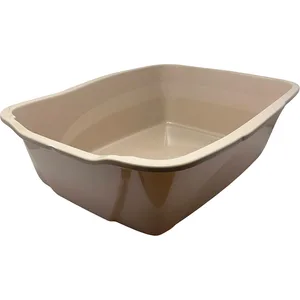
| Cat Litter Box, X-Large | Open pan | $17.90 | Most cats. Easy entry, and you can see what your cat left. |
| Enclosed Sifting Pan, Giant | Enclosed, sifting trays, flap door | $39.04 | You use a hard-clumping clay and want to skip the scoop. |
| EZ Clean Enclosed, Jumbo | Enclosed, jumbo | $44.70 | You have a big cat and want the box covered. |
| Trackless Top Entry, Large | Top entry | $27.73 | Tracking is the problem and your cat jumps easily. |
| Enclosed Corner, Large | Enclosed, corner | $24.69 | The only free spot in your home is a corner. |
How a sifting litter pan actually works
A sifting pan is three trays stacked inside each other. The middle one has holes or slots in it, and that is the whole mechanism.
- Stack the trays with the sieve tray in the middle and a solid tray underneath.
- Fill with litter to the usual depth of around three inches.
- To clean, lift the sieve tray straight up and give it a gentle shake.
- Clean litter falls through the holes into the solid tray below, and the clumps stay on the grate.
- Tip the clumps into the bin, restack, and you are done without touching a scoop.
- Rotate the trays so the one that was on top becomes the sieve next time.
The catch, and it is a real one. This only works if your litter forms clumps that are firmer than the holes are wide. A hard-clumping clay holds together through the shake. A soft-clumping lightweight or a crumbly natural litter breaks apart, falls through, and you end up with waste mixed back into clean litter, which is worse than scooping.
So the pan dictates the litter. If you want to sift, buy a standard-weight hard-clumping clay and accept the weight. If you are attached to a lightweight or a plant-based litter, buy a plain pan and a good scoop instead. Our best cat litter guide covers which clump hardest.
Non-clumping litter is the other case that fails, for the opposite reason: nothing forms a clump to catch, so the sieve catches only solids and the urine stays in the litter. Sifting pans were designed in a non-clumping era for exactly that job, which is why the format still exists, but with modern clumping litter it is a hard-clump-only technique.
Which Van Ness box for which cat
The range covers four formats, and choosing between them is mostly about your cat’s age, size and habits rather than your preferences.
| Open pan | Enclosed | Top entry | Sifting | |
|---|---|---|---|---|
| Tracking | Most | Less | Least | Same as open |
| Odour for the cat | Disperses | Concentrated | Concentrated | Depends on lid |
| Suits an older cat | Yes | Usually | No | Yes |
| Lets you see the waste | Yes | Lid off | Lid off | Yes, when you lift |
| Scooping effort | Normal | Normal | Normal | Lowest, if litter suits |
| Needs specific litter | No | No | No | Hard-clumping only |
Size beats format every time. A litter box should be at least one and a half times your cat’s length from nose to tail base. Most boxes sold are smaller than that, which is why the Jumbo and X-Large options are the ones worth paying attention to in any range. The ASPCA covers box setup and litter box problems.
And count matters as much as size. One box per cat plus one, in different locations. Two boxes side by side read as one place to a cat; the point of the spare is somewhere else to go when the first is occupied, dirty, or guarded by a housemate. Our Petmate review covers the sizing rule in more detail.
Are litter box liners a good idea?
Van Ness sells liners for most of its pans, and opinion on them is more divided than the packaging suggests. Here is the honest version.
- They make emptying faster, which is the entire appeal and a legitimate one.
- Cats with enthusiastic digging habits shred them, and a shredded liner traps urine in the folds, which is worse than no liner at all.
- Claws catch in them, and some cats dislike the sensation enough to stop digging properly or to stop using the box.
- They can hide a cracked or scratched pan that should be replaced, since old scratched plastic holds odour permanently.
- With clumping litter they are largely unnecessary, because good clumps lift cleanly and the pan stays fairly clean anyway.
- They are genuinely useful with non-clumping litter, where the whole tray gets dumped regularly.
The practical position: if you use hard-clumping litter, skip the liners and wash the pan out properly when you change the litter. If your cat shreds them, stop immediately rather than persisting. And replace any plastic pan once it is visibly scratched, because scratches hold odour that no amount of cleaning removes and that is a reason cats abandon a box.
Which Van Ness should you buy?
Buy the X-Large open pan if you want the sensible cheap default, the EZ Clean Jumbo if you have a big cat and want the box contained, and the sifting pan only if you use a hard-clumping clay. The top-entry box is excellent for tracking and wrong for an older cat.
Skip the sifting pan if you use lightweight or plant-based litter. Compare litters in our best cat litter guide and see cats not using the litter box if yours has stopped.
Where I land
Plain, cheap, well-made plastic pans from a firm that has been doing nothing else for eighty years, in more formats than most brands bother with.
Buy bigger than you think, one box per cat plus one, and only buy the sifting pan if your litter clumps hard enough to survive the shake. Van Ness Cat Litter Box, X-Large is the one to start with. This article is educational rather than veterinary advice, and a cat straining without producing urine needs a vet the same day.
Van Ness litter pan questions
Q: How does a sifting litter box work?
It is three nested trays with a sieve tray in the middle. You lift the sieve straight up and shake gently, clean litter falls through the holes into the solid tray below, and the clumps stay on the grate to be tipped into the bin.
Q: Do sifting litter boxes work with clumping litter?
Only with hard-clumping litter. The clumps have to be firmer than the holes are wide to survive the shake. Soft-clumping lightweight and crumbly plant-based litters break apart and fall through, mixing waste back into the clean litter.
Q: Who makes Van Ness litter boxes?
Van Ness Pets, a family-owned American company that has been manufacturing cat litter pans and accessories since 1945.
Q: What size litter box does my cat need?
At least 1.5 times your cat’s length measured from nose to the base of the tail. Most litter boxes sold, including many labelled large, are smaller than the cat using them needs, which is why Jumbo and X-Large options matter.
Q: Are top-entry litter boxes worth it?
They are the most effective format for cutting tracking, because the cat climbs out over a grated lid that knocks granules off the paws. They are unsuitable for kittens, arthritic cats, and any cat that cannot jump comfortably.
Q: Should I use litter box liners?
With hard-clumping litter they are largely unnecessary, since good clumps lift cleanly. They genuinely help with non-clumping litter where the whole tray gets dumped. Stop using them if your cat shreds them, because a shredded liner traps urine in the folds.

Hello and welcome to The Ideal Cat!
We are some passionate cat owners from different professions. We love our cats and have a lot of experience in how to care for our pets. We are incredibly excited to share our knowledge, experience, and research with you. So you can take good care of your loving cat. We will answer most of the common questions about owning cats, taking care of them, etc. If you have any question contact with us. Thanks for visiting! Enjoy the content.