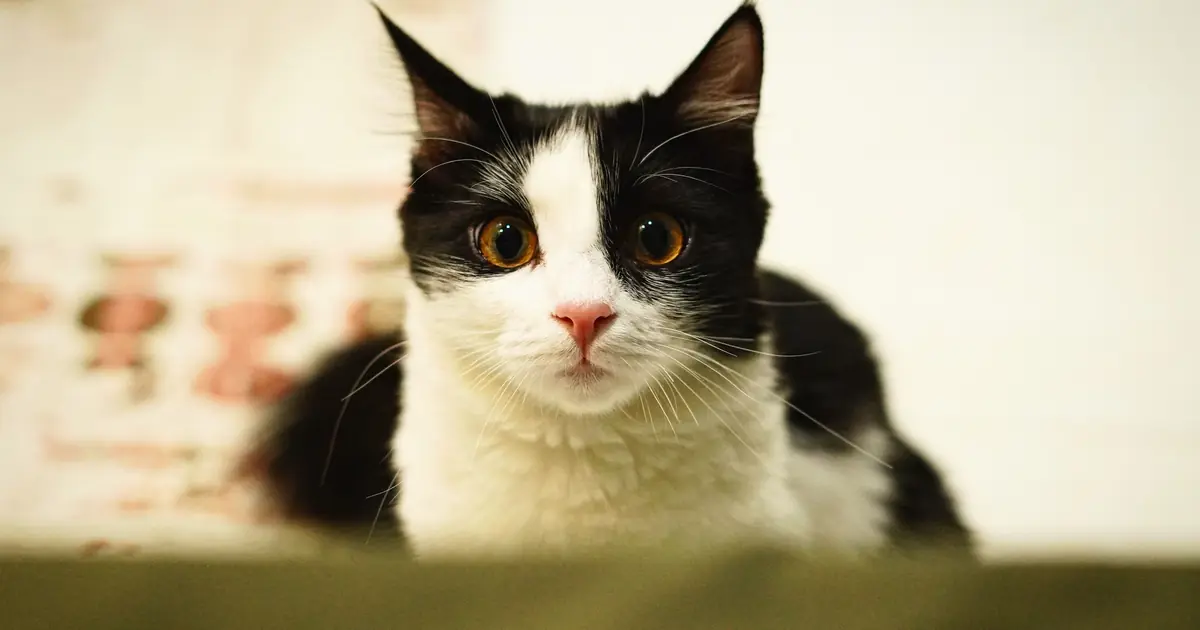
You’ve seen the videos. A cat is happily eating, someone sneaks a cucumber behind it, and the cat launches straight into the air like it just spotted a ghost. Millions of people have laughed at those clips. But here’s the thing: your cat isn’t playing along.
So why are cats afraid of cucumbers? The short version is that they’re not, at least not the vegetable itself. What you’re watching is a startle response, the same wiring that keeps a wild cat alive when something appears where nothing was a second ago. Once you understand what’s really happening, the “prank” stops being funny pretty fast.
- Cats aren’t scared of cucumbers specifically; they react to any strange object that appears suddenly and silently nearby.
- The reaction is a hardwired startle reflex left over from cats’ history as both predators and prey, not a fear of snakes.
- Placing the cucumber behind a cat while it eats is what makes the scare so intense, because the food bowl is supposed to be a safe zone.
- The cucumber prank causes real fear and stress, and repeated scares can lead to lasting anxiety or injury.
- To keep your cat calm, never startle it on purpose and introduce new objects slowly and in plain sight.
Why do cats freak out over cucumbers?
Cats freak out over cucumbers because a strange object suddenly appears close to them, and their brain treats anything unexpected as a possible threat. The cucumber isn’t the point. A pineapple, a shoe, or a rolled-up sock would get a similar jump.
Behavior experts at the Cornell Feline Health Center explain that cats simply don’t like being surprised. When a cat turns and sees something that wasn’t there moments ago, it assumes the object crept up on it. The safest move, from a survival standpoint, is to leap away first and ask questions later.
That flight-first instinct is normal. If you’ve ever watched your cat tear across the house after a small scare, you already know the sudden burst of nervous energy behind the zoomies. The cucumber jump is that same alarm system firing at full volume.
Are cats actually scared of cucumbers, or something else?
Cats are scared of the surprise, not the cucumber. The green shape sitting silently on the floor is just the trigger, not the real cause of the panic.
You’ll often hear that cucumbers look like snakes, and that cats have a built-in fear of snakes. That theory doesn’t really hold up. Cats don’t have a natural terror of snakes; plenty of cats actually hunt them. What cats dislike is novelty that shows up without warning. A curled green cucumber might vaguely resemble a snake to us, but to your cat it’s simply an unfamiliar thing that materialized too close for comfort.
The ASPCA notes that fear-based reactions in cats are usually about a perceived threat rather than the specific object involved. In other words, your cat isn’t thinking “snake.” It’s thinking “something is here and I didn’t see it arrive.”
What is the feline startle reflex?
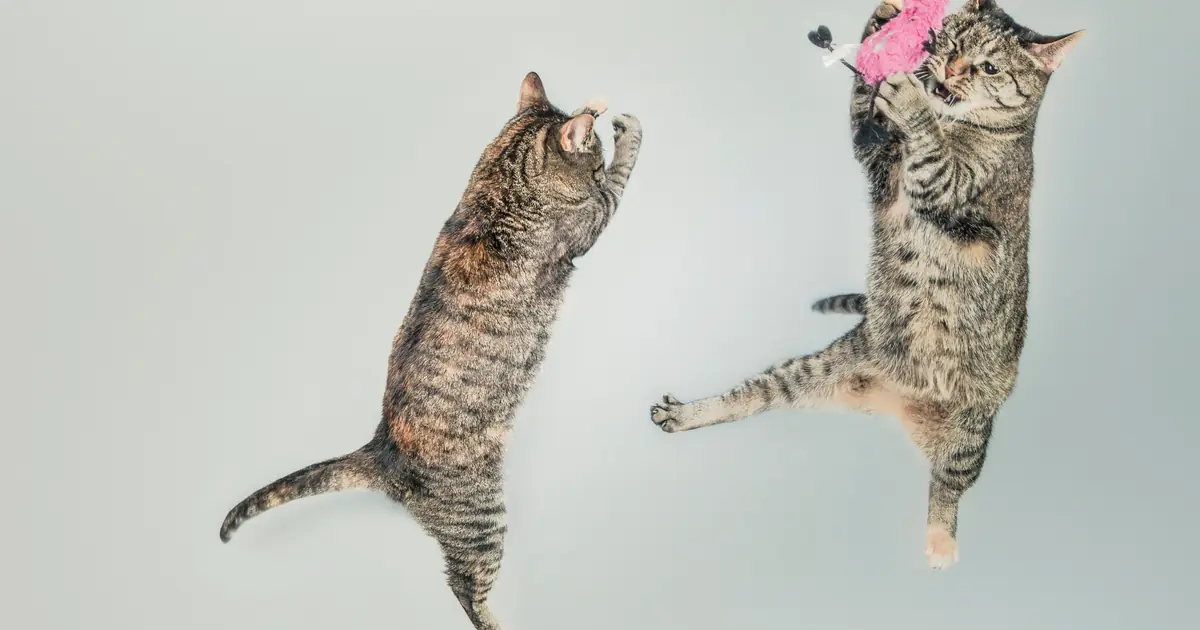
The feline startle reflex is an automatic, split-second flight response that fires before a cat can consciously identify what it’s seeing. It’s designed to move the cat to safety faster than thought.
Cats live a double life in nature. They’re skilled hunters, but they’re also small enough to be prey for bigger animals. That combination built a nervous system tuned to react instantly to anything sudden. The reflex kicks in in a fraction of a second, well before the brain confirms whether the object is dangerous. By the time your cat lands and stares at the cucumber, its body has already done the math: jump now, evaluate later.
This is also why the reaction looks so dramatic. Your cat isn’t mildly curious. Its whole body has committed to escaping a threat it hasn’t even seen clearly yet. Learning to read your cat’s body language, the flattened ears, wide eyes, and puffed tail, helps you spot genuine fear versus playful surprise.
Why does placing the cucumber behind them while eating make it worse?
Placing a cucumber behind a cat while it eats makes the scare far worse because the food bowl is supposed to be one of the safest, most relaxed spots in your cat’s world. A threat appearing there breaks a basic sense of security.
When cats eat, they’re vulnerable. Their head is down, their focus is narrow, and their guard drops. In the wild, that’s exactly when a cat would want to know nothing is sneaking up behind it. So when your cat lifts its head and finds a strange object suddenly parked in its blind spot, the alarm is instant and huge.
There’s a second problem. You’re teaching your cat that its feeding area is unpredictable and possibly dangerous. Some cats start approaching their bowls nervously, eating less, or refusing to eat in that spot at all. A place that should feel safe now feels like a trap.
Is scaring cats with cucumbers harmful?
Yes, scaring cats with cucumbers is harmful. It causes real stress, and repeated scares can lead to lasting anxiety, behavior changes, and even physical injury.
Let’s be clear about the point of view here: don’t do the cucumber prank. What reads as funny to us is genuine fear for your cat. A single big scare floods the body with stress hormones. Do it over and over and you risk a jumpy, anxious cat who never fully relaxes at home. International Cat Care stresses that chronic stress harms a cat’s wellbeing and can trigger both behavior and health problems.
There’s a physical risk too. A panicked cat leaping blindly can crash into furniture, knock things over, slip on the floor, or hurt itself trying to escape. And the emotional fallout can linger. Fear can spill over into sudden aggression, hiding, litter box trouble, or the quieter, longer-term signs of stress and low mood. None of that is worth a few seconds of video.
| The myth | What’s really going on |
|---|---|
| Cats are afraid of cucumbers | Cats react to any strange object that appears suddenly and silently |
| Cucumbers look like snakes to cats | Cats don’t have a built-in snake fear; many cats hunt snakes |
| The cat is just being dramatic and it’s harmless | The cat is genuinely frightened, and repeated scares cause real stress |
| Only cucumbers cause this | Any unexpected object placed in a blind spot triggers the same jump |
| It’s a fun game the cat enjoys | It’s a survival reflex, not play, and it can lead to anxiety or injury |
How can I avoid stressing my cat like this?
To avoid stressing your cat, never startle it on purpose, keep its feeding area calm and predictable, and introduce anything new slowly where your cat can
see it.
A few simple habits go a long way:
- Skip the scare pranks entirely. No cucumbers, no jump-scares, no sneaking up. Your cat’s trust is worth more than a viral clip.
- Protect the food zone. Feed your cat in a quiet, low-traffic spot where it can eat with its back to a wall and see the room.
- Introduce new objects in plain sight. Set a new item down where your cat can watch and sniff it, rather than placing it in a blind spot.
- Give safe hideaways. A box, a covered bed, or a high perch lets an anxious cat retreat and self-soothe.
- Consider calming support for jumpy cats. If your cat is already on edge, a pheromone diffuser can help create a calmer environment.
If your cat stays fearful, hides constantly, or shows a sudden change in behavior after a scary event, check in with your veterinarian. This article is educational, and a licensed vet can rule out other causes and help with an anxiety plan. Real, lasting calm comes from feeling safe, and understanding why cats seem afraid of cucumbers is the first step toward not putting your cat through it.
Frequently asked questions about cats and cucumbers
Q: Are cats really afraid of cucumbers?
No, cats aren’t afraid of cucumbers specifically. They’re reacting to a strange object that appears suddenly and silently nearby, which triggers a hardwired startle-and-flee reflex. A shoe or a pineapple placed the same way would get a similar jump.
Q: Do cats think cucumbers are snakes?
Probably not. The popular snake theory doesn’t hold up well, because cats don’t have a natural fear of snakes and many cats actually hunt them. Cats react to the sudden, unexpected appearance of a novel object, not to a snake-like shape.
Q: Why do cats jump so high when they see a cucumber?
Cats jump because of the startle reflex, an automatic flight response that fires in a split second, before the brain identifies the object. The reflex commits the whole body to escape first and evaluate later, which is why the leap looks so dramatic.
Q: Is the cucumber prank bad for cats?
Yes, the cucumber prank is bad for cats. It causes genuine fear and a rush of stress hormones, and repeated scares can lead to lasting anxiety, feeding problems, or physical injury from a panicked leap. Behavior experts recommend never doing it.
Q: Why is the cucumber usually placed behind the cat during meals?
The prank targets mealtime because a cat’s guard is down while it eats, with its head lowered and focus narrowed. A threat appearing in that blind spot feels especially alarming, and it can make the cat see its food area as unsafe.
Q: Can scaring my cat cause long-term behavior problems?
Yes. Repeated frightening events can escalate a cat’s anxiety and lead to hiding, aggression, litter box issues, or a jumpy, on-edge temperament. Chronic stress also harms a cat’s overall wellbeing, so a startled cat that never relaxes may develop lasting problems.
Q: My cat got scared by something and now seems anxious. What should I do?
Give your cat quiet safe spaces to retreat, keep routines calm and predictable, and avoid any further scares. If the anxiety, hiding, or behavior changes continue, contact your veterinarian, who can rule out other causes and suggest a calming plan.
Q: Are some cats more sensitive to sudden surprises than others?
Yes. Naturally nervous, shy, or already-stressed cats tend to react more strongly to sudden objects and noises. Cats that feel secure and have safe hideaways usually recover faster, while anxious cats may stay on edge longer after a scare.

Hello and welcome to The Ideal Cat!
We are some passionate cat owners from different professions. We love our cats and have a lot of experience in how to care for our pets. We are incredibly excited to share our knowledge, experience, and research with you. So you can take good care of your loving cat. We will answer most of the common questions about owning cats, taking care of them, etc. If you have any question contact with us. Thanks for visiting! Enjoy the content.
