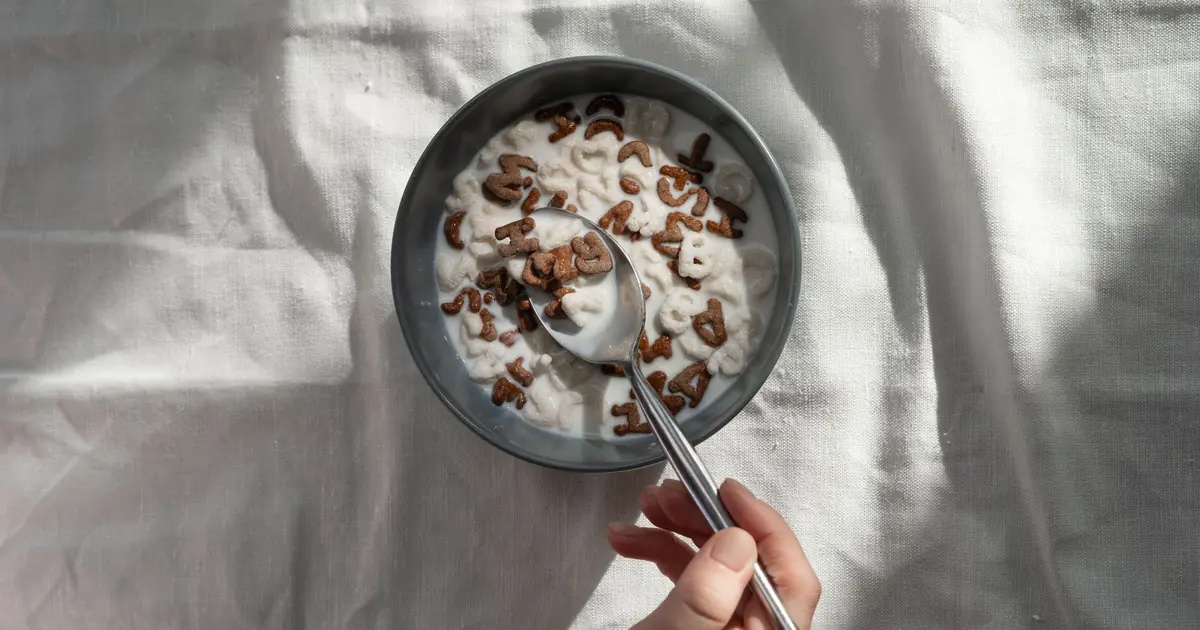
Picture this. You’re eating breakfast, half awake, and a single Cheerio rolls off the spoon onto the floor. Before you can blink, your cat has pounced on it like it’s live prey. Now you’re standing there wondering: can cats have Cheerios, or did you just hand over something you’ll regret?
Take a breath. A plain Cheerio or two is not going to hurt your cat. It’s not toxic, and it’s low in sugar. But here’s the honest truth: Cheerios do nothing for a cat. They’re an empty little crunch, not a treat with any benefit behind it. Let’s walk through when a Cheerio is harmless, when it’s a bad idea, and what your cat would actually thank you for instead.
- Plain Cheerios are not toxic to cats, so one or two as a rare nibble won’t cause harm.
- Cats are obligate carnivores and get zero nutritional benefit from cereal grains or carbs.
- Cats can’t taste sweetness at all, so flavored cereal is wasted on them.
- Honey Nut Cheerios add sugar and nut flavoring, and Chocolate Cheerios are toxic thanks to theobromine.
- Most adult cats are lactose intolerant, so never serve Cheerios floating in milk.
Can cats have Cheerios safely?
Plain Cheerios are safe for cats in tiny amounts, meaning one or two, on rare occasions. Plain Cheerios are made mostly of whole grain oats with very little sugar and no ingredients that are toxic to cats. So if your cat swipes one off the floor, there’s no need to panic or call anyone.
The key word is plain. And the key idea is occasional. A Cheerio is a novelty crunch, not food. Cats do fine with the odd human nibble now and then, the same way you might have a question about whether they can have dog treats in a pinch. The answer for both is similar: harmless once in a while, pointless as a habit. For a snack your cat truly benefits from, look at what goes into the food cats should actually eat instead.
Why don’t cats need cereal at all?
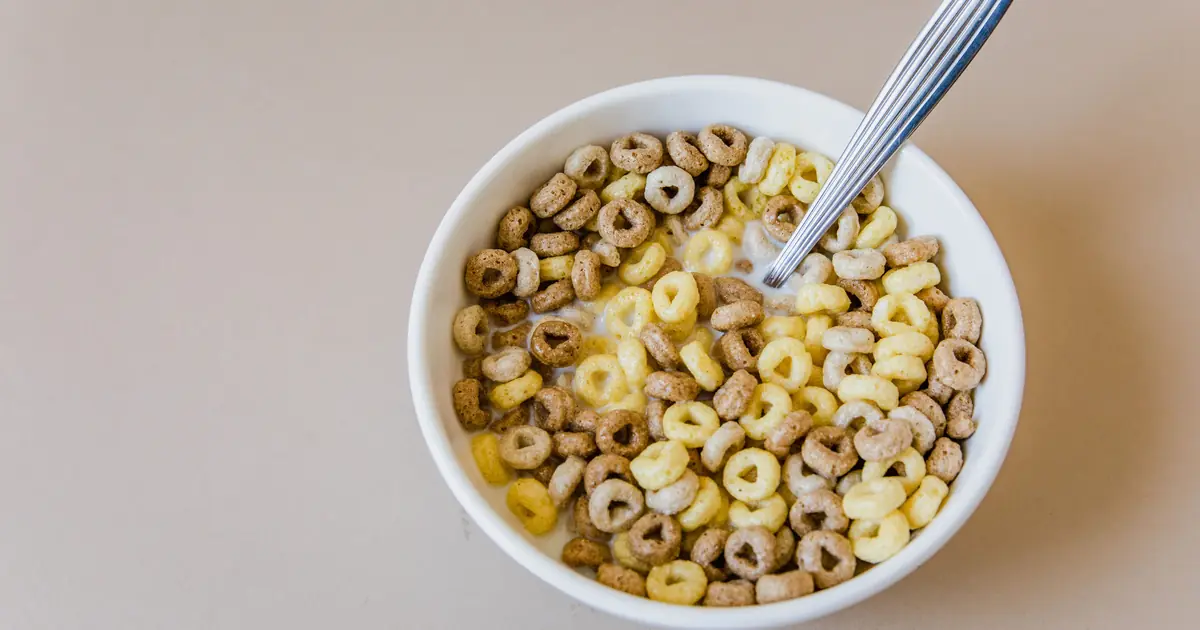
Cats don’t need cereal because they’re obligate carnivores, meaning their bodies are built to run on meat, not grains. An obligate carnivore gets every nutrient it needs, protein, fat, taurine, and vitamins, from animal tissue. Cereal grains like the oats in Cheerios just don’t fit that picture.
Here’s the part that surprises people. Cats can’t taste sweetness. The gene for the sweet receptor on a cat’s tongue, called Tas1r2, stopped working millions of years ago when their ancestors went full carnivore, as documented in research published by the National Library of Medicine. So the mild sweetness that makes cereal appealing to us? Your cat literally cannot detect it. When a cat begs for a Cheerio, they’re chasing the crunch and the fact that you have it, not the flavor.
Load a cat up on carbs they don’t need and you’re mostly adding empty calories. Do that daily and it nudges them toward weight gain. For a deeper look at feline nutrition, the ASPCA’s nutrition guidance is a solid, trustworthy read.
What about the milk people serve with cereal?
Skip the milk. That’s the firm answer. Most adult cats are lactose intolerant, so the bowl of milk that Cheerios usually swim in is the bigger problem here, not the cereal itself.
Kittens make an enzyme called lactase that breaks down the lactose in their mother’s milk. As cats grow up, lactase production drops off, because they no longer need milk. Without enough lactase, the lactose sits undigested in the gut, ferments, and leads to gas, bloating, loose stool, and an upset tummy. That’s why a saucer of milk, cute as it looks, often ends in a mess. If your cat already deals with a sensitive stomach or throws up after eating, dairy and carbs are exactly the kind of thing that can set it off.
So if you ever share a dry Cheerio, keep it dry. No milk, no cream, no “just a little splash.”
Which Cheerio flavors should you avoid?
Avoid every flavored Cheerio and stick only to plain if you share at all. Flavored varieties add sugar, fat, or ingredients that range from useless to genuinely dangerous for cats.
Honey Nut Cheerios pack in added sugar and honey, plus nut flavoring often derived from almonds. Cats don’t need that sugar, and the extra fat and flavoring can upset their stomach. Chocolate Cheerios are the real red flag. Chocolate contains theobromine, a compound cats can’t process well, and it’s toxic to them even in small amounts. Frosted, apple cinnamon, and other sweetened versions all pile on sugar your cat can’t even taste. None of it does a thing for them.
| Cheerio Type | Safe for cats? | Why |
|---|---|---|
| Plain Cheerios | Safe in tiny amounts | Low sugar, not toxic, but zero nutrition for cats |
| Honey Nut Cheerios | Best avoided | Added sugar, fat, and nut flavoring can upset the stomach |
| Chocolate Cheerios | No, keep away | Chocolate contains theobromine, which is toxic to cats |
| Frosted or fruit-flavored | No | High sugar cats can’t taste and don’t need |
| Cheerios in milk | No | Most cats are lactose intolerant, so milk causes digestive upset |
How many Cheerios is too many, and what about kittens?
One or two plain Cheerios is the ceiling, not a serving suggestion, and a whole bowlful is too many. A few plain Cheerios spread across the week won’t cause trouble for a healthy adult cat. A pile of them, or cereal offered daily, adds empty carbs and calories that push toward obesity over time.
Kittens deserve extra caution. A dry Cheerio is small, but for a tiny kitten it’s still a choking-size ring, and their digestive systems are more delicate than an adult’s. If you want to share a nibble, break it into pieces and keep it to a crumb. Honestly though, kittens have precise nutritional needs, and there’s no reason to spend those calories on cereal.
Cats with diabetes, weight issues, or a sensitive gut should skip Cheerios entirely. The carbs simply aren’t worth it for them.
What should you give your cat instead?
Give your cat treats made for cats, not cereal. If your goal is a happy crunch-and-reward moment, there are far better options that actually support feline health instead of just filling space.
Freeze-dried meat treats, a little cooked plain chicken, or purpose-made cat treats give your cat protein they can use and flavors they can actually enjoy. Browse the better treats than cereal guide for ideas your cat will genuinely love. The reasoning is simple: treats should either taste good to a carnivore or do something good for their body. A Cheerio does neither. For more on building a cat-appropriate diet, PetMD’s nutrition resources break it down well.
What to do and when to call the vet
If your cat ate a plain Cheerio or two, do nothing, they’re fine. If they got into Chocolate Cheerios, a large amount of any cereal, or Cheerios soaked in milk and then show vomiting, diarrhea, lethargy, restlessness, or a racing heart, call your vet or an emergency line right away. Theobromine toxicity is time-sensitive.
This article is educational and isn’t a substitute for veterinary advice. When in doubt about anything your cat ate, your vet, or a resource like the Cornell Feline Health Center, is your best next step.
Frequently asked questions about cats and Cheerios
Q: Can cats eat plain Cheerios?
Cats can eat one or two plain Cheerios safely on rare occasions. Plain Cheerios are low in sugar and not toxic, but they offer cats no nutritional value. Treat them as an occasional crunchy nibble, never as a real treat or meal replacement.
Q: Are Honey Nut Cheerios bad for cats?
Honey Nut Cheerios are best avoided for cats. They contain added sugar, honey, and nut flavoring that cats don’t need and can’t taste. The extra sugar and fat can upset a cat’s stomach and contribute to weight gain over time.
Q: Are Chocolate Cheerios toxic to cats?
Yes, Chocolate Cheerios can be toxic to cats. Chocolate contains theobromine, a compound cats cannot process safely, and it’s harmful even in small amounts. Keep all chocolate-flavored cereal away from your cat and call your vet if they eat any.
Q: Can cats have Cheerios with milk?
No, cats should not have Cheerios with milk. Most adult cats are lactose intolerant and can’t digest the lactose in cow’s milk. Milk often causes gas, bloating, and diarrhea, so keep any shared Cheerio completely dry.
Q: Why do cats like Cheerios if they can’t taste sweetness?
Cats like Cheerios for the crunch and the texture, not the flavor. Cats can’t taste sweetness because the sweet-receptor gene stopped working in their ancestors millions of years ago. When a cat begs for a Cheerio, they’re usually curious and want what you’re eating.
Q: How many Cheerios can a cat eat?
A cat should eat no more than one or two plain Cheerios at a time, and only occasionally. A whole bowlful adds empty carbs and calories that can lead to weight gain. Cats with diabetes or sensitive stomachs should skip Cheerios entirely.
Q: Can kittens eat Cheerios?
Kittens should generally not eat Cheerios. A dry Cheerio ring is a choking-size piece for a tiny kitten, and their digestive systems are delicate. Kittens have specific nutritional needs, so it’s better to spend their calories on food and treats made for them.
Q: Do Cheerios have any health benefits for cats?
No, Cheerios have no health benefits for cats. Cats are obligate carnivores and get all their nutrients from meat, not grains or carbs. A plain Cheerio is harmless in tiny amounts but nutritionally empty, so cat-specific treats are always the better choice.

Hello and welcome to The Ideal Cat!
We are some passionate cat owners from different professions. We love our cats and have a lot of experience in how to care for our pets. We are incredibly excited to share our knowledge, experience, and research with you. So you can take good care of your loving cat. We will answer most of the common questions about owning cats, taking care of them, etc. If you have any question contact with us. Thanks for visiting! Enjoy the content.
