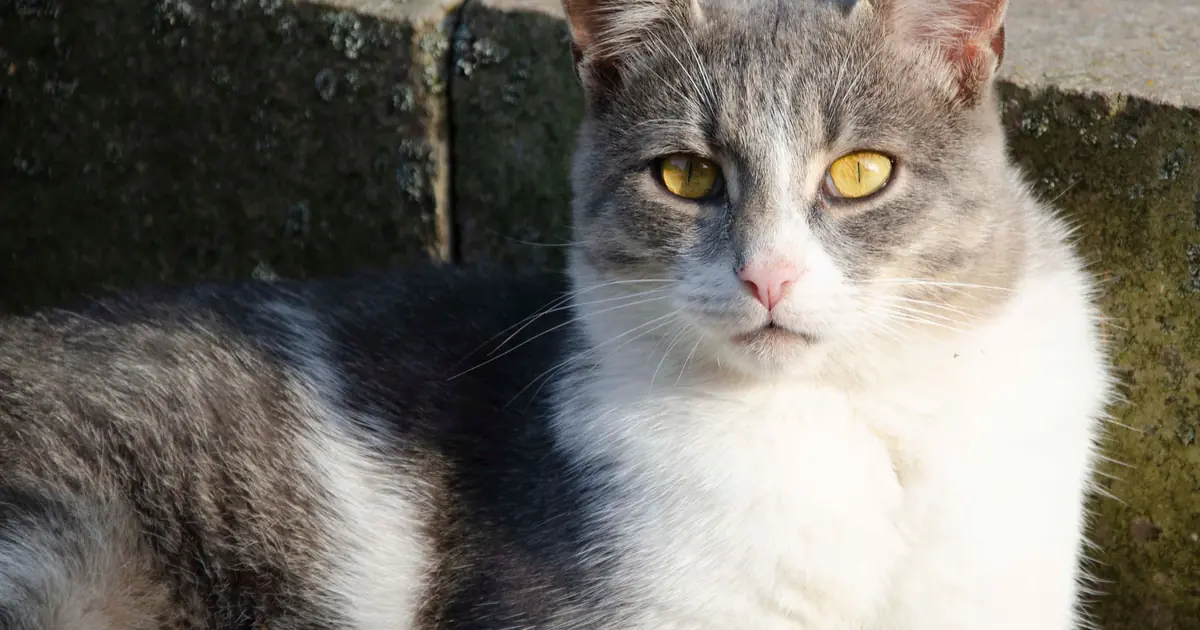
Your cat is lounging on the couch, totally relaxed. Then the skin on her back starts rippling like water. She whips around, bites at her tail, yowls, and tears off down the hallway. If you’ve watched this and thought, “Wait, can cats have Tourettes?”, you’re not alone. Those sudden, jerky movements really can look like a tic.
Here’s the honest answer: cats can’t have Tourette syndrome, because it’s a human diagnosis. But that doesn’t mean the twitching is nothing. Cats can show tic-like, involuntary movements and odd vocal outbursts, and there are real feline reasons behind them. Some are harmless quirks. Others, like feline hyperesthesia syndrome or focal seizures, need a vet’s eyes.
- Tourette syndrome is a human neurological disorder involving vocal and motor tics, and it has no diagnosed equivalent in cats.
- Cats can show sudden, repetitive, tic-like twitching and vocalizations, but these come from feline causes, not Tourette’s.
- Feline hyperesthesia syndrome (twitchy cat syndrome) is the closest look-alike, causing rippling skin, sudden twitching, frantic grooming, and vocal outbursts.
- Other causes of tic-like movement include focal seizures, pain, neurological conditions, and normal REM sleep twitching.
- Repeated involuntary movements, especially with disorientation or self-injury, need a veterinary exam to rule out seizures or hyperesthesia.
Can cats actually have Tourette’s syndrome?
No, cats cannot have Tourette syndrome. Tourette’s is a human neurological disorder defined by involuntary vocal and motor tics, and it’s diagnosed in people based on human symptoms and criteria. There’s no feline version of it, and no vet diagnoses a cat with Tourette’s.
Human neurological and psychiatric labels don’t map neatly onto cats. It’s a bit like asking whether cats can be autistic or whether cats can have ADHD. Cats have their own brains and their own conditions. So when your cat twitches or makes a weird sound, the useful question isn’t “is this Tourette’s?” It’s “what feline thing is going on here?”
What do tic-like movements in cats actually look like?
Tic-like movements in cats are sudden, brief, repetitive actions that seem involuntary, meaning your cat doesn’t appear to choose them. They can look startling, but they’re a symptom, not a diagnosis. Naming what you’re seeing helps your vet find the cause faster.
Cat parents usually describe a handful of behaviors that feel “ticcy”:
- Skin rippling or rolling along the back, like a wave passing under the fur.
- Sudden head, ear, or facial twitches that repeat.
- Tail lashing or tail chasing that seems to switch on out of nowhere.
- Repetitive vocal outbursts: odd meows, yowls, or chirps that don’t match the situation.
- Frantic grooming or biting at one spot, often the back or flank.
- Zoomies with a jerky, driven quality, where your cat looks almost spooked by her own body.
One or two of these now and then? Often just cat life. A repeating pattern, especially in short bursts, is worth writing down for your vet. If reading feline movements feels like a foreign language, our guide to cat body language helps you tell relaxed from stressed.
Is feline hyperesthesia syndrome the closest thing to “cat Tourette’s”?
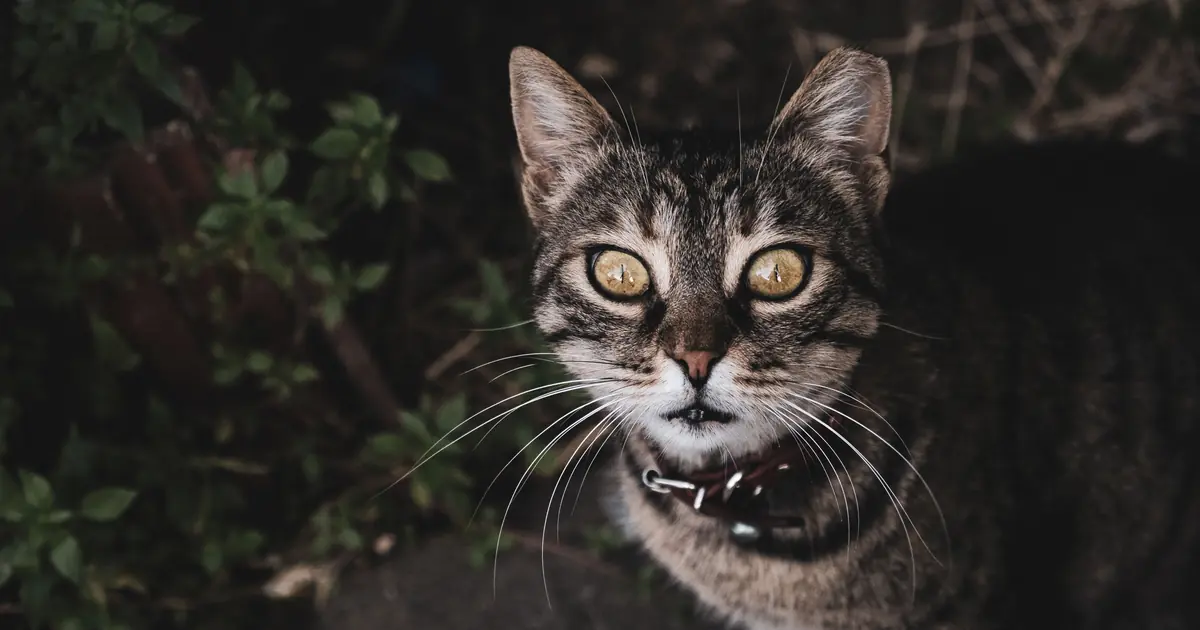
Yes, feline hyperesthesia syndrome (FHS) is the condition most likely behind tic-like behavior that looks Tourette-ish. FHS, nicknamed “twitchy cat syndrome” or “rolling skin syndrome,” makes a cat’s skin extremely sensitive, triggering episodes of twitching, frantic grooming, and sudden vocal or physical outbursts.
During an episode, the skin along the lower back ripples or rolls, the pupils dilate, and the cat may frantically lick, bite, or chase her tail, then dash off yowling. Episodes are usually short, often about 20 to 30 seconds, and cats typically snap back to normal afterward. According to the Cornell Feline Health Center, hyperesthesia is still not fully understood and is thought to involve neurological, dermatological, or behavioral factors.
Here’s my honest take: FHS is often a diagnosis of exclusion. Your vet first rules out skin problems, fleas, allergies, and pain that mimic it. There’s no single cure, but many cats do well once the trigger is managed, and some benefit from medication a vet prescribes. Don’t panic. Just get a real look instead of guessing.
What else causes tic-like twitching and outbursts in cats?
Tic-like twitching in cats has several possible causes beyond hyperesthesia, and they range from completely normal to genuinely serious. Knowing the usual suspects helps you describe episodes accurately and decide how urgently to act.
- Focal seizures: A focal (partial) seizure affects one part of the body and can cause repetitive facial twitching, chomping, drooling, or a “checked out” stare. These are neurological and need a vet.
- Other neurological conditions: Nerve issues, brain inflammation, or spinal problems can trigger involuntary movements.
- Pain: A sore back, arthritis, dental pain, or an itchy skin condition can make a cat twitch, flinch, or over-groom one area.
- Dreaming twitches: Paw, whisker, and tail twitches during sleep are normal REM activity. We break this down in why your cat twitches in her sleep.
- Stress and anxiety: Tension can show up as tail flicking, skin twitching, or sudden bursts of frantic energy.
- Normal quirks: Some cats are just dramatic. The occasional ear flick or random zoomie is part of the package.
The organization International Cat Care is a solid, non-alarming resource for understanding feline behavior and health while you gather details for your vet.
How can I tell a normal cat quirk from something to check?
You can usually tell a harmless quirk from a red flag by watching the pattern, the duration, and whether your cat can be interrupted. Normal quirks are brief, occasional, and don’t hurt your cat. Concerning episodes repeat, escalate, or come with distress or disorientation.
A quick gut check: can you snap your cat out of it by saying her name or offering a toy? Normal zoomies and dreaming twitches stop easily. A seizure or full hyperesthesia episode often can’t be interrupted, and your cat may seem dazed afterward. The table below lines up the look-alikes against their likely cause.
| Tic-like behavior you see | Likely feline cause |
|---|---|
| Skin rippling on the back, then frantic grooming and a yowl | Feline hyperesthesia syndrome |
| Repetitive facial twitching, chomping, or drooling with a blank stare | Focal seizure (needs a vet) |
| Paw, whisker, or tail twitching only while asleep | Normal REM sleep / dreaming |
| Flinching, over-grooming, or biting one spot when touched | Pain, skin irritation, or fleas |
| Tail flicking and restlessness in tense situations | Stress or anxiety |
| Brief random zoomies, easily interrupted | Normal cat behavior |
When should tic-like movements in cats see a vet?
Repeated involuntary movements in cats should be checked by a veterinarian, because tic-like twitching can signal feline hyperesthesia syndrome, focal seizures, pain, or other neurological problems. This article is educational and not a substitute for a hands-on exam, so please treat a licensed vet as your real source of answers.
Book a vet visit soon if the twitching is repeating or getting worse. Call your vet right away, or head to an emergency clinic, if your cat shows any of these red flags:
- Episodes that look like seizures: stiffening, jerking limbs, collapse, or paddling.
- Loss of awareness, disorientation, or dazed behavior after an episode.
- Self-injury, like biting the tail or flank hard enough to break skin.
- Twitching paired with drooling, wobbliness, or trouble walking.
- Multiple episodes in a single day, or episodes that keep growing longer.
A short phone video of an episode is one of the most useful things you can bring. Cats rarely perform on cue at the clinic, and clear footage helps vets narrow down causes faster. Resources like VCA Animal Hospitals can help you understand the terms once your vet weighs in. You know your cat’s normal. Trust that.
The bottom line on cats and Tourette’s
So, can cats have Tourettes? No. Tourette syndrome is a human disorder with no feline version. But those sudden, tic-like twitches and vocal outbursts are real, and they usually trace back to feline hyperesthesia syndrome, a focal seizure, pain, or plain old dreaming. Watch the pattern, catch it on video, and let your vet rule out the serious stuff. It probably isn’t Tourette’s, but repeated involuntary movements always earn a proper look.
Frequently asked questions about cats and Tourette’s
Q: Can cats have Tourette syndrome?
No, cats cannot have Tourette syndrome. It’s a human neurological disorder involving vocal and motor tics and is diagnosed only in people. Cats can show tic-like twitching, but it comes from feline causes like hyperesthesia or seizures.
Q: Why does my cat suddenly twitch and run away yowling?
Sudden twitching, skin rippling, and yowling followed by a frantic dash is a classic sign of feline hyperesthesia syndrome. Episodes usually last about 20 to 30 seconds. Have your vet confirm it and rule out skin problems, pain, or seizures.
Q: What is twitchy cat syndrome?
Twitchy cat syndrome is a nickname for feline hyperesthesia syndrome, a condition where a cat’s skin becomes extremely sensitive. It triggers episodes of rippling skin, frantic grooming, tail chasing, and vocal outbursts. A vet diagnoses it after ruling out other causes.
Q: Are cat tics a sign of a seizure?
Some tic-like movements can be focal seizures, which affect one part of the body and may cause repetitive facial twitching, drooling, or a blank stare. Because seizures are neurological, any suspected seizure activity needs a veterinary exam.
Q: Is it normal for cats to twitch in their sleep?
Yes, twitching during sleep is normal. Cats move their paws, whiskers, and tails during REM sleep as they dream. Sleep twitches are brief and subtle. If your cat also twitches abnormally while awake, mention it to your vet.
Q: How is feline hyperesthesia syndrome treated?
Feline hyperesthesia syndrome is managed by treating the underlying trigger, reducing stress, and sometimes using medication a vet prescribes. There’s no single cure, but many cats live long, happy lives once episodes are controlled. Never medicate your cat without veterinary guidance.
Q: Should I video my cat’s twitching episodes?
Yes, recording an episode is one of the most helpful things you can do. Cats rarely show the behavior at the clinic, so a clear video helps your vet distinguish hyperesthesia, seizures, and normal behavior, leading to a faster, more accurate diagnosis.

Hello and welcome to The Ideal Cat!
We are some passionate cat owners from different professions. We love our cats and have a lot of experience in how to care for our pets. We are incredibly excited to share our knowledge, experience, and research with you. So you can take good care of your loving cat. We will answer most of the common questions about owning cats, taking care of them, etc. If you have any question contact with us. Thanks for visiting! Enjoy the content.
