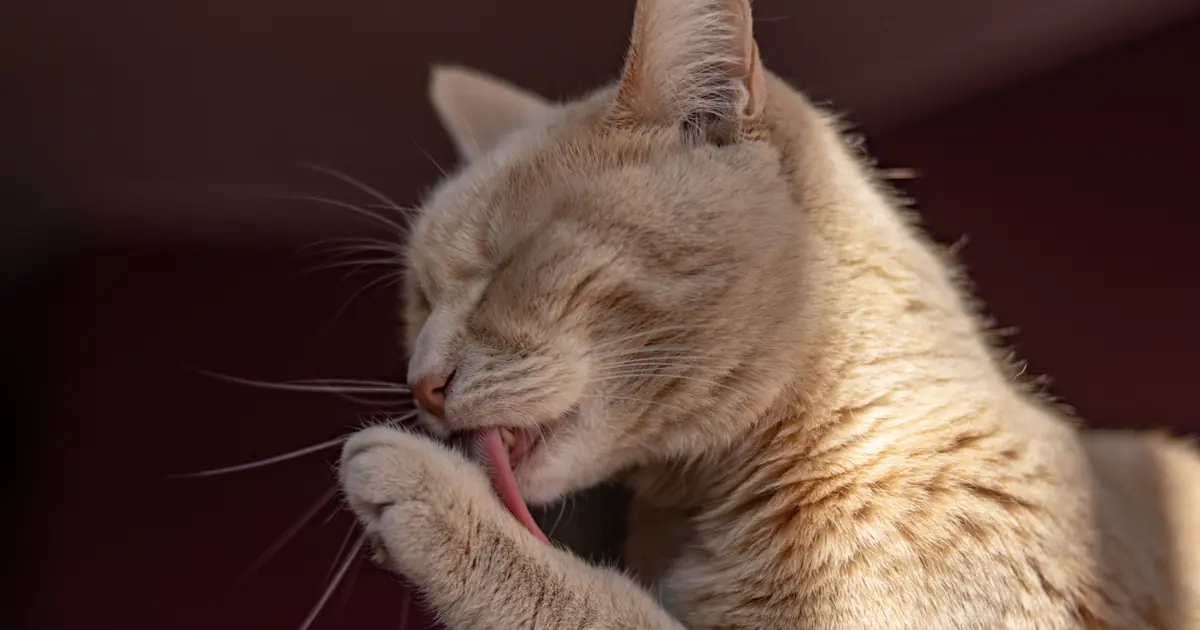
You’re staring at a muddy paw print on the couch, and there’s an open pack of baby wipes sitting right there on the counter. It’s tempting. They’re soft, they’re already damp, and they’re made for sensitive skin, so how bad could they be for your cat?
Here’s the thing: what’s gentle enough for a baby’s bottom isn’t automatically safe for your cat’s fur and skin. Cats have a habit that babies don’t: they lick everything you put on them. That single difference changes the whole safety picture, and it’s why vets and poison control lines get calls about this more often than you’d think.
- Baby wipes are not formulated or tested for cats and can leave behind fragrances, propylene glycol, or preservatives that irritate skin or upset the stomach if licked off.
- A cat’s skin has a more alkaline pH than human skin, so products balanced for people can disrupt a cat’s natural skin barrier.
- Cats groom constantly, so any residue left by a baby wipe usually ends up ingested within minutes.
- Cat-specific grooming wipes or a plain damp cloth with warm water are the safer choices for quick cleanups.
- If a cat swallows a piece of a baby wipe, it can cause choking or a blockage in the intestines, and that’s a reason to call your vet right away.
Are Baby Wipes Safe for Cats?
No, baby wipes are not safe for regular use on cats. They’re designed and tested for human infant skin, not feline skin, and they often contain ingredients cats shouldn’t lick or absorb. A one-time accidental swipe on a paw usually isn’t an emergency, but making baby wipes part of your normal cat-cleaning routine is a habit worth breaking.
Cats are fastidious groomers, and the ASPCA Animal Poison Control Center fields calls about everyday household products precisely because pets get exposed through licking, not just direct contact. A baby wipe swiped across your cat’s fur doesn’t stay on the fur. It ends up in your cat’s mouth.
What Ingredients in Baby Wipes Are Unsafe for Cats?
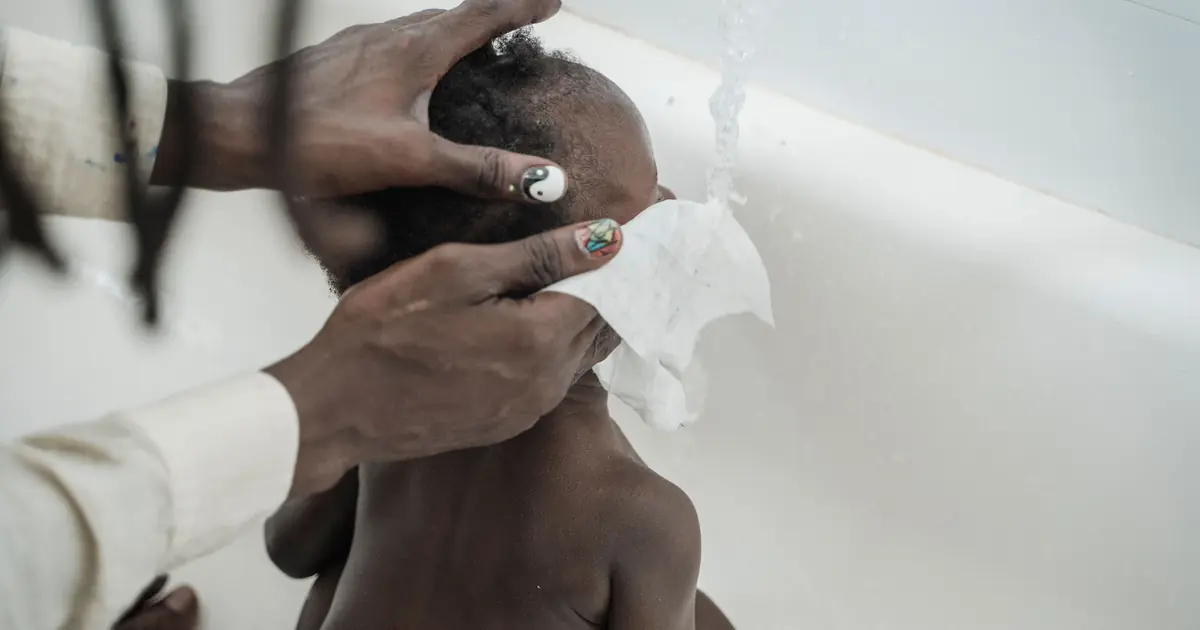
The main problem ingredients are fragrances, propylene glycol, alcohol, and preservatives like parabens, and none of them are meant to be swallowed. Cats swallow them anyway when they groom.
- Fragrances: synthetic scents can irritate a cat’s sensitive nose and skin, and some fragrance compounds are linked to respiratory irritation in cats.
- Propylene glycol: a common humectant that keeps wipes moist. It’s low toxicity in small amounts, but it has no business being licked off your cat’s coat repeatedly.
- Alcohol: some formulas include trace ethanol or isopropyl alcohol, which dries out and irritates skin, the opposite of what a cat prone to flaky skin needs.
- Preservatives and parabens: added to stop bacterial growth in the packaging, formulated for human skin contact, not feline ingestion.
- Essential oils: some “natural” wipes use tea tree or citrus oil for scent. Several essential oils are genuinely toxic to cats, and Cornell Feline Health Center notes cats lack certain liver enzymes that let dogs and people process plant compounds safely.
None of these are dangerous the way something like antifreeze is. But repeated, low-level exposure through grooming adds up, and there’s no upside to the risk when safer options exist.
Why Does a Cat’s Skin pH Matter Here?
A cat’s skin pH runs more alkaline than a baby’s, so products balanced for human skin can throw off a cat’s natural skin barrier. Human skin typically sits around pH 5.5, on the acidic side, while a cat’s skin runs closer to neutral to slightly alkaline, generally 6 to 7.5 depending on the body area.
Wipes formulated for baby skin are pH-balanced for babies, not cats. Regular use can strip natural oils and leave your cat more prone to dryness or irritation. If you’ve ever dealt with cat dandruff, the last thing you want is a product that makes flaky skin worse.
What About “Unscented” or “Natural” Baby Wipes?
Unscented or natural baby wipes are still not a good choice for cats. “Unscented” just means no perfume was added, not that the wipe is free of propylene glycol, preservatives, or a human-skin pH. “Natural” is trickier still, since it often means plant-derived essential oils, and those are exactly what vets warn about most.
Most cats prefer neutral smells anyway, which is part of why lavender and other scents can bother cats even when marketed as calming for people.
What Wipes or Cleaning Methods ARE Safe for Cats?
The safest options are cat-specific grooming wipes, a plain damp cloth with warm water, or a vet-recommended cleaning product made for feline skin. These skip (or are formulated without) the ingredients that make baby wipes a gamble.
| Option | Safety for Cats | Typical Ingredients | Best Use |
|---|---|---|---|
| Baby wipes | Not recommended | Fragrance, propylene glycol, preservatives, sometimes essential oils | Avoid; formulated for human infant skin, not feline skin |
| Cat-specific grooming wipes | Safe when used as directed | pH-balanced for cats, fragrance-free or cat-safe scent, no essential oils | Quick paw, coat, or hygiene wipe-downs between baths |
| Damp cloth with warm water | Safe | Water only | Everyday spot cleaning, muddy paws, minor messes |
A damp washcloth handles most everyday messes, a muddy paw or dried food on the chin, just fine. Cat-specific wipes earn their keep for cleaning around a senior cat’s rear end, freshening a coat between baths, or wiping down a cat who can’t groom well due to arthritis or obesity.
How Do You Safely Clean a Cat at Home?
Start with the gentlest option, a damp cloth, and only reach for something stronger if the mess calls for it.
- Wet a soft washcloth with warm (not hot) water and wring out the excess.
- Wipe the dirty area gently, working in the direction the fur grows.
- Avoid the eyes, ears, nose, and mouth entirely, and go slowly around the face.
- Dry the area with a clean towel so your cat doesn’t get chilled.
- If the mess is sticky, greasy, or smelly, use a cat-specific grooming wipe instead of plain water.
- Reward your cat with a treat or calm praise afterward, since most cats tolerate this better than a full bath.
If your cat fights you over a paw wipe-down, the same calm, short-session approach used for bathing a cat that hates water works well here too.
When Does a Cat Need More Than a Wipe-Down?
A cat needs a real bath or a vet visit when the mess involves something toxic, sticky, or widespread, or when the skin already looks irritated or broken. A quick wipe is fine for routine dirt, but it’s not a substitute for proper grooming or medical care. Call your vet or run a full bath instead if you notice:
- Your cat got into paint, oil, gum, or a chemical product
- The coat is matted, greasy, or dirty over a large area
- There’s visible redness, sores, or scabbing under the dirt
- Your cat smells unusually bad even after normal grooming, which can signal a skin or dental issue rather than surface dirt
If your cat’s day-to-day hygiene seems off, it helps to know why cats normally smell the way they do and how their grooming habits compare to dogs, since a sudden change is usually the real signal, not the dirt itself. For a deeper coat refresh beyond spot cleaning, the basics of grooming a cat at home cut down on how often you need to wipe or bathe in the first place.
What If Your Cat Licked or Ate a Baby Wipe?
If your cat licked residue off a baby wipe, mild stomach upset is the most likely outcome, and it usually passes on its own. If your cat chewed on or swallowed a piece of the wipe itself, that’s more urgent, since the material can cause choking or a blockage in the intestines that may need surgery to fix.
Watch for drooling, gagging, vomiting, reduced appetite, or lethargy after either kind of exposure. Baby wipes are usually polyester or a cotton-polyester blend, and those fibers don’t break down in the digestive tract the way food does.
Safety Note
This article is educational and isn’t a substitute for veterinary advice. If your cat has ingested a piece of a baby wipe, or shows drooling, vomiting, appetite loss, or lethargy after any wipe exposure, contact your veterinarian or an animal poison control line right away. Don’t try to induce vomiting or give any medication without a vet’s direction.
Frequently Asked Questions
Q: Can I use baby wipes on my cat’s paws?
It’s best not to make a habit of it. A damp cloth cleans muddy or dusty paws just as well without leaving behind fragrance or preservative residue your cat will lick off while grooming.
Q: Are unscented baby wipes safer for cats than scented ones?
They’re a slightly better choice but still not ideal. Unscented wipes skip the added fragrance, but they can still contain propylene glycol and preservatives, and they’re not pH-balanced for feline skin.
Q: Can baby wipes hurt a cat’s skin?
Yes, with repeated use. A cat’s skin sits at a different pH than a baby’s, so regular use of human wipes can dry out or irritate the skin over time, especially on cats already prone to dandruff or sensitivity.
Q: What can I use instead of baby wipes to clean my cat?
A damp washcloth with warm water handles most everyday messes. For things like cleaning around the rear end or freshening the coat between baths, cat-specific grooming wipes are formulated to be safe if a cat licks the area afterward.
Q: Is it toxic if my cat licks a baby wipe once?
A single lick of residue is unlikely to cause serious harm, and mild drooling or a brief stomach upset is the most common reaction. Watch your cat for a few hours, and call your vet if vomiting, lethargy, or loss of appetite shows up.
Q: Are flushable wipes or adult sensitive wipes any safer for cats?
No, they carry the same concerns as baby wipes. Adult and flushable wipes often use similar fragrance, preservative, and alcohol ingredients, and none of them are formulated with a cat’s skin pH or grooming habits in mind.
Q: Can I use baby wipes to clean my cat’s ears or face?
No, avoid using any baby wipe near the eyes, ears, nose, or mouth. These areas are sensitive and close to mucous membranes, where irritation and ingestion risk are highest. Use a vet-approved ear cleaner or a barely damp cloth instead.
Q: What happens if my cat eats a piece of a baby wipe?
Baby wipes are made from fibers that don’t dissolve in the digestive tract, so swallowing a piece can cause choking or a blockage in the intestines. Call your vet right away if you know or suspect your cat swallowed part of a wipe.

Hello and welcome to The Ideal Cat!
We are some passionate cat owners from different professions. We love our cats and have a lot of experience in how to care for our pets. We are incredibly excited to share our knowledge, experience, and research with you. So you can take good care of your loving cat. We will answer most of the common questions about owning cats, taking care of them, etc. If you have any question contact with us. Thanks for visiting! Enjoy the content.
