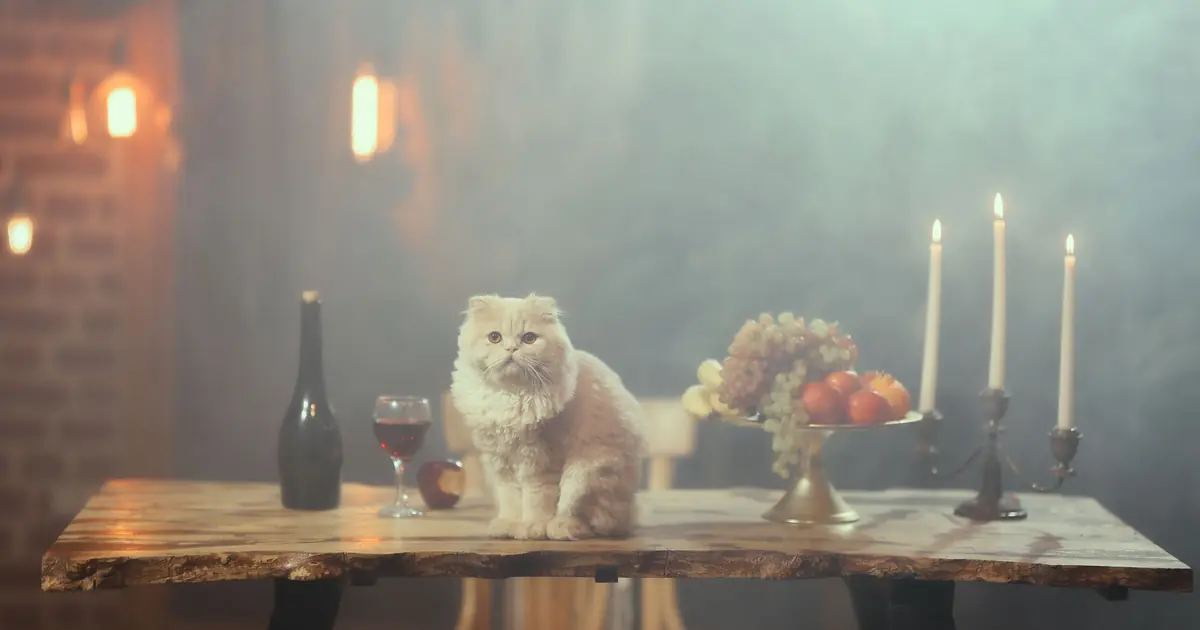
Maybe you left a glass of wine on the coffee table and turned around to find your cat sniffing it. Or your cat batted a beer can off the counter and now there’s a puddle on the floor. Your first thought is probably “did they drink any of that?” It’s a fair thing to worry about.
Here’s the short version: cats absolutely can get drunk, but unlike a person sleeping off a hangover, a cat with alcohol in its system is having a medical emergency. Cats are small, and their livers just aren’t built to break down ethanol. What looks like a funny, wobbly cat online is actually a cat in real danger. Let’s go through why alcohol is so risky for cats, where it hides in your house, what to watch for, and exactly what to do if your cat gets into it.
- Cats can get drunk, and alcohol poisoning in cats can be fatal even from small amounts.
- Cats lack the liver enzymes needed to break down ethanol efficiently, so alcohol stays in their system longer and hits harder than it would in a person.
- Alcohol hides in more than drinks: raw or rising bread dough, fermenting fruit, mouthwash, hand sanitizer, and some liquid medicines all contain ethanol.
- Signs of alcohol poisoning usually show up within 15 to 90 minutes and include vomiting, wobbliness, low body temperature, and slowed breathing.
- There’s no established safe dose of alcohol for a cat. Any suspected ingestion needs an emergency vet call right away.
Can Cats Get Drunk?
Yes, cats can get drunk, and it happens faster and at lower doses than most people expect. A cat’s body weight is a fraction of a human’s, so the same splash of wine or beer that barely registers for you can be enough to intoxicate a cat. Alcohol depresses the central nervous system in cats just like it does in people, but cats have far less capacity to metabolize it safely. What starts as “drunk” behavior, stumbling, disorientation, sudden sleepiness, can progress into full alcohol poisoning within an hour. This isn’t a topic for a laugh. A cat that’s gotten into alcohol needs to be treated as an emergency, not watched with amusement.
Why Is Alcohol So Dangerous for Cats?
Alcohol is dangerous for cats mainly because their livers don’t have enough of the enzyme needed to break ethanol down. In people and some other animals, the liver processes alcohol using enzymes like alcohol dehydrogenase, clearing it from the bloodstream at a fairly steady rate. Cats produce very little of this enzyme, so ethanol lingers in their system much longer, building up in the blood and brain. Combine that with a cat’s small body size, and even a modest amount of alcohol becomes a concentrated dose relative to their weight. The result is that alcohol acts as a fast, powerful depressant on a cat’s brain and breathing, which is why VCA Animal Hospitals lists cats among the pets most sensitive to alcohol toxicity.
What Are the Hidden Sources of Alcohol Around the House?
Alcohol isn’t only a risk from drinks left on the counter. Plenty of everyday household items and foods contain enough ethanol to poison a cat if they’re licked, chewed, or lapped up. Raw bread dough is one of the sneakiest culprits: as yeast ferments and the dough rises, it produces ethanol, and a warm cat stomach can keep that fermentation going even after the dough is swallowed. Overripe or fermenting fruit on the counter, some liquid cold medicines, mouthwash, and hand sanitizer (which can be 60 to 90 percent ethanol) are all real risks too, according to the Pet Poison Helpline.
| Alcohol Source | Risk to Cats | Keep Away By |
|---|---|---|
| Beer, wine, liquor, cocktails | High: direct ethanol exposure from even a small lick or lap | Never leaving drinks unattended; clearing glasses right after use |
| Raw or rising bread dough | High: yeast keeps fermenting and producing ethanol, even in a warm stomach | Storing dough in a closed oven or high cabinet while it rises |
| Overripe or fermenting fruit | Moderate: natural sugars ferment into ethanol as fruit rots | Tossing spoiled fruit promptly, not leaving it out on counters |
| Mouthwash and some liquid medicines | Moderate to high, depending on ethanol concentration | Keeping bathroom cabinets closed and bottles capped tightly |
| Hand sanitizer | High: often 60 to 90 percent ethanol by volume | Storing sanitizer bottles up high, away from paws and curious noses |
| Alcohol-based perfumes and cleaning sprays | Moderate: ingestion risk if a cat licks a sprayed surface or fur | Letting sprayed surfaces dry fully before a cat can access them |
If you’re already careful about what your cat drinks day to day, this is a good reminder to think beyond the obvious. A lot of cat parents already know to skip giving their cat coffee or soda, but alcohol deserves the same caution, plus a wider eye on non-drink sources like dough and sanitizer.
What Are the Symptoms of Alcohol Poisoning in Cats?
Symptoms of alcohol poisoning in cats usually appear within 15 to 90 minutes of exposure and start with vomiting, drooling, and wobbliness before progressing to more serious signs. Early on, a cat may seem unusually sleepy, disoriented, or unsteady on their feet, almost like they’re stumbling around drunk. As the ethanol level in their blood rises, things can get much worse. Watch for these red-flag symptoms:
- Vomiting or drooling
- Wobbliness, stumbling, or loss of coordination
- Disorientation or acting unusually withdrawn
- Low body temperature (a cat that feels cold to the touch)
- Slow or shallow breathing
- Slowed heart rate or low blood sugar
- Tremors, seizures, or collapse into a coma-like state
Severe cases can lead to dangerously low body temperature, breathing failure, seizures, coma, and death, according to the Merck Veterinary Manual. If your cat shows any of these signs after possible alcohol exposure, don’t wait to see if it passes on its own.
How Much Alcohol Is Dangerous for a Cat?
There is no known safe amount of alcohol for a cat. Unlike some toxins where vets can point to a rough threshold, alcohol poisoning risk in cats depends on so many factors, the cat’s size, the alcohol concentration, how much was absorbed, that no reliable “safe dose” exists. Even a small lap of spilled wine or a curious taste of a cocktail can be enough to cause symptoms in a cat under ten pounds. The ASPCA Animal Poison Control Center treats every reported alcohol exposure in a pet as one that needs immediate attention, not a wait-and-see situation.
What Should You Do If Your Cat Drinks Alcohol?
If your cat drinks alcohol, call your vet or an animal poison control hotline immediately, even if your cat seems fine at first. Symptoms can take time to build, and by the point a cat looks seriously ill, the poisoning may already be advanced. Don’t try to make your cat vomit at home and don’t give them food, water, or anything else without veterinary guidance first, since some home remedies can make things worse or aren’t appropriate for a cat’s condition.
Here’s what to do, step by step:
- Move your cat away from the alcohol source right away.
- Note what your cat was exposed to and roughly how much (a rough amount and type of drink or product helps the vet).
- Call your regular vet, an emergency animal hospital, or an animal poison control line immediately.
- Follow their instructions exactly, this may mean bringing your cat in right away for monitoring and treatment.
- Watch for the red-flag symptoms above while you’re getting help, and report any changes as they happen.
Safety note: This article is educational and isn’t a substitute for veterinary care. Alcohol is toxic to cats and there’s no established safe amount, so any suspected ingestion is an emergency. If your cat has gotten into alcohol in any form, contact your veterinarian, an emergency animal hospital, or an animal poison control line right away rather than waiting to see if symptoms appear.
How Can You Prevent Alcohol Poisoning in Cats?
You can prevent alcohol poisoning in cats mostly by keeping drinks, dough, and alcohol-based products out of reach and out of habit. Cats are curious and don’t know a wine glass from a water bowl, so the responsibility falls on you to cat-proof the spaces where alcohol shows up. A few habits go a long way:
- Never leave drinks unattended on low tables or counters your cat can jump onto.
- Clear glasses, cans, and bottles as soon as you’re done with them.
- Keep rising bread dough covered and stored somewhere your cat can’t reach, like inside a closed oven (turned off, obviously).
- Store hand sanitizer, mouthwash, and liquid medicines in a latched cabinet.
- Toss overripe or fermenting fruit promptly instead of leaving it out on the counter.
- Skip sharing “just a taste” of any alcoholic drink with your cat, even as a joke.
While you’re being careful about alcohol, it’s worth a broader look at what’s safe to have around your cat. Plenty of cat parents also wonder about things like lavender around cats or whether incense is safe to burn near cats, and the same rule applies across the board: if you’re not sure, keep it away from your cat until you’ve checked.
Can Cats Have Any Alcohol at All?
No, cats should never be given any alcohol, in any amount, for any reason. There’s no version of beer, wine, or spirits that’s fine for a cat, and no “cat-safe” cocktail worth the risk. If you want to include your cat in a celebration, stick to cat-safe treats and skip anything with even a trace of alcohol in the recipe. It’s simply not worth gambling with your cat’s liver, brain, and breathing for the sake of a photo or a joke.
Frequently Asked Questions
Q: Can cats actually get drunk like people do?
Yes, cats can get drunk, but it’s far more dangerous for them than it is for a person. Cats lack the liver enzymes to break down ethanol efficiently, so even a small amount can cause serious alcohol poisoning within 15 to 90 minutes.
Q: What happens if my cat licks up spilled beer or wine?
Even a small lick or lap of beer or wine can cause symptoms in a cat, since there’s no established safe dose. Watch closely for vomiting, wobbliness, or unusual sleepiness, and call your vet or an animal poison control line right away if you notice any of these signs.
Q: Can raw bread dough get a cat drunk?
Yes, raw or rising bread dough can cause alcohol poisoning in cats. Yeast ferments as dough rises, producing ethanol, and that fermentation can keep going inside a cat’s warm stomach after they’ve swallowed it, adding to the danger alongside painful stomach bloating.
Q: How long does alcohol poisoning take to show up in cats?
Symptoms of alcohol poisoning in cats usually appear within 15 to 90 minutes of exposure. Early signs include vomiting, drooling, and wobbliness, which can progress to low body temperature, slowed breathing, and seizures if untreated.
Q: Is hand sanitizer dangerous for cats?
Yes, hand sanitizer is dangerous for cats because it’s often 60 to 90 percent ethanol by volume. A cat licking sanitizer off their paws or fur, or chewing into a bottle, can absorb enough alcohol to cause poisoning.
Q: What should I do if my cat drank alcohol and seems fine?
Call your vet or an animal poison control line immediately even if your cat looks fine, since symptoms of alcohol poisoning can take time to appear. Waiting until your cat looks sick can mean the poisoning has already progressed further.
Q: Can a small amount of alcohol kill a cat?
Yes, a small amount of alcohol can be fatal to a cat, especially in kittens or smaller cats. There’s no established safe threshold, and severe cases of alcohol poisoning in cats can lead to seizures, coma, and death without prompt veterinary treatment.
Q: Are some cats more at risk from alcohol than others?
Yes, kittens, senior cats, and cats with existing liver or kidney conditions face a higher risk from alcohol exposure. Their bodies have even less capacity to process ethanol, so the same amount that’s dangerous for an adult cat can be even more harmful for them.

Hello and welcome to The Ideal Cat!
We are some passionate cat owners from different professions. We love our cats and have a lot of experience in how to care for our pets. We are incredibly excited to share our knowledge, experience, and research with you. So you can take good care of your loving cat. We will answer most of the common questions about owning cats, taking care of them, etc. If you have any question contact with us. Thanks for visiting! Enjoy the content.
