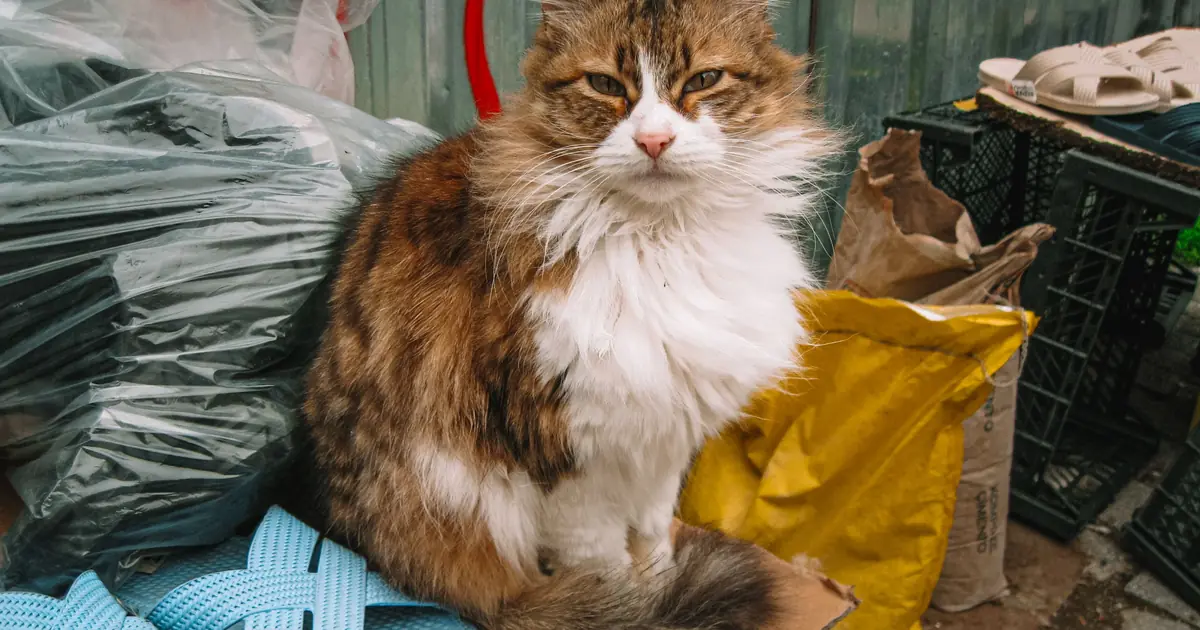
Moving day is chaos. Boxes everywhere, the carrier comes out, and your cat vanishes under the bed for six hours straight. You start wondering: has she even used the litter box today? A cat camera pointed at the box takes the guesswork out of that.
Or it’s a long car ride, and your cat has been curled up in her carrier since sunrise, ignoring every rest stop. Fair thing to worry about. Travel, a dirty box, or plain stress can all make a cat hold it longer than usual. The good news: a healthy bladder has some wiggle room. The tricky part is knowing where “normal” ends and “call the vet” begins, because with cats, that line can move fast.
- A healthy adult cat can safely hold their pee for 24 to 48 hours, though most cats urinate every 8 to 12 hours on their own.
- Cats typically urinate 2 to 4 times a day, and this pattern usually stays consistent unless something at home or in their health changes.
- Holding urine past 48 hours raises the risk of a urinary tract infection, bladder crystals, or a painful urethral blockage.
- Male cats are far more likely to develop a life-threatening urinary blockage than female cats, because their urethra is longer and narrower.
- A cat straining in the litter box with little or no urine coming out needs emergency vet care the same day, not the next morning.
How Long Can Cats Hold Their Pee?
A healthy cat can hold their pee for roughly 24 to 48 hours without serious harm. That’s the outer limit, not a target. Most cats never push it that far, they’ll use the litter box every 8 to 12 hours if the box is clean and they feel safe. The 24 to 48 hour window mostly matters for situations you can’t control, like a long flight, a stressful move, or a cat hiding from a new dog.
Past 48 hours, the risk climbs fast. Urine sitting in the bladder too long lets bacteria multiply and gives minerals time to clump into crystals, which can lead to a urinary tract infection or a dangerous blockage. If your cat genuinely hasn’t peed in two full days, that’s a call-your-vet situation, not a wait-and-see one.
How Often Do Cats Normally Pee?
Most cats urinate 2 to 4 times a day, usually once every 8 to 12 hours. Kittens and cats who drink a lot of water, especially cats eating wet food, may go more often, while cats on a dry-food-only diet tend to produce less, more concentrated urine, less frequently.
What matters more than the exact number is the pattern for your specific cat. A cat who normally goes three times a day and suddenly stops using the box, or starts going six or seven times with tiny amounts each visit, is telling you something changed. Scooping the litter box daily is the easiest way to track this, since you’ll notice missing clumps before you’d notice anything else.
Why Is My Cat Holding Its Pee?
Cats hold their pee for a handful of common reasons: travel, a dirty litter box, stress, a new environment, or an underlying illness. Here’s what usually causes it:
- Travel and car rides: Many cats simply won’t go in a moving carrier or car. The unfamiliar motion and noise make them clamp down until they’re somewhere still and quiet.
- A dirty litter box: Cats are famously picky. An unscooped box can be reason enough to hold it rather than step inside, and it’s one of the top causes behind a cat not using the litter box at all.
- Moving to a new home: Unfamiliar smells and layout can leave a cat too on edge to relax enough to urinate normally for the first day or two.
- Stress and fear: Loud guests, a new pet, or a trip to the vet can make a cat tense up and hold it. It’s the same instinct behind why cats sometimes pee when scared, a stressed bladder doesn’t always behave predictably.
- Underlying illness: Pain from cystitis, a urinary blockage, arthritis that makes stepping into the box uncomfortable, or a UTI can all cause a cat to avoid urinating, or to strain without producing much urine at all.
If your cat seems more on edge than usual, it’s worth checking the wider list of signs of stress in cats, since bladder trouble and stress often show up together. According to the Cornell Feline Health Center, stress is one of the biggest known triggers behind feline idiopathic cystitis, the most common form of feline lower urinary tract disease.
How Can I Encourage My Cat to Pee?
The fastest way to get a cat to relax enough to urinate is a clean litter box, fresh water, and a quiet, low-traffic space. Try these steps if your cat is holding it longer than usual:
- Scoop the litter box right away. Cats often refuse a box that smells like yesterday’s visit.
- Add a second litter box in a quiet spot away from noisy appliances. The general rule is one box per cat, plus one extra.
- Offer fresh water, and consider a fountain since running water tempts a lot of cats to drink more. Our guide on how much water a cat should drink a day can help you check if your cat’s intake is on track.
- Give your cat a calm, dim space to decompress, away from other pets, kids, or moving boxes.
- On travel days, plan a rest stop with a familiar litter box in a quiet spot, and don’t be surprised if your cat waits until you’re home.
If you travel often, a carrier that feels secure rather than cramped makes a real difference in whether your cat is willing to relax. Our roundup of the best cat carriers for long distance car travel covers options built for exactly this.
What Does a Urinary Blockage in Cats Look Like?
A urinary blockage looks like a cat straining repeatedly in the litter box, crying out, licking at their genitals, and producing little to no urine, sometimes alongside vomiting or lethargy. This is a true emergency, not something to monitor overnight. A blocked urethra means urine cannot leave the body at all, and toxins build up in the bloodstream within hours.
The VCA Animal Hospitals notes that a complete urinary obstruction is far more common in male cats, because their urethra is longer and narrower than a female cat’s, making it easier for crystals or inflammatory plugs to block the passage entirely. Watch for these red flags:
- Repeated trips to the litter box with little or no urine coming out
- Straining, squatting, or crying while trying to urinate
- Frequent licking of the genital area
- Vomiting, lethargy, or hiding more than usual
- Blood in the urine, or urine that looks pink or reddish, a sign covered in more detail in our guide on why a cat might be peeing blood
Any one of these signs is worth a same-day call to your vet. Straining with no urine output is the clearest sign of a blockage, and it needs emergency care right away, not a “let’s watch him tonight” approach. According to the Merck Veterinary Manual, a urinary obstruction in cats should always be treated as a medical emergency, since it can progress quickly once the bladder can no longer empty at all.
How Long Is It Safe for a Cat Not to Pee in Different Situations?
How long is safe depends on the situation. A car ride or vet visit that lasts a few hours is nothing to worry about, but if your cat goes a full day or more without urinating, it’s time to act. Here’s a quick breakdown:
| Situation | How long is generally OK | What to do |
|---|---|---|
| Car ride or travel day | Up to 8 to 12 hours | Offer a litter break at your destination; don’t force it |
| Vet visit or grooming appointment | A few hours | No action needed, most cats hold it and go once home |
| Moving to a new home | Up to 24 hours while settling in | Set up a familiar litter box in a quiet room right away |
| Dirty or inaccessible litter box | Should not happen at all | Scoop daily and add a second box if needed |
| No urination for 24 to 48 hours, any cause | Not safe | Call your vet the same day |
| Straining with no urine produced | Never safe, any duration | Emergency vet visit immediately |
A quick, non-alarming note: this article is educational and isn’t a substitute for veterinary care. If your cat hasn’t urinated in 24 to 48 hours, or is straining without producing urine, treat it as urgent and call your vet or an emergency animal hospital right away. Left untreated, a urethral blockage can become fatal within 24 to 48 hours, and male cats are especially at risk because of their narrower urethra.
Frequently Asked Questions
Q: How long can a cat go without peeing before it’s an emergency?
A cat going more than 24 to 48 hours without urinating needs veterinary attention. If your cat is straining with no urine coming out at any point, that’s an immediate emergency, not something to wait out.
Q: Can a cat hold their pee overnight?
Yes, a healthy cat can hold their pee overnight without any issue, since most cats naturally urinate every 8 to 12 hours anyway. Just make sure the litter box is clean and accessible so there’s no reason for them to avoid it.
Q: How many times a day should a cat pee?
Most healthy cats urinate 2 to 4 times a day. Cats eating mostly wet food often go slightly more often than cats on a dry-food-only diet, since they’re taking in more moisture overall.
Q: Why is my male cat straining to pee but nothing comes out?
A male cat straining with no urine output is very likely experiencing a urethral blockage, a life-threatening emergency more common in males due to their narrow urethra. This needs immediate veterinary care, not home monitoring.
Q: Is it normal for a cat not to pee during a long car trip?
Yes, it’s common for cats to hold their pee for the length of a normal car trip, often 8 hours or more, since the motion and unfamiliar setting make them tense up. Offer a litter box as soon as you arrive and let your cat settle in on their own timeline.
Q: Can stress cause a cat to hold their pee?
Yes, stress is one of the most common reasons cats hold their pee or avoid the litter box altogether. Moving homes, new pets, loud noises, and even a dirty box can all trigger enough anxiety to change a cat’s bathroom habits.
Q: What are the first signs of a urinary blockage in cats?
Early signs include frequent trips to the litter box with little urine produced, straining or vocalizing while trying to go, and excessive licking of the genital area. These signs can escalate to vomiting and lethargy within hours, so early signs deserve a same-day vet call.
Q: Does holding pee cause a UTI in cats?
Holding urine too long can contribute to a urinary tract infection by giving bacteria more time to multiply in the bladder. It’s one of several factors, along with stress and diet, that raise a cat’s risk for urinary tract problems.

Hello and welcome to The Ideal Cat!
We are some passionate cat owners from different professions. We love our cats and have a lot of experience in how to care for our pets. We are incredibly excited to share our knowledge, experience, and research with you. So you can take good care of your loving cat. We will answer most of the common questions about owning cats, taking care of them, etc. If you have any question contact with us. Thanks for visiting! Enjoy the content.
)