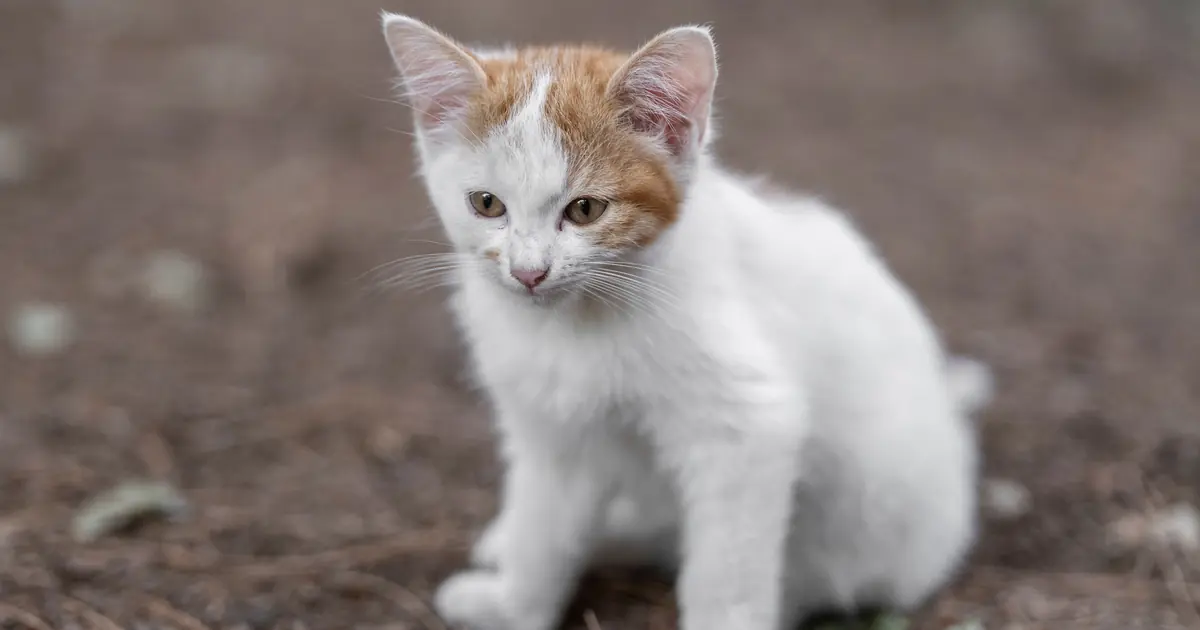
Picture this. Your fluffy little kitten still trips over her own feet and naps in your slipper. She looks like a baby, because she is one. Then one morning she starts rolling around, yowling at the back door, and suddenly you’re wondering if she’s old enough to have kittens of her own. It feels too soon. But here’s the honest answer to how young can cats get pregnant: much younger than most people expect.
Cats hit puberty fast. A lot of cat parents assume there’s a safe grace period of a year or so, and there just isn’t. A kitten who looks half-grown can already be fertile. The good news is this is one of the most preventable surprises in cat care, and a quick chat with your vet handles it. Let’s walk through exactly how young it happens, why, and what to do about it.
- Female cats can get pregnant as early as 4 months old, during their very first heat cycle.
- A kitten’s first heat typically starts between 4 and 6 months, though some long-haired breeds wait until 10 to 18 months.
- Puberty in cats is tied to body weight (around 5 to 7 pounds) and daylight, not just age.
- An unspayed female can have up to three litters a year and can go back into heat about two weeks after giving birth.
- Vets recommend spaying by around 5 months, before the first heat, and shelters safely spay kittens from about 8 weeks or 2 pounds.
How young can a cat actually get pregnant?
A cat can get pregnant as young as 4 months old. That’s not a rare fluke, it’s simply how feline biology works. Once a female kitten reaches sexual maturity, she can conceive during her first heat cycle, and that first cycle can arrive at 4 months. So a 4 to 5 month old kitten, who still acts like a baby and weighs only a few pounds, can be carrying a litter.
It surprises almost every new cat parent. She’s not done growing, she’s still playful and clumsy, and yet her body is already able to reproduce. This is the single fact worth burning into memory: if she’s had her first heat, she can get pregnant. There’s no “she’s too little” safety window once heat begins.
When do kittens have their first heat cycle?
Most kittens have their first heat, called estrus, between 4 and 6 months of age. Estrus is the fertile window when a female cat is receptive to mating and can conceive. Short-haired cats tend to start on the earlier end, often around 5 to 6 months, and sometimes as young as 4 months.
Breed matters, though. Long-haired breeds like Persians usually mature later, often between 10 and 18 months, and some aren’t fully mature until 2 to 3 years old. Season plays a role too, so a kitten born in early spring may cycle sooner than one born in late fall. If you want a deeper look at the behavior side, our guide on what to do when your cat is in heat walks through the signs and how to keep her from mating.
Why do cats mature so young?
Cats mature young because feline puberty is driven by body condition and daylight, not a fixed birthday. A kitten’s body kicks off her first heat once she hits roughly 80% of her adult weight, which is about 5 to 7 pounds for an average cat. Reach that weight and the reproductive switch can flip, even if she still looks and acts like a kitten.
Daylight is the other trigger. Cats are what biologists call seasonally polyestrous, meaning longer days (spring and summer) push them into heat, while short winter days often pause cycling. This is why indoor cats under artificial light sometimes cycle year-round. Long-haired breeds are the main exception, maturing later than their short-haired cousins.
At what age can a kitten get pregnant, cycle by cycle?
A kitten can get pregnant from her very first heat, and she’ll keep cycling every few weeks until she’s bred or spayed. During the warmer months, an unspayed female can go in and out of heat roughly every two to three weeks. That means the fertile windows stack up quickly, and the chances of an accidental litter climb with each one.
Here’s how the key milestones typically line up. Remember these are ranges, and your individual cat may run early or late.
| Milestone | Typical age |
|---|---|
| First heat cycle (short-haired cats) | 4 to 6 months |
| First heat cycle (long-haired breeds) | 10 to 18 months |
| Can get pregnant | From the first heat (as young as 4 months) |
| Safe to spay (routine vet) | Around 5 months, before first heat |
| Pediatric spay (shelters) | From about 8 weeks or 2 pounds |
| Reaches adult weight (~5 to 7 lb) | Around 4 to 6 months |
Is it risky for a kitten to get pregnant so young?

Yes, pregnancy in a very young kitten carries real risks for both the young mother and her litter. A 4 to 6 month old is still growing herself, so pregnancy pulls nutrients and energy away from her own development. Younger mothers are more likely to have difficult labors, smaller or weaker kittens, and trouble producing enough milk. This article is educational, so please loop in your vet about any pregnancy, especially in a young cat.
There’s a bigger-picture point too. Spaying before the first heat prevents accidental litters entirely, and it lowers her lifetime risk of mammary cancer while eliminating pyometra, a dangerous uterine infection. Kittens having kittens is risky, stressful, and almost entirely preventable. If you’re weighing the decision, our piece on whether to spay or neuter your female cat lays out the case, and the ASPCA’s general cat care guidance echoes the same advice.
How fast can an unspayed cat keep having litters?
An unspayed cat can have up to three litters in a single year. A cat’s pregnancy lasts only about 63 to 67 days, and she can go back into heat as soon as two weeks after giving birth. So one female can be raising a litter and already pregnant with the next, which is how populations explode so fast. You can see the full timeline in our guide to how long a cat is pregnant.
The math gets sobering quickly. If you’d like to see just how fast it compounds, our breakdown of how many times a cat can get pregnant in a year spells it out. Preventing that first litter is the kindest thing you can do, both for your cat and for the shelters already stretched thin. The iCatCare advice library and the Cornell Feline Health Center both back early neutering as the responsible choice.
What age should you spay to prevent pregnancy?
Spay your kitten by around 5 months of age, before her first heat, to reliably prevent pregnancy. Routine vets commonly spay at 4 to 6 months, and doing it before that first cycle is the surest way to avoid an accidental litter and to gain the health benefits. Waiting even a few extra weeks can mean missing the window.
Shelters go earlier still. Pediatric spay and neuter, endorsed by the AVMA and the Association of Shelter Veterinarians, is done safely from about 8 weeks of age or once a kitten reaches 2 pounds. If you’re unsure of the best timing for your individual cat, our guide on how old a cat has to be to get fixed helps you plan the conversation with your vet.
Frequently asked questions
Q: Can a 4-month-old kitten really get pregnant?
Yes. A 4-month-old kitten can get pregnant if she has reached her first heat cycle, which can start as early as 4 months. Short-haired kittens mature especially early, so a kitten who still looks like a baby can already be fertile.
Q: Can a kitten get pregnant on her first heat?
Yes, a kitten can get pregnant during her very first heat cycle. There is no safe grace period once heat begins. If an unspayed female is in heat and has access to an intact male, she can conceive right away.
Q: How can I tell if my young cat is in heat?
A cat in heat often yowls loudly, becomes extra affectionate, rolls on the floor, raises her hind end, and tries to escape outside. These signs usually last several days and can repeat every two to three weeks during breeding season until she is bred or spayed.
Q: Is it safe to spay a kitten before her first heat?
Yes, spaying before the first heat is safe and recommended. Vets commonly spay at 4 to 6 months, and shelters safely perform pediatric spays from about 8 weeks or 2 pounds. Early spaying also lowers the lifetime risk of mammary cancer.
Q: How long is a cat pregnant?
A cat’s pregnancy lasts about 63 to 67 days, roughly two months. Because gestation is short and cats can cycle again soon after birth, an unspayed female can have up to three litters in a single year.
Q: Can a cat get pregnant while still nursing kittens?
Yes. A cat can go back into heat as soon as two weeks after giving birth, even while nursing. This means she can be feeding one litter and already pregnant with the next, which is why prompt spaying matters.
Q: Do long-haired cats mature later than short-haired cats?
Yes, long-haired breeds like Persians usually mature later, often between 10 and 18 months, and some not until 2 to 3 years. Short-haired cats typically have their first heat between 4 and 6 months. Talk to your vet about the right spay timing for your breed.
Q: Why do vets push spaying so early?
Vets recommend early spaying because cats can get pregnant as young as 4 months, and one female can produce multiple litters a year. Spaying before the first heat prevents accidental litters and eliminates the risk of pyometra, a serious uterine infection.

Hello and welcome to The Ideal Cat!
We are some passionate cat owners from different professions. We love our cats and have a lot of experience in how to care for our pets. We are incredibly excited to share our knowledge, experience, and research with you. So you can take good care of your loving cat. We will answer most of the common questions about owning cats, taking care of them, etc. If you have any question contact with us. Thanks for visiting! Enjoy the content.
