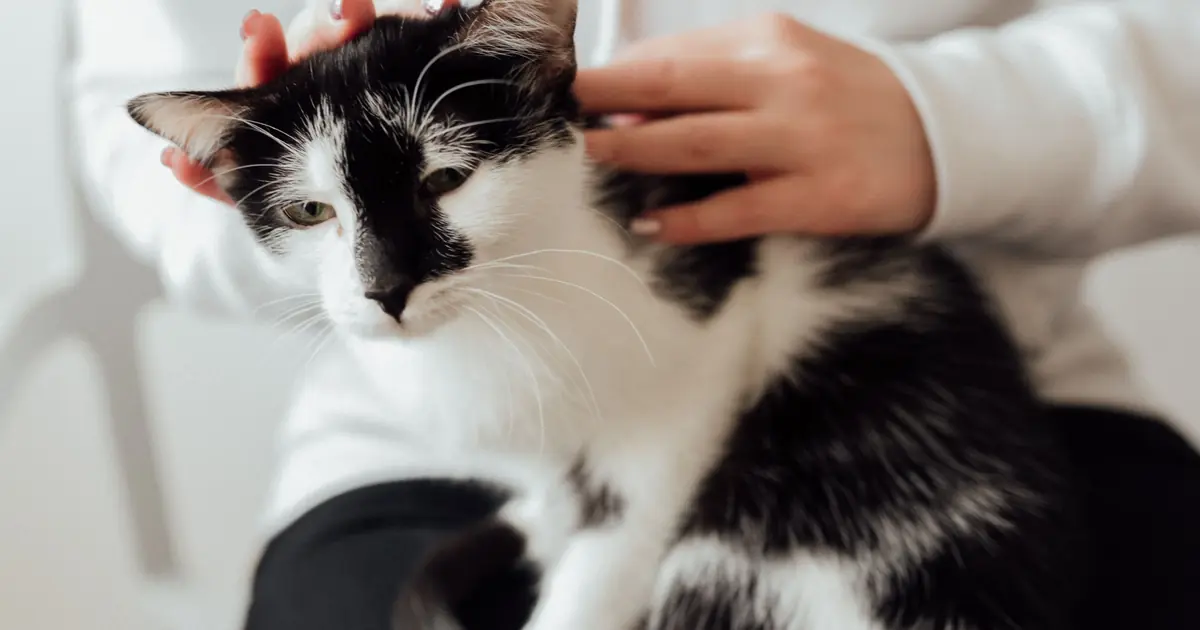
You’re playing with your cat, things get a little too excited, and now there’s a thin red line on your arm that itches like crazy. Sound familiar? Almost every cat parent has been there.
The itch usually isn’t a sign anything went wrong. It’s actually a sign your body is doing exactly what it’s supposed to do. Let’s get into why cat scratches itch, when it’s nothing to worry about, and when it’s worth a call to your doctor.
- A cat scratch itches mainly because histamine, released by damaged skin cells, increases blood flow and irritates nerve endings near the wound.
- Cat saliva carries the allergen Fel d 1, and since cats groom their paws and claws, that protein can end up in a scratch and add to the itch.
- Studies have found Bartonella henselae, the bacteria behind cat scratch disease, in the blood of up to 1 in 3 healthy cats, kittens especially.
- Cat scratch disease symptoms, including swollen lymph nodes and fever, usually show up 1 to 3 weeks after a scratch, not right away.
- A normal itchy scratch calms down within 2 to 3 days; spreading redness, red streaking, pus, or fever means it’s time to see a doctor.
Why Does a Cat Scratch Itch in the First Place?
A cat scratch itches because breaking the skin triggers your body’s healing and defense process, and histamine drives most of it. The second a claw nicks your skin, mast cells release histamine into the area. Histamine widens nearby blood vessels and makes them a little leaky, which brings redness, mild swelling, and itching.
It’s the same chemical behind a mosquito bite or a bee sting, and it’s not a sign of infection on its own. The Cleveland Clinic describes mast cells as part of the body’s built-in alarm system, sending out signals that open blood vessels and make you itch whenever they sense something harmful. An itchy, slightly raised scratch is a textbook example of them doing their job.
Does Bacteria or Cat Saliva Make the Itch Worse?
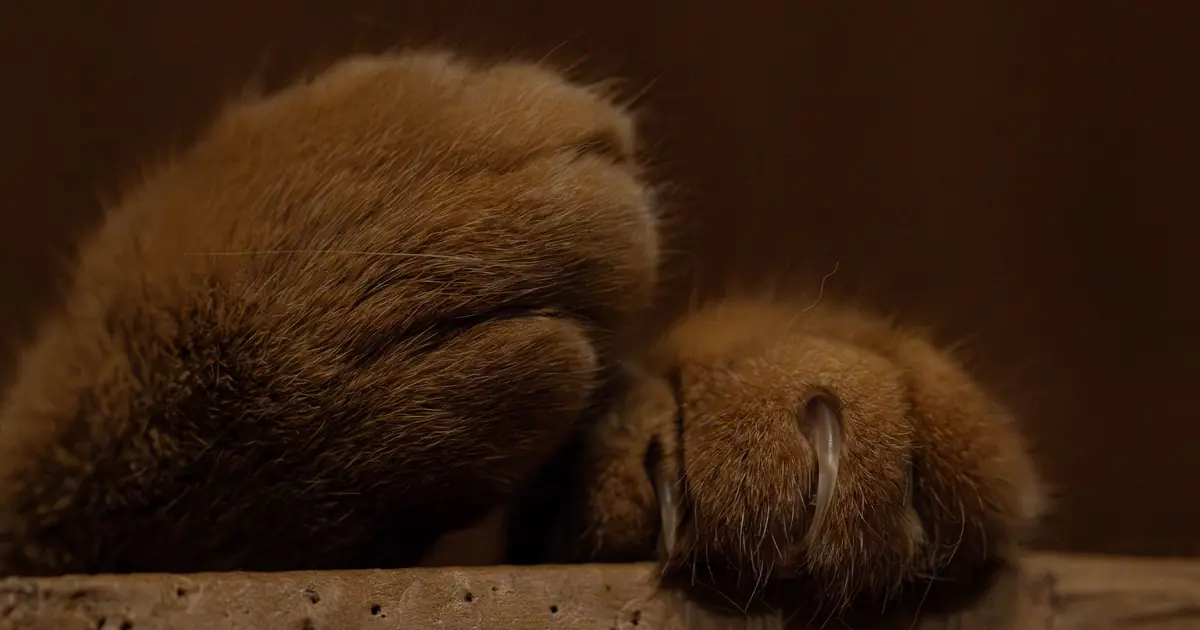
Yes, bacteria and saliva on a cat’s claws can make a scratch itch more than a clean paper cut would. Cat claws aren’t sterile. Cats groom constantly, running their tongue over their paws and between their claws, so saliva, skin bacteria, and debris often ride along under the nail.
When a claw breaks your skin, that mix goes right into the wound, and your immune system reacts to it as a foreign substance. That can mean more redness and a stronger itch than a scratch from a clean object would cause. It’s normal and usually settles within a day or two, and it’s a big reason washing a fresh scratch right away matters so much.
Does an Itchy Cat Scratch Mean You’re Allergic to Cats?
Not necessarily, but it can be a clue. The main cat allergen, Fel d 1, is a protein made in a cat’s salivary and sebaceous (skin oil) glands. During grooming, cats spread Fel d 1 from saliva onto their fur, skin, and paws. When a claw carrying that protein breaks your skin, some people react the way they’d react to cat dander in the air: extra redness, itching, and sometimes a raised, hive-like bump.
The American Academy of Allergy, Asthma and Immunology notes that proteins in a cat’s saliva, skin flakes, and dander are what trigger allergic reactions in sensitive people, not the fur itself. If your scratches consistently swell up more than they should, or you also sneeze and get watery eyes around cats, ask your doctor about allergy testing. If you’re cat-curious but allergy-prone, our guide to hypoallergenic cat breeds covers which cats tend to produce less Fel d 1.
How Do You Relieve the Itch and Care for a Cat Scratch?
Wash the scratch with soap and water right away, then leave it alone while it heals. That single step does more to control the itch and the infection risk than anything else you can do. Here’s the full routine:
- Wash it immediately. Use warm water and mild soap, and rinse for a full 15 to 20 seconds to flush out bacteria and saliva.
- Pat it dry, don’t rub. Rubbing irritates already-inflamed skin and can make the itch worse.
- Apply a cool compress. A clean, damp washcloth held on the area for 5 to 10 minutes calms histamine-driven swelling and itch fast.
- Resist scratching it. Scratching an itchy wound reopens broken skin and raises the odds of introducing more bacteria.
- Keep it clean and uncovered when possible. Fresh air helps a shallow scratch scab over and heal; a light bandage is fine if it’s in a spot that gets dirty or rubbed by clothing.
- Watch it for a few days. Normal scratch itch fades within 2 to 3 days as the skin closes. If it’s getting worse instead of better, that’s your cue to check in with a doctor.
If your cat’s claws are the reason scratches keep happening in the first place, regular trims help a lot. Our step-by-step guide on how to cut cat nails walks through doing it safely at home.
When Is a Cat Scratch More Than Just an Itch?
A cat scratch is more than a routine itch when it comes with spreading redness, worsening swelling, pus, or fever, since those can point to a bacterial infection or cat scratch disease. Cat scratch disease is caused by Bartonella henselae, a bacterium some cats carry in their blood without showing symptoms themselves. The CDC notes this bacteria has been found in up to 1 in 3 healthy cats, and kittens under a year old are more likely to carry it than adults.
Unlike ordinary itch, which shows up within minutes, cat scratch disease symptoms show up later: a scab or small bump first, then swollen, tender lymph nodes 1 to 3 weeks afterward, sometimes with mild fever or fatigue. Most healthy people recover without antibiotics within 2 to 4 weeks. We cover the full picture, including how it spreads and who’s most at risk, in our dedicated guide to cat scratch disease.
| Sign | Normal Itchy Scratch | Needs Medical Attention |
|---|---|---|
| When it appears | Within minutes of the scratch | Scab or bump first, lymph node swelling 1 to 3 weeks later |
| Redness | Mild, stays close to the scratch line | Spreading outward, or red streaking away from the wound |
| Swelling | Slight puffiness that fades in 1 to 2 days | Growing swelling, or a hard, tender lymph node |
| Discharge | None, or a small dry scab | Pus or fluid draining from the site |
| Whole-body symptoms | None | Fever, chills, fatigue, or headache |
| Timeline | Itch fades within 2 to 3 days | Symptoms persist past 3 to 4 days or keep getting worse |
When Should You See a Doctor for a Cat Scratch?
See a doctor if a cat scratch shows spreading redness, increasing swelling, pus, red streaking away from the wound, tender or swollen lymph nodes, or a fever. Those signs suggest a bacterial infection or possible cat scratch disease rather than an ordinary healing itch. People with weakened immune systems, including those on immunosuppressive medication or with certain chronic illnesses, should call a doctor after any deep cat scratch, even if it looks minor at first.
This article is for general education and isn’t a substitute for medical advice. If you’re ever unsure whether a scratch is healing normally, it’s always fine to call your doctor and describe what you’re seeing.
What If My Cat Scratches Me Out of Nowhere?
An unprovoked scratch usually means your cat was startled, overstimulated, or in pain, not that they’re turning aggressive for no reason. Cats often scratch during petting sessions once they’ve had enough contact, a pattern sometimes called petting-induced overstimulation. If this keeps happening, our guide on why cats bite when you pet them breaks down the body language to watch for. And if the scratching feels new or out of character, it’s worth reading about sudden aggression in cats, since pain and stress are common hidden causes.
Frequently Asked Questions
Q: Is it normal for a cat scratch to itch for a few days?
Yes, mild itching for 1 to 3 days is normal while the skin heals and histamine levels settle down. If the itch is getting worse after day 3, or the area is spreading, check in with a doctor.
Q: Why does my cat scratch itch more at night?
Itching often feels worse at night because there are fewer distractions and your body temperature rises slightly under blankets, which can increase blood flow and histamine activity in the skin. It’s the same reason mosquito bites and eczema tend to itch more before bed.
Q: Can I put hydrocortisone cream on a cat scratch?
Wash the scratch first, and if the itch is bothersome, an over-the-counter hydrocortisone cream can help calm redness and itching for many people. Check with a pharmacist or doctor if you have sensitive skin, are pregnant, or the scratch looks like it might be infected rather than just itchy.
Q: Does every cat scratch cause cat scratch disease?
No. Most cat scratches never lead to cat scratch disease, since it depends on whether that specific cat is carrying Bartonella henselae bacteria. The CDC notes the bacteria has been found in up to 1 in 3 healthy cats, so most scratches are simply an itchy, harmless irritation.
Q: Why do cat scratches sometimes leave a raised, hive-like bump?
A raised, itchy bump usually means your histamine response was stronger than usual, sometimes because of a mild sensitivity to proteins like Fel d 1 in the cat’s saliva. This kind of welt typically flattens out within a day or two on its own.
Q: Should I keep a cat scratch covered or let it scab over?
For a shallow scratch, leaving it uncovered so it can scab over naturally usually helps it heal faster. A light bandage makes sense only if the scratch is in a spot that gets rubbed by clothing or exposed to dirt.
Q: Can an indoor-only cat still cause an itchy or infected scratch?
Yes. Indoor cats can carry Bartonella bacteria and grooming-related saliva on their claws just like outdoor cats, since exposure often comes from fleas rather than the outdoors specifically. Keeping your cat on a vet-recommended flea preventive lowers this risk significantly.
Q: Are kitten scratches more likely to cause problems than adult cat scratches?
Kittens under a year old are more likely to carry Bartonella henselae than adult cats, according to CDC data, which makes kitten scratches somewhat more likely to lead to cat scratch disease. That doesn’t mean every kitten scratch is dangerous, just that it’s worth washing promptly and watching for delayed symptoms.

Hello and welcome to The Ideal Cat!
We are some passionate cat owners from different professions. We love our cats and have a lot of experience in how to care for our pets. We are incredibly excited to share our knowledge, experience, and research with you. So you can take good care of your loving cat. We will answer most of the common questions about owning cats, taking care of them, etc. If you have any question contact with us. Thanks for visiting! Enjoy the content.
