Cat litter adds up fast, and sometimes you just need a cheaper option (or an emergency fill-in when you’ve run out). The good news: several budget-friendly swaps actually work.
Here are the best cheap litter alternatives, plus what to avoid so your cat stays happy and safe.
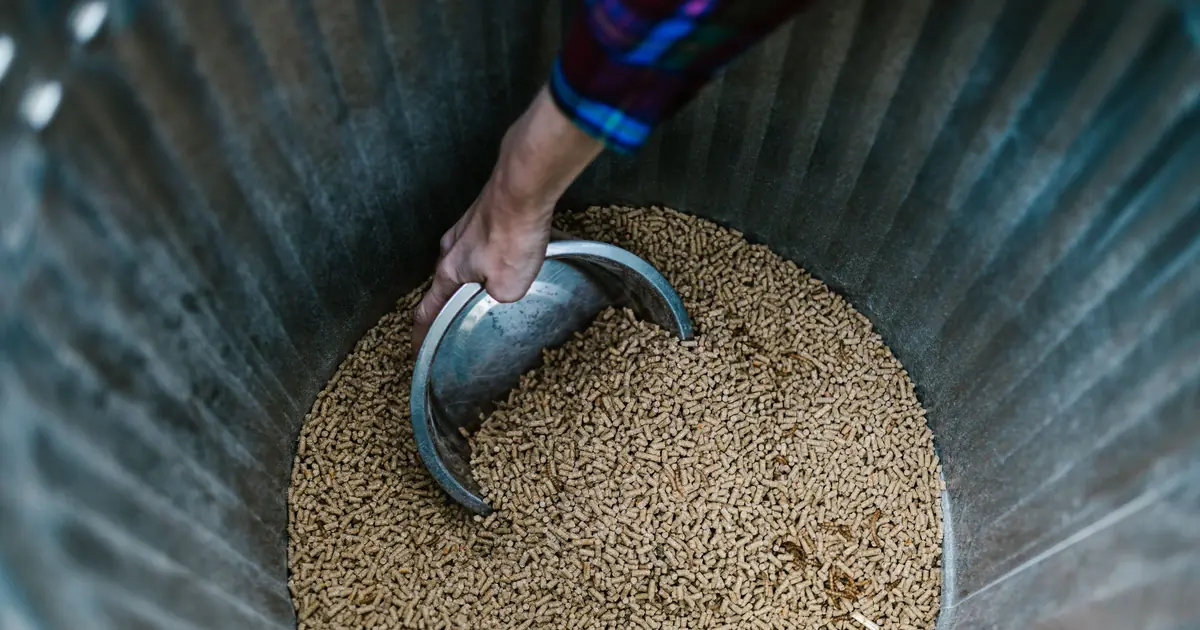
- Wood stove or horse-stall pellets are the most popular cheap, absorbent litter alternative.
- Shredded newspaper and sand are ultra-budget options that work in a pinch.
- Any alternative must be non-toxic, absorbent, low-dust, and unscented for your cat.
- Avoid clay-based construction products, scented materials, and anything toxic or very dusty.
- Introduce a new material gradually, cats can reject sudden litter changes.
What are the cheapest alternatives to cat litter?
The cheapest cat litter alternatives are wood pellets, shredded newspaper, and sand, all far less expensive than commercial litter. Plain wood stove pellets or horse-stall pellets are the standout budget swap: highly absorbent, low-odor, and often a fraction of the price per pound. Shredded newspaper and clean play sand cost even less and work in emergencies. The key is choosing something absorbent, non-toxic, and low-dust that your cat will actually use.
Which cheap litter alternative works best?
Wood pellets are the best-performing cheap alternative for most households. Plain, additive-free wood pellets (sold as heating-stove pellets or horse-bedding pellets) absorb moisture, control odor well, and break down into sawdust when wet, which you sift out. They’re a well-known budget favorite. Just make sure the pellets are 100% wood with no chemical accelerants or additives. They behave differently from clumping clay, so don’t just layer them on top, and avoid combining incompatible types, as we explain in mixing clumping and non-clumping litter.
What household items can you use in a pinch?
In an emergency, several common items can serve as temporary litter. Options include:
- Shredded newspaper or paper: cheap and absorbent; dampen and dry for better clumping-like texture.
- Sand (clean play sand): mimics a cat’s natural digging surface, but it’s heavy and tracks.
- Wood shavings or sawdust: absorbent, though dusty; avoid cedar in large amounts.
- Chicken feed or whole-grain material: absorbent in a pinch (watch for mold).
- Clean soil or dirt: a natural short-term option, covered in using dirt for cat litter.
Cheap litter alternatives compared
Here’s how the main budget options stack up.
| Alternative | Pros | Cons |
|---|---|---|
| Wood/stove pellets | Cheap, absorbent, low odor | Doesn’t clump; sift sawdust out |
| Shredded newspaper | Very cheap, easy | Poor odor control, messy when wet |
| Sand | Natural feel, ultra cheap | Heavy, tracks, weak odor control |
| Wood shavings | Absorbent, low cost | Dusty; avoid lots of cedar |
| Clean dirt/soil | Free, natural | Tracks, may carry parasites, short-term only |
What should you avoid using as litter?
Avoid anything toxic, dusty, sharp, or scented, since these can harm your cat or make it reject the box. Skip construction-grade clay or sand with additives, cedar or pine shavings in large amounts (strong oils can irritate), scented or chemically treated materials, and anything moldy. Don’t use flushable-claim materials in ways that risk plumbing or, for pregnant people, materials that don’t allow safe waste handling. This article is educational and not a substitute for veterinary advice; if your cat has health issues, ask your vet before switching. To keep any litter working well, mind depth and freshness, as we cover in why cat pee won’t clump, and don’t mix incompatible types, see mixing clumping and non-clumping litter. For general litter-box safety, the ASPCA and International Cat Care are helpful resources.
How do you switch your cat to a cheaper litter?
Switch gradually so your cat accepts the new material without protesting. Mix a small amount of the alternative into the current litter, then increase the ratio over 1 to 2 weeks while watching for box avoidance. Keep the box clean and at the right depth, and offer a second box with the old litter as a backup during the transition. If your cat starts eliminating outside the box, slow down or reconsider the material, cats can be picky, and a rejected litter defeats the savings.
Frequently Asked Questions
Q: What is the cheapest cat litter alternative?
Shredded newspaper and clean sand are the cheapest, while wood or horse-stall pellets offer the best value for absorbency and odor control. All are far less expensive than commercial litter, as long as they’re non-toxic and low-dust.
Q: Can I use wood pellets as cat litter?
Yes. Plain wood stove or horse-stall pellets (100% wood, no additives) are a popular cheap litter. They absorb moisture, control odor, and turn to sawdust when wet, which you sift out. Introduce them gradually.
Q: Is sand a good substitute for cat litter?
Sand works in a pinch and mimics a cat’s natural digging surface, but it’s heavy, tracks badly, and controls odor poorly. Use clean play sand, not construction sand with additives, and treat it as a short-term option.
Q: What should I never use as cat litter?
Avoid toxic, dusty, sharp, scented, or moldy materials, plus construction clay or additive-laden sand and large amounts of cedar shavings. These can harm your cat or cause box rejection. Stick to non-toxic, absorbent, unscented options.
Q: Can I use newspaper instead of cat litter?
Yes, shredded newspaper is a cheap, absorbent stand-in. It controls odor poorly and gets messy when wet, so scoop often. Dampening and drying shredded paper can improve texture. It’s best as a budget or emergency option.
Q: How do I get my cat to accept a new litter?
Switch gradually, mix a little of the new material into the old litter and increase it over 1 to 2 weeks. Keep the box clean, offer a backup box with the old litter, and watch for any avoidance so you can adjust.

Hello and welcome to The Ideal Cat!
We are some passionate cat owners from different professions. We love our cats and have a lot of experience in how to care for our pets. We are incredibly excited to share our knowledge, experience, and research with you. So you can take good care of your loving cat. We will answer most of the common questions about owning cats, taking care of them, etc. If you have any question contact with us. Thanks for visiting! Enjoy the content.
