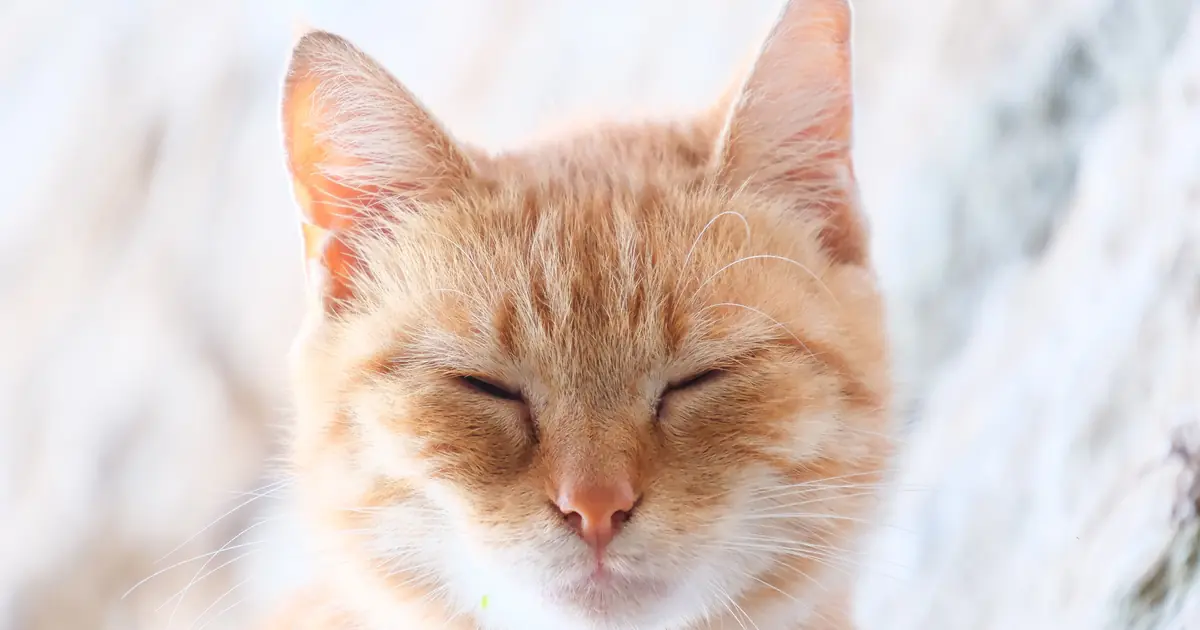
You’re curled up on the couch, your cat pressed against your leg, and it hits you: this animal feels like more than fur and instinct. It feels like somebody’s home in there. So you start to wonder, quietly, whether that somebody has a soul.
It’s one of those questions people have asked for thousands of years, across every culture on earth, and they still don’t fully agree. What we can do here is lay out what different traditions actually teach, what science can and can’t tell us, and why the question matters so much to people who love their cats. No sermon, just an honest look at all sides.
- Whether cats have souls is a matter of religious and philosophical belief, and there’s no scientific test that can confirm or deny it.
- Major world religions land in different places: many Eastern traditions embrace animal souls as part of a larger cycle of life, while Abrahamic faiths hold a wider range of views.
- Science can’t measure a soul, but it has confirmed that cats are sentient beings capable of real emotions like fear, contentment, and attachment.
- Ancient Egyptians revered cats as sacred, connected to the goddess Bastet, and that reverence is part of where the “nine lives” myth comes from.
- A big reason many owners believe their cat has a soul is simply the depth and specificity of the bond itself.
Do Cats Have Souls?
Whether cats have souls is a belief question, not a scientific one, and there’s no single answer that applies to everyone. It comes down to what you already believe about souls in general. If your worldview includes souls for humans, plenty of traditions extend that idea to animals, cats included. If your worldview is more secular, you might reframe the question, asking instead whether cats are conscious and capable of rich inner lives, which is something researchers can actually study.
Neither answer is wrong. This is a place where faith, philosophy, and personal experience all get a seat at the table. A question this old was never going to wrap up with one tidy fact.
What Do Different Religions Say About Animal Souls?
Different religions teach genuinely different things about animal souls, and there isn’t one unified “religious view” on cats. Here’s a respectful, non-exhaustive look at a few major traditions.
- Hinduism and Buddhism: Many followers see all living beings, cats included, as having a soul or spirit caught up in samsara, the ongoing cycle of birth, death, and rebirth. An animal’s spirit isn’t lesser, just further along a different point in the cycle.
- Christianity: Views vary a lot by denomination and theologian. Some argue animals have souls in a real sense, just not the eternal, rational soul traditionally assigned to humans. Others believe animals may share in a renewed creation. There’s no single doctrine every Christian agrees on.
- Islam: Islamic teaching holds that all creatures possess a spirit from God, and cats specifically are treated with real tenderness in Islamic history. Animals are also described as being gathered and accounted for on the Day of Judgment, which many scholars read as evidence of an animal soul or spirit.
- Judaism: Jewish thought distinguishes between levels of soul. Animals are generally understood to have nefesh, a living, animating soul, though some classical sources reserve the higher soul, neshama, for humans. Interpretations differ across movements.
- Indigenous and pagan traditions: Many indigenous belief systems and modern pagan paths treat animal spirits as fully real and often sacred, sometimes acting as guides or companions in both life and the afterlife.
None of these traditions is more correct than another here. They’re different, coherent answers to the same old question, and each deserves respect rather than a ranking.
Can Science Tell Us Whether Cats Have Souls?
Science can’t confirm or deny whether cats have souls, because a soul isn’t something a microscope or lab test can measure. What science can tell you, with real confidence, is that cats are sentient. They feel fear, contentment, frustration, and attachment, and researchers who study feline communication and emotional behavior treat that inner life as settled fact, not speculation.
That distinction matters. Sentience is measurable through behavior and physiology. A soul, by definition, sits outside anything a lab test can touch. Science doesn’t rule a soul out, it just isn’t the right tool for the question. If you want to go deeper on the emotional side, whether cats are truly sentient and whether your cat actually loves you both dig into what research does confirm.
The Cambridge Declaration on Consciousness, signed by a group of prominent neuroscientists in 2012, formally recognized that many non-human animals, mammals included, have the neurological structures needed for conscious experience. That’s a statement about consciousness, not souls, but it’s part of why so many people feel confident saying their cat has a genuine inner world, whatever you choose to call it.
Why Did Ancient Egyptians Believe Cats Were Sacred?
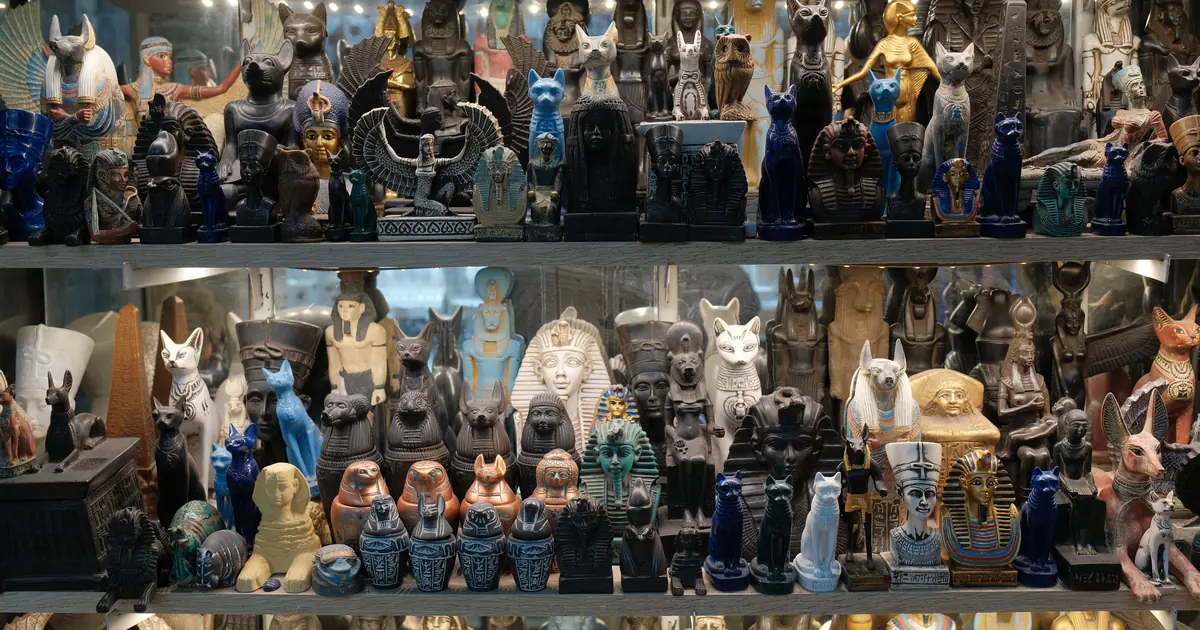
Ancient Egyptians revered cats because they linked them to Bastet, a protective goddess tied to the home, fertility, and warding off evil spirits. Cats that killed venomous snakes and rodents were seen as guardians, and that practical usefulness blended with real spiritual devotion. Killing a cat in ancient Egypt could carry serious punishment, and archaeologists have found enormous cat cemeteries with thousands of mummified cats left as offerings.
This reverence is one likely root of the “cats have nine lives” idea. A creature closely tied to a goddess associated with protection and rebirth naturally picked up a reputation for being tough to kill. Add in a cat’s genuine knack for surviving falls thanks to sharp reflexes and a flexible spine, and the myth had plenty to grow from. Worth knowing, not a health claim: cats don’t get extra lives, and treating them as invincible can lead to real risk-taking around heights and roads.
Why Do So Many Cat Parents Believe Their Cat Has a Soul?
Most cat parents who believe their cat has a soul point to the same thing: the relationship feels too specific and too mutual to be nothing. Cats greet you in distinct ways, pick favorite spots next to you rather than just anywhere warm, and react to your mood. That kind of individual, responsive connection reads as personhood to a lot of owners, soul or not.
There’s also the harder-to-explain stuff. Owners often describe a sense their cat “knows” things or shows up at exactly the right moment. Science can’t verify claims like that, and it’s smart to stay a little skeptical of anything sold as proof. But the underlying feeling, that your cat is a real individual with its own inner life, lines up with what behavior researchers do confirm: cats form genuine attachments and show consistent personalities. If you’ve wondered whether that attachment survives a rough moment between you, whether cats actually hold grudges covers exactly that.
| Perspective | View on whether cats have souls |
|---|---|
| Eastern traditions (Hinduism, Buddhism) | Generally yes, cats are seen as souls or spirits moving through the cycle of rebirth |
| Christianity | Mixed, ranges from a distinct animal soul to no eternal soul, depending on denomination |
| Islam | Animals hold a spirit from God and are accounted for on Judgment Day, per many scholars |
| Judaism | Animals generally have nefesh, a living soul, with views differing on higher soul levels |
| Indigenous and pagan traditions | Widely yes, animal spirits are often treated as sacred and present |
| Science | Can’t test for a soul, but confirms cats are sentient and experience real emotions |
| Personal experience | Many owners feel the depth of the bond is proof enough, on its own terms |
Does Thinking About a Cat’s Soul Help After Pet Loss?
For a lot of grieving owners, thinking about whether their cat had a soul brings real comfort, even without a definitive answer. It reframes loss as separation rather than a total ending, which can soften the sharpest edge of grief. You don’t need to resolve the theology to get something from the question. Sitting with it, and letting it mean whatever feels true to you, is its own kind of comfort.
It also helps to know grief isn’t one-sided. Cats show real signs of mourning too, changing habits and seeking more closeness after losing a companion. Understanding how cats grieve can make loss feel a little less lonely on both ends. And if a surviving cat starts staring at empty corners or tracking something you can’t see, you’re not imagining it, plenty of owners ask whether cats can sense things we can’t. None of this replaces real grief support if you’re struggling, but for most people, letting the soul question stay a little open is part of what makes it comforting.
What Other Beliefs Surround Cats and the Spirit World?
Cats carry a long list of spiritual associations beyond the soul question itself, especially around color and symbolism. Black cats have picked up centuries of mixed meaning, read as bad luck in some folklore and as protective or lucky in others. If that’s part of what brought you here, what a black cat actually symbolizes across cultures untangles a lot of that history in one place. These layered beliefs exist because cats have always sat a little outside easy explanation: independent, alert to things we miss, and just as comfortable in the dark as in daylight.
Q: Do cats have souls according to the Bible?
The Bible doesn’t give one explicit answer, and Christian scholars read it differently. Some point to passages describing living creatures as having “the breath of life” as evidence animals have a form of soul, while others reserve the eternal, rational soul for humans specifically. It varies by denomination and individual belief.
Q: Do Buddhists believe cats have souls?
Many Buddhist traditions hold that all sentient beings, cats included, have a spirit or consciousness caught up in samsara, the cycle of birth, death, and rebirth. The exact framing differs across Buddhist schools, but the idea of animal consciousness continuing in some form is common.
Q: Does Islam teach that animals have souls?
Islamic teaching holds that all creatures are given a spirit from God, and many scholars point to descriptions of animals being gathered and accounted for on the Day of Judgment as support for this. Cats specifically hold a place of real tenderness in Islamic history.
Q: Is it true that cats have nine lives?
No, it’s a myth, not a biological fact. Cats have one life, like every other animal. The idea likely grew from ancient Egyptian reverence for cats tied to the goddess Bastet, combined with a cat’s genuinely sharp reflexes and knack for surviving falls that would seriously hurt other animals.
Q: Why did ancient Egyptians worship cats?
Ancient Egyptians connected cats to Bastet, a goddess linked to protection, the home, and fertility, and valued cats practically for killing venomous snakes and rodents. That mix of spiritual devotion and everyday usefulness made cats one of the most protected animals in ancient Egyptian society.
Q: Can science prove whether cats have souls?
No, science has no way to test for a soul, since it isn’t a physical or measurable thing. What science can confirm is that cats are sentient, meaning they experience real emotions like fear, contentment, and attachment, which is a separate question from whether they have a soul.
Q: Why does my cat feel like it has a soul?
That feeling usually comes from the depth of the bond you’ve built together. Cats form real, individual attachments, remember routines, and respond specifically to you, and that consistent, personal connection reads as genuine personhood to a lot of owners, whatever they call the thing driving it.
Q: Will I be reunited with my cat after death?
That depends entirely on your own religious or spiritual beliefs, and different traditions answer it differently. Some faiths teach that beloved animals are reunited with their people in an afterlife, while others don’t address it directly. There’s no universal answer, only what feels true within your own beliefs.

Hello and welcome to The Ideal Cat!
We are some passionate cat owners from different professions. We love our cats and have a lot of experience in how to care for our pets. We are incredibly excited to share our knowledge, experience, and research with you. So you can take good care of your loving cat. We will answer most of the common questions about owning cats, taking care of them, etc. If you have any question contact with us. Thanks for visiting! Enjoy the content.
