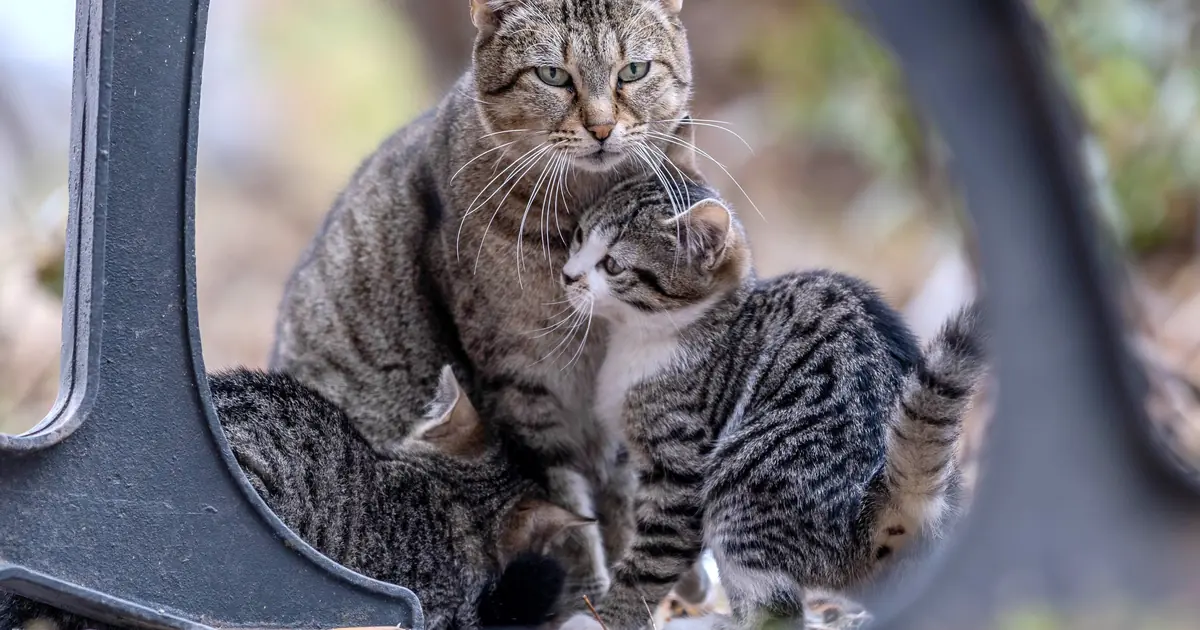
You just met the most adorable ball of fluff and you want to bring her home today. I get it, that pull is real. But if you’ve ever watched a kitten tumble around with her littermates, hissing one second and grooming a sibling the next, you’ve seen something you can’t rush: she’s still in school.
Kittens aren’t just growing bigger during those first few months. They’re learning how to be cats. Mom teaches bite inhibition, littermates teach social boundaries, and that education doesn’t finish on a schedule that’s convenient for us. Here’s what actually needs to happen before a kitten is ready to leave the nest, and why the calendar matters more than most new owners realize.
- Eight weeks is the absolute minimum age for a kitten to leave its mother, and many states have laws requiring breeders and shelters to wait this long.
- Twelve to 14 weeks is the age most veterinarians and reputable breeders recommend for the best long-term behavior and health outcomes.
- Kittens start eating solid food around 4 weeks old but aren’t fully weaned off milk until roughly 8 weeks.
- Kittens separated from mom and littermates before 8 weeks show higher rates of aggression, anxiety, and litter box problems as adults.
- Orphaned kittens with no mother available need round-the-clock bottle feeding and extra help learning social skills that would normally come from mom.
When Can Kittens Leave Their Mother?
Kittens can leave their mother at 8 weeks old at the earliest, though 12 to 14 weeks is better for their development. At 8 weeks, a kitten is weaned, eating solid food on her own, and using the litter box without help. That’s the legal minimum in many places, including several US states and countries like the UK, where selling a kitten younger than 8 weeks is against the law. But “legal minimum” and “ideal age” aren’t the same thing. Reputable breeders, especially of pedigreed breeds like Maine Coons and Persians, often keep kittens until 12 weeks or later because those final weeks are packed with social learning that simply can’t happen anywhere else.
Why Do the Extra Weeks With Mom Matter So Much?

The weeks between 8 and 14 are when a kitten locks in the social and emotional skills she’ll carry for life. Nursing during this stretch still provides antibodies that support her developing immune system, even after solid food has taken over as her main source of calories. Mom also keeps teaching manners: a swat here, a growl there, correcting rough play before it becomes a habit. Littermates matter just as much. Wrestling and play-fighting with siblings is how a kitten learns bite inhibition, the skill of controlling how hard she bites during play, so she doesn’t sink her teeth into your hand at full force later.
According to International Cat Care, the socialization window between 2 and 9 weeks is when kittens are most open to new experiences, and mom and littermates are a huge part of that education. Rush the process and a kitten misses lessons nobody else can teach her.
What Does the Weaning Timeline Actually Look Like?
Weaning starts around 4 weeks old and wraps up by about 8 weeks. Newborn kittens depend entirely on their mother’s milk for the first 3 to 4 weeks. Around week 4, mom naturally starts stepping back a bit, and this is when kittens get their first taste of wet food or moistened kibble, usually mashed into a gruel-like texture. By 6 weeks, most kittens are eating solid food regularly but may still nurse for comfort. By 8 weeks, weaning is typically complete and a kitten no longer needs mom’s milk for nutrition. If you’re curious whether kittens need extra water on top of nursing, our guide on when kittens start drinking water walks through that timeline in detail.
| Kitten Age | Ready to Leave Mom? | Why |
|---|---|---|
| Under 8 weeks | No | Still nursing or newly weaned, immature immune system, hasn’t finished learning social skills |
| 8 weeks | Legal minimum, but not ideal | Fully weaned and litter trained, but social learning with littermates is still in progress |
| 12 to 14 weeks | Yes, ideal age | Fully weaned, confident, socially mature, better equipped to handle a new home |
What Problems Happen When Kittens Leave Too Early?
Kittens removed from their mother before 8 weeks are more likely to develop behavior and health problems as they grow. Common issues include increased aggression toward people and other pets, higher anxiety and fearfulness, and a harder time learning proper litter box habits. Some early-weaned kittens develop what’s called wool-sucking or pica, a compulsive habit of sucking or chewing on fabric, wool, or plastic, which vets believe is tied to being separated from mom before the natural nursing period ended. Their immune systems can also be more vulnerable, since they miss out on extra weeks of protective antibodies from milk. The ASPCA notes that proper early development plays a real role in a cat’s lifelong temperament, which is exactly why that extra month with mom pays off.
If you’re already noticing rough or anxious behavior in a young kitten, it may help to read about when kittens typically calm down so you know what’s normal for her age versus a red flag.
What About Orphaned Kittens With No Mother Around?
Orphaned kittens need round-the-clock human care to replace what mom would normally provide. If you find a litter without a mother cat, or she’s unable to nurse, kittens under 4 weeks old need bottle feeding with a proper kitten milk replacer every 2 to 3 hours, plus help going to the bathroom, since newborns can’t eliminate on their own. This is intensive work, and it’s smart to loop in a vet or local shelter for guidance rather than winging it. Never offer cow’s milk or human breast milk as a substitute. Our article on whether kittens can drink human breast milk covers exactly why that’s a bad swap.
Orphaned kittens also miss out on natural littermate play, so their humans need to step in for socialization: gentle handling, supervised play, and exposure to new sounds and people during that same 2 to 9 week window. It takes more effort, but it’s very doable with the right approach. Sadly, some orphaned or very weak newborn kittens don’t survive despite good care, a condition vets call fading kitten syndrome. If you’re raising an orphan, it’s worth reading up on fading kitten syndrome so you know the warning signs.
Is There a Law About How Old Kittens Must Be to Leave Their Mother?
Yes, many places set 8 weeks as the legal minimum age for selling or rehoming a kitten. In the UK, the Animal Welfare (Licensing of Activities Involving Animals) regulations require kittens to be at least 8 weeks old before sale. Several US states have similar pet sale laws, and most reputable breeder associations, including cat fancier organizations, set their own minimum at 12 weeks or later for pedigreed kittens. If you’re adopting from a shelter or breeder and they’re offering you a kitten younger than 8 weeks, that’s a red flag worth asking questions about.
How Do You Help a Kitten Settle In After Leaving Mom?
Give a new kitten a small, quiet space first instead of the run of the whole house. A bedroom or bathroom with food, water, a litter box, and a cozy hiding spot helps her feel safe while she adjusts. Expect some crying or pacing the first night or two, that’s normal homesickness, not a sign something is wrong. Keep her feeding schedule consistent with whatever she was eating before, and introduce new foods gradually over several days to avoid an upset stomach. Spend calm, quiet time with her rather than overwhelming her with attention right away. Most kittens settle into a new home within a week or two once they learn where the essentials are and that you’re not a threat.
A quick welfare note: this article is educational and not a substitute for veterinary advice. Kittens under 8 weeks old generally should not be separated from their mother except in orphan-care situations. If you’ve found a very young orphaned kitten, please contact a vet or local shelter for feeding and care guidance rather than trying to raise her entirely on your own.
Frequently Asked Questions
Q: Can a kitten leave its mother at 6 weeks?
No, 6 weeks is too young. Kittens at this age are still nursing and building their immune systems, and most reputable sources recommend waiting until at least 8 weeks, ideally 12 to 14.
Q: Is 8 weeks too early for a kitten to leave its mother?
Eight weeks is the legal and practical minimum, but it’s not the ideal age. Kittens who stay until 12 to 14 weeks tend to have better social skills and fewer behavior problems as adults.
Q: What happens if you take a kitten from its mother too early?
Kittens removed too early often show more aggression, anxiety, and litter box issues, along with weaker immune protection and, in some cases, compulsive behaviors like wool-sucking.
Q: How long do kittens nurse from their mother?
Kittens typically nurse for about 8 weeks, though they start sampling solid food around 4 weeks old. Full weaning is usually complete by 8 weeks.
Q: Do kittens need their littermates, not just their mother?
Yes, littermates teach bite inhibition and social skills through play that a kitten can’t fully learn from mom alone. Keeping a litter together until at least 8 weeks supports this development.
Q: What do you do if you find kittens without a mother?
Contact a vet or local shelter right away for guidance. Kittens under 4 weeks need bottle feeding with a proper kitten milk replacer every 2 to 3 hours and help going to the bathroom, since they can’t do this on their own yet.
Q: Is it illegal to sell kittens under 8 weeks old?
In many places, yes. The UK requires kittens to be at least 8 weeks old before sale, and several US states have similar pet sale age requirements.
Q: How can you help a new kitten adjust after leaving its mother?
Set up a small, quiet space with food, water, a litter box, and a hiding spot. Keep her diet consistent at first and give her calm, low-pressure time to explore before introducing the rest of the house.

Hello and welcome to The Ideal Cat!
We are some passionate cat owners from different professions. We love our cats and have a lot of experience in how to care for our pets. We are incredibly excited to share our knowledge, experience, and research with you. So you can take good care of your loving cat. We will answer most of the common questions about owning cats, taking care of them, etc. If you have any question contact with us. Thanks for visiting! Enjoy the content.
