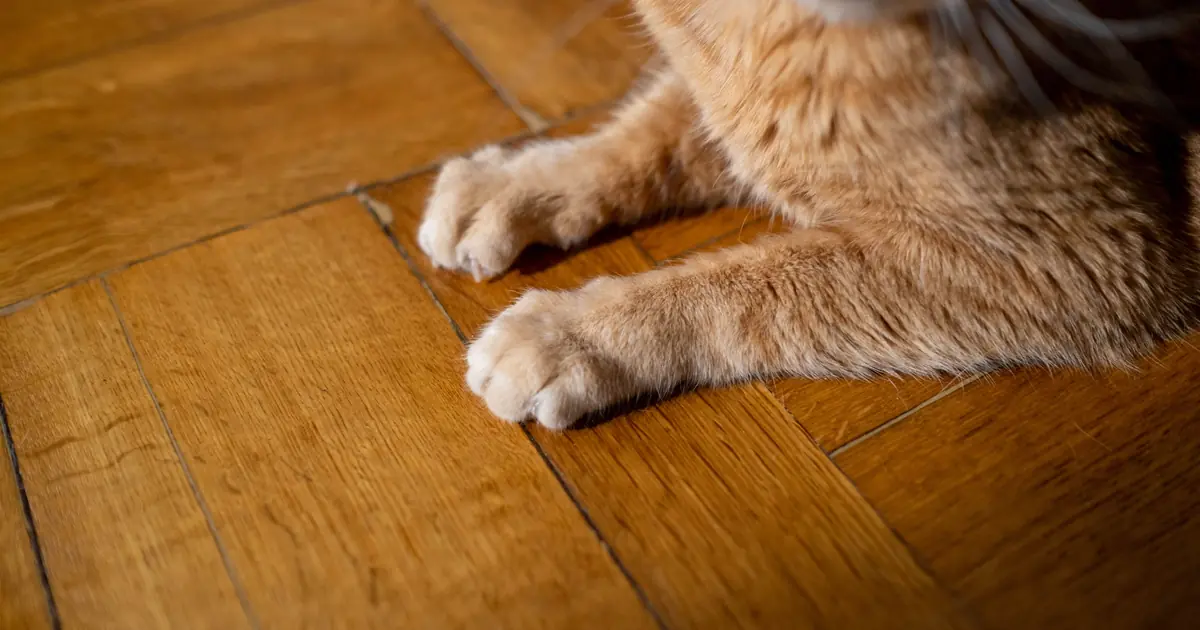
If your couch corner looks like it lost a fight with a wood chipper, you’ve probably already Googled “how do I make my cat stop shredding everything.” Nail caps show up in nearly every search result, usually with glowing before-and-after photos. Nobody mentions what it’s actually like to glue tiny vinyl thimbles onto a cat who does not want them there.
Here’s the honest breakdown: what nail caps do well, where they fall short, and who should skip them entirely.
- Cat nail caps are soft vinyl or silicone sheaths glued over the claw, typically lasting 4 to 6 weeks before they shed off with normal nail growth.
- They are a humane alternative to declawing, which amputates the last bone of each toe and is opposed by the AVMA and most animal welfare groups.
- Nail caps do not stop a cat from scratching, they just blunt the damage; the underlying urge and claw still work normally underneath.
- Reapplication every month or so is required for the rest of the cat’s life, which makes caps a maintenance commitment, not a one-time fix.
- A poor fit or a nail that’s overdue for a trim can cause the cap to pinch or the claw to grow abnormally under it.
What Are Cat Nail Caps and How Do They Work?
Cat nail caps are small, hollow vinyl covers glued over each claw to blunt its sharp tip. Think of them as tiny false nails, except the goal is protection, not looks. A groomer or owner trims the claw first, then glues on a properly sized cap, since front, back, and per-toe claws all vary slightly in width. The cap doesn’t stop the scratching itself. Your cat still digs in and stretches exactly like before, since scratching is a normal, healthy behavior the Cornell Feline Health Center says helps cats mark territory and condition their claws. All a cap does is put a soft barrier between that claw tip and whatever it’s raking across.
What Are the Real Pros of Using Cat Nail Caps?
The biggest pro is furniture and skin protection without surgery or sedation. A cat wearing caps can knead your lap or climb the cat tree without leaving a mark.
- Protects furniture, floors, and skin. Caps blunt the claw tip so scratches don’t shred fabric or break skin during rough play.
- Painless and non-surgical. Application takes minutes per paw and involves no anesthesia or recovery time.
- A humane alternative to declawing. Caps leave the claw, bone, and tendon fully intact, unlike declaw surgery, which amputates the last bone of each toe.
- Useful for elderly owners or thin-skinned households. If you bruise easily or have fragile skin, a cat’s normal play scratches can cause real injury; caps take that risk way down.
- Good for multi-pet homes. A cat that swats at a resident dog or new kitten is far less likely to break skin with capped claws.
The American Veterinary Medical Association and the ASPCA both list nail caps among the humane options that keep normal claw function intact, and both recommend these alternatives over surgical declawing.
What Are the Downsides of Cat Nail Caps?
The main downside is the upkeep. Nail caps fall off as the claw grows, so you’re reapplying every 4 to 6 weeks for as long as you use them. It’s not a one-and-done fix, it’s an ongoing chore some owners quietly give up on after a couple of months.
- They need regular replacement. Expect to redo caps roughly monthly, which means restraining your cat, trimming nails, and gluing on new caps over and over.
- Application can be genuinely fiddly. Matching sizes, getting the adhesive right, and holding a wriggly cat still all take practice, and the first few tries rarely go smoothly.
- Some cats hate them. A cat may chew, bite, or paw at caps until they come loose, especially in the first day or two.
- They can interfere with natural stretching and scratching. Scratching helps a cat shed the outer claw sheath and stretch its back. Capped claws still scratch, but the grip feels different, and some cats seem less satisfied by it.
- Poor fit causes real problems. A cap glued too tight, over an overdue-for-a-trim nail, or against skin instead of just claw, can pinch or lead to an ingrown nail underneath.
Are Cat Nail Caps Safe, and Do Vets Recommend Them?
Cat nail caps are generally considered safe when they’re sized correctly, applied over a freshly trimmed nail, and checked regularly for shifting. Vets and groomers tend to view them as a reasonable middle-ground option, not a first resort and not something to avoid either. VCA Animal Hospitals notes caps are appropriate for destructive scratchers but shouldn’t be used on cats with existing claw or paw conditions without a vet’s input. The caps themselves are low-risk; it’s the application, like gluing over an already-long nail, where problems creep in.
How Do You Apply and Remove Cat Nail Caps?
Applying nail caps is a five-step process, and going slow the first few times makes a real difference.
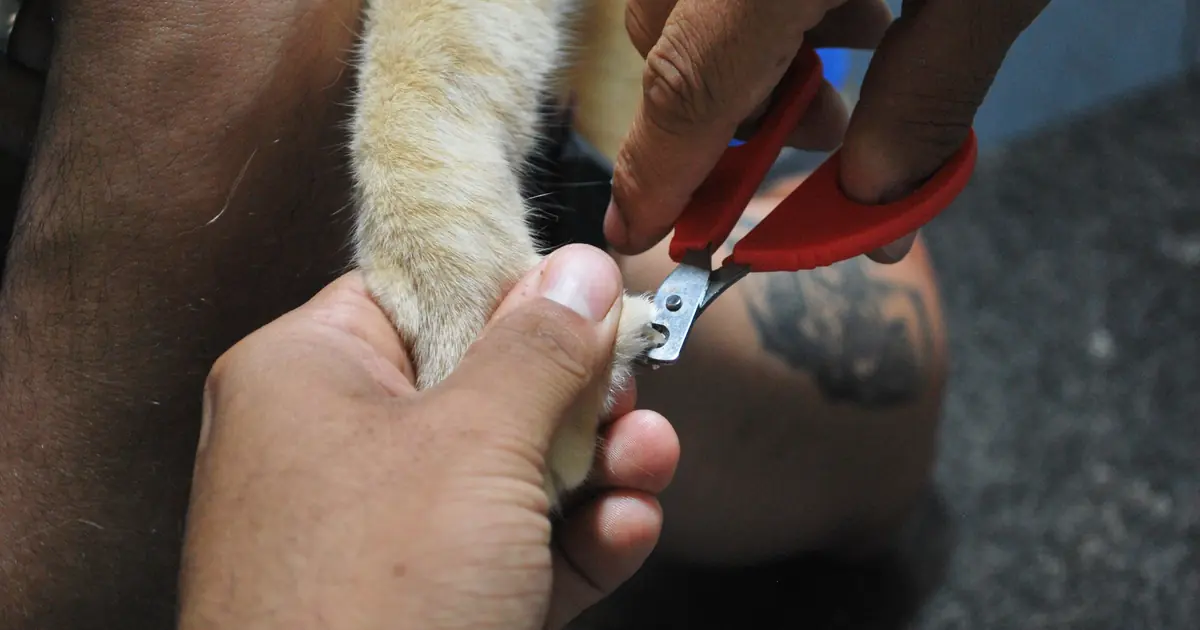
- Trim the nail first. Clip the sharp tip, leaving the quick untouched. Not confident trimming? Learn how to cut cat nails safely before adding caps.
- Pick the right cap size. Too loose and it spins or falls off fast; too tight and it pinches the nail bed.
- Fill the cap about a third full with adhesive. Most kits include a vet-safe glue made for this exact job.
- Slide the cap on and hold for a few seconds. Press gently until the adhesive sets, then let your cat pull their paw away.
- Check all four paws over the next day. Look for a cap sitting crooked, red skin near the nail bed, or obsessive licking of one paw.
Removal is simpler: clip off the cap’s tip with blunt-nosed scissors, then work the rest off with your fingers, or just let it fall off naturally as the nail grows. Never yank a cap free, it can tear the nail underneath.
Who Are Nail Caps Right For, and Who Should Skip Them?
Nail caps make the most sense for calm, cooperative indoor cats and for households where a scratch, not the scratching behavior itself, is the real problem: older adults on blood thinners, immunocompromised people, homes with young kids, and multi-pet households where play gets a little rough.
They’re a poor fit for cats who fight nail trims, outdoor cats who need natural claws for climbing and defense, and cats with any existing nail, paw, or skin condition. If your cat already tolerates trims without a struggle, caps are a reasonable next step. If trims turn into a wrestling match every time, adding glue and tiny plastic covers usually makes things worse, not better.
Nail Caps vs. Alternatives: Which Should You Choose?
Nail caps aren’t the only route to a scratch-free couch. Regular trims and the right scratching post often solve the problem without any ongoing product at all.
| Option | Best For | Effort Required |
|---|---|---|
| Nail caps | Cats who tolerate handling, households needing scratch protection now | High (monthly reapplication) |
| Regular nail trims | Most cats, especially indoor-only ones | Medium (every 2 to 3 weeks) |
| Scratching posts | Redirecting the natural scratching instinct | Low (one-time setup, occasional replacement) |
| Double-sided tape or deterrent sprays | Protecting one specific piece of furniture | Low to medium |
| Declawing (not recommended) | Not recommended by the AVMA or ASPCA except as a last resort for medical reasons | Surgical, permanent |
Honestly, our take: try a good scratching post and a consistent trimming schedule before you reach for nail caps. A cat with easy access to a scratching post that files down nails naturally often needs caps a lot less. Caps work best as an added layer, not the first thing you try. If your cat is tearing up walls or door frames, it’s worth figuring out why your cat scratches the walls first, since redirecting the behavior usually solves more of the problem long term. And a well-fitted nail trimmer makes the whole process easier, capped or not.
A quick note on safety: none of this replaces a vet visit if something looks off. If your cat’s nail, paw, or the skin around a cap ever looks red, swollen, or painful, or a claw seems to be growing abnormally under a cap, get it checked out rather than waiting it out. Always trim nails properly and size caps correctly, since a cap glued over an overgrown nail can cause real discomfort. And if an uncapped scratch breaks the skin, wash it promptly. Some scratches itch for days as they heal, which is normal, but persistent swelling is a reason to call your vet. This article is educational, not a substitute for veterinary care.
Frequently Asked Questions About Cat Nail Caps
Q: How long do cat nail caps last before they fall off?
Cat nail caps typically last 4 to 6 weeks, falling off naturally as the claw grows and sheds its outer layer.
Q: Do nail caps hurt cats?
Nail caps don’t hurt when applied correctly over a properly trimmed nail. Discomfort happens only when a cap is sized too tight or glued over an overgrown nail.
Q: Can indoor and outdoor cats both wear nail caps?
Nail caps are best suited to indoor cats. Outdoor cats rely on sharp, fully functional claws for climbing and self-defense, and blunted claws put them at a real disadvantage outside.
Q: Are nail caps better than declawing?
Yes, nail caps are far more humane than declawing. Declawing amputates the last bone of each toe, while nail caps leave the claw, bone, and nerve completely intact.
Q: Can I apply nail caps myself, or do I need a groomer?
Most cat parents can apply nail caps at home with practice, though a groomer or vet tech can help with the first try or with cats who dislike handling.
Q: Will nail caps stop my cat from scratching furniture entirely?
Nail caps blunt the damage from scratching but don’t stop the behavior itself. Your cat still scratches the couch, just without leaving deep marks.
Q: What happens if a nail cap comes off and my cat swallows it?
A single small vinyl cap passing through a cat’s digestive system is usually not a major concern, but call your vet if your cat seems to be choking or acting unwell.
Q: Do nail caps work on kittens?
Nail caps are generally recommended for adult cats with fully developed claws, not kittens, whose claws are still growing quickly. Check with your vet before capping a kitten under six months old.

Hello and welcome to The Ideal Cat!
We are some passionate cat owners from different professions. We love our cats and have a lot of experience in how to care for our pets. We are incredibly excited to share our knowledge, experience, and research with you. So you can take good care of your loving cat. We will answer most of the common questions about owning cats, taking care of them, etc. If you have any question contact with us. Thanks for visiting! Enjoy the content.
