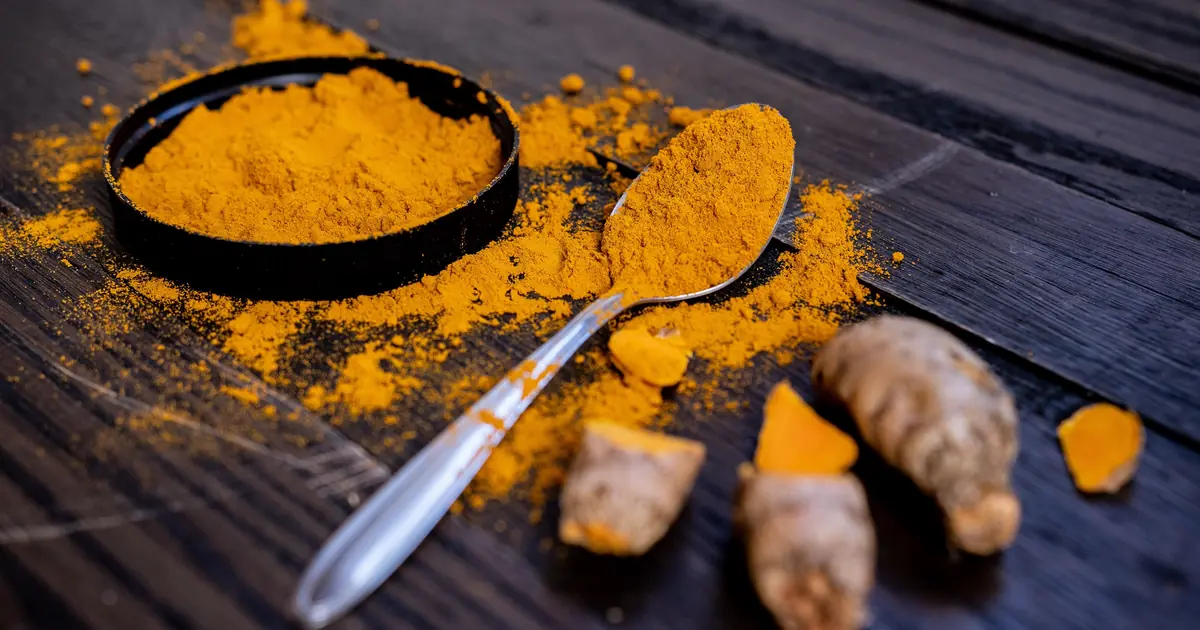
Maybe you’ve been sprinkling turmeric on your own dinner and wondered if a pinch could help your cat’s stiff joints too. Or maybe a friend swears her cat gets “golden paste” every morning and looks great for it. Either way, you’re right to pause and ask before you share.
Here’s the short version: turmeric isn’t a cat poison, but it’s not a cat superfood either. Your cat’s body is built very differently from yours, and that difference matters more than most turmeric blogs let on. Let’s walk through what the research actually says, where the real risks hide, and what’s worth doing instead.
- Turmeric (Curcuma longa) does not appear on the ASPCA’s list of plants toxic to cats, but that only means it isn’t a poisonous plant, not that it’s a recommended supplement.
- Cats process certain plant compounds more slowly than dogs or people do, which makes them more sensitive to spices, herbs, and supplements in general.
- Curcumin, turmeric’s active compound, is poorly absorbed by the body and has little research behind it specifically in cats.
- Turmeric has mild blood-thinning properties and can interact with medications like NSAIDs, anticoagulants, or diabetes drugs.
- A tiny pinch of plain turmeric in food is a very different risk level than a turmeric supplement, golden paste, or curcumin capsule.
Is Turmeric Safe for Cats?
In very small amounts mixed into food once in a while, turmeric is usually considered safe for healthy cats. The trouble is that “usually safe in tiny amounts” is not the same as “good for your cat” or “worth doing at all.” Vets who write about turmeric for pets tend to agree that plain turmeric powder, in a genuinely small quantity, is unlikely to cause serious harm to a healthy cat with no underlying conditions.
But cats aren’t small dogs, and they definitely aren’t small people. Their livers handle certain plant compounds differently, which means a spice that’s fine for you could sit heavier with your cat. If your cat has kidney disease, liver disease, a bleeding disorder, or takes daily medication, the calculation changes fast, and turmeric should stay off the menu unless your vet says otherwise.
Is Turmeric Toxic to Cats?
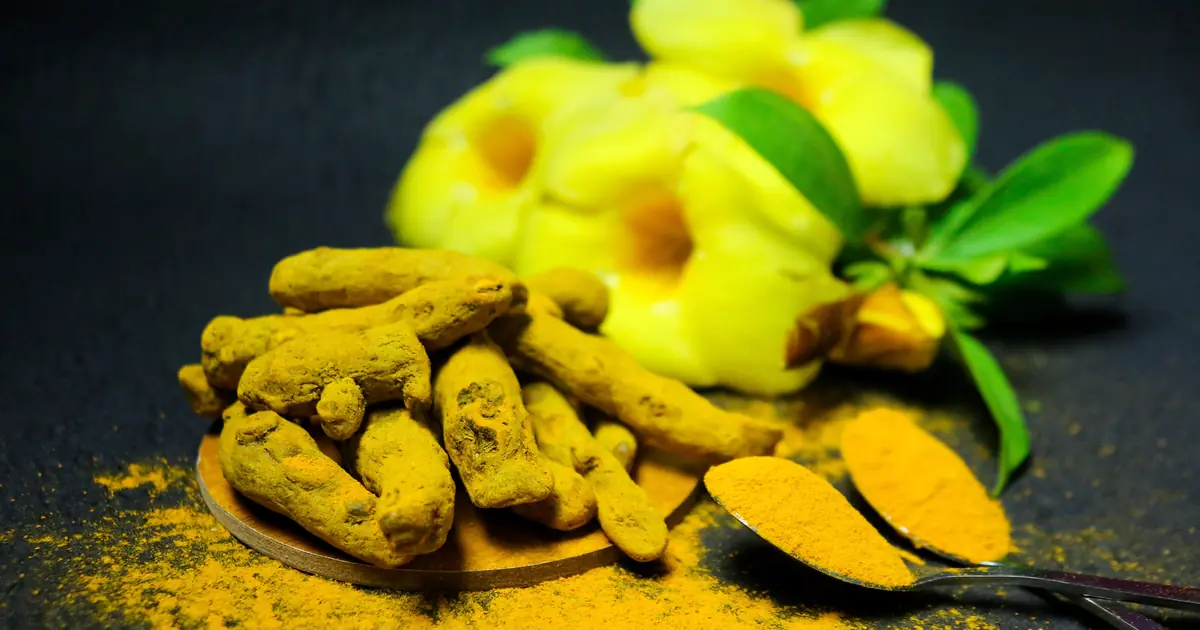
No, turmeric is not considered toxic to cats in the way that onions, garlic, or lilies are. The ASPCA does not include turmeric on its list of plants toxic to cats, which is the closest thing to an official green light the spice gets.
Here’s the catch, though: “not toxic” is a low bar. It just means turmeric won’t poison your cat the way a true toxin would. It says nothing about whether turmeric actually helps your cat, and it says nothing about what happens with repeated use, high doses, or concentrated supplement forms. A lot of “safe” foods and herbs for cats fall into this same gray zone: technically not dangerous, but not something your cat’s body asked for either.
What Are the Claimed Benefits of Turmeric for Cats, and Are They Overstated?
Turmeric’s reputation comes mostly from human and lab research on curcumin, its main active compound, and that research doesn’t automatically transfer to cats. Curcumin has shown anti-inflammatory and antioxidant effects in human studies and in some lab and rodent models. That’s where most of the “turmeric fights inflammation” claims come from, and it’s a big leap from a petri dish or a human clinical trial to your cat’s body.
Cats are obligate carnivores, meaning their bodies are built to run on nutrients from animal tissue, not plant compounds. Their diet has always centered on meat, and their metabolism reflects that. On top of that, curcumin has notoriously poor bioavailability, meaning very little of it actually gets absorbed and put to use by the body at all, in any species. A review on dietary curcumin notes that low bioavailability is one of the biggest limits on whether curcumin can deliver any real health benefit, even in the humans it’s most studied in.
Put those two facts together, and the picture gets clearer. There’s no solid published research showing turmeric or curcumin meaningfully helps healthy cats, and the biological case for expecting a big benefit is thin. Cornell’s Feline Health Center makes a related point about feline nutrition in general: if your cat already eats a balanced, complete diet, extra supplements usually aren’t necessary, and more isn’t automatically better.
What Are the Risks of Giving Turmeric to Cats?
The main risks of turmeric for cats are stomach upset, staining, medication interactions, and effects on blood clotting. None of these are common causes of alarm from a single accidental lick, but they’re the reasons vets recommend caution instead of encouragement:
- Digestive upset: Cats aren’t built to process much plant material, and turmeric mixed into food or given as a supplement can trigger vomiting or diarrhea, especially with repeated use. If your cat already deals with loose stools or is prone to throwing up, adding a new spice is not the move.
- Staining: Turmeric is a natural dye. It can stain fur, bedding, bowls, and carpet a stubborn yellow, which is more of an annoyance than a health issue, but worth knowing before you sprinkle it around.
- Blood clotting effects: Curcumin has mild natural blood-thinning properties. That’s a problem if your cat takes anticoagulant medication, has an upcoming surgery, or has any kind of clotting disorder.
- Medication interactions: Turmeric may interact with NSAIDs, certain diabetes medications, and other drugs metabolized by the liver. If your cat takes any daily medication, ask your vet before adding turmeric on top of it, and always follow your vet’s exact instructions on how to give your cat medicine safely.
- Iron and kidney stone concerns: Some research in other species links high curcumin intake to changes in iron metabolism and a higher risk of oxalate-related issues. Cats already run a higher baseline risk of urinary and kidney problems, so this is not a risk worth adding on top for an unproven benefit.
Turmeric Supplements vs. a Pinch in Food: What’s the Real Difference?
A pinch of plain turmeric stirred into food once in a while carries a much lower risk than a concentrated supplement, golden paste, or curcumin capsule marketed for pets. Dose and concentration are what change the risk picture, not just the ingredient itself.
| Form | Risk Level | Advice |
|---|---|---|
| Tiny pinch of plain turmeric, given occasionally | Low | Generally considered low risk for healthy cats, but skip it entirely if your cat has kidney, liver, or clotting issues. |
| Turmeric powder used regularly as a food “sprinkle” | Low to moderate | Not necessary for a healthy diet; frequent use raises the odds of stomach upset. Check with your vet first. |
| “Golden paste” (turmeric, oil, and black pepper) | Moderate | Black pepper boosts absorption of compounds in ways that haven’t been well studied in cats. Talk to your vet before trying it. |
| Turmeric or curcumin supplement/capsule | Moderate to high | A concentrated, human-formulated dose that isn’t designed or dosed for a cat’s body. Only use under direct veterinary guidance. |
| Curcumin blended with other herbal supplements | High | Unknown and stacked interactions. Avoid without direct veterinary supervision. |
Notice the pattern: the more concentrated and “supplement-like” the product gets, the more the risk climbs. That’s true of plenty of things people share with cats in good faith, whether it’s a pinch of plain canned pumpkin for digestion or a splash of herbal tea for calming. Small and occasional is a very different category from regular and concentrated.
Can Turmeric Help with Arthritis or Inflammation in Cats?
There’s no reliable evidence that turmeric or curcumin treats arthritis or chronic inflammation in cats, and it should never replace a vet-guided treatment plan. Feline arthritis is common, especially in senior cats, and it deserves real diagnosis and real pain management, not a kitchen spice standing in for medicine.
If your cat is slowing down, hesitating on the stairs, or grooming less, that’s a conversation for your vet, not a turmeric trial. International Cat Care notes that pain medications like NSAIDs for cats should only ever be given under veterinary prescription and monitoring, since cats are especially sensitive to dosing errors with anti-inflammatory drugs. Self-treating joint pain with turmeric, especially alongside a prescribed NSAID, adds a real interaction risk for no proven upside.
What Should You Give Your Cat Instead of Turmeric?
Skip the turmeric and ask your vet about options that are actually formulated and dosed for cats. Honestly, this is the piece most turmeric articles skip, and it’s the one that matters most.
- Ask your vet for an exam if you suspect joint pain, so the actual cause gets identified instead of guessed at.
- Discuss vet-approved joint supplements built for feline dosing, such as glucosamine or omega-3 fatty acid products designed for cats specifically.
- Ask about a prescription or vet-recommended joint diet if arthritis is confirmed.
- Keep your cat at a healthy weight, since extra pounds put real strain on joints and make pain worse.
- Stick to your vet’s prescribed pain plan rather than layering home remedies on top of it.
This article is educational and isn’t a substitute for veterinary care. If your cat has a health condition, takes any medication, or has eaten a large amount of turmeric and is vomiting, has diarrhea, or seems unwell, contact your veterinarian.
Frequently Asked Questions
Q: Can I put turmeric in my cat’s food?
A tiny, occasional pinch of plain turmeric is generally considered low risk for a healthy cat, but it isn’t necessary and offers no proven benefit. Skip it if your cat has kidney, liver, or clotting issues, or takes daily medication, and check with your vet first.
Q: Is turmeric poisonous to cats?
No. Turmeric does not appear on the ASPCA’s list of plants toxic to cats. “Not toxic” simply means it won’t poison your cat outright, not that it’s a safe supplement to give regularly.
Q: What does turmeric actually do for cats?
There’s no solid published research showing turmeric or its active compound, curcumin, provides a proven health benefit specifically in cats. Curcumin also has notoriously poor bioavailability, meaning very little of it gets absorbed and used by the body in any species.
Q: Can turmeric hurt a cat’s kidneys?
Cats already carry a higher baseline risk of kidney and urinary issues, and some research links high curcumin intake to changes in iron metabolism and oxalate-related risk in other species. That makes turmeric an unnecessary risk to add for a benefit that isn’t proven.
Q: Is golden paste safe for cats?
Golden paste combines turmeric with oil and black pepper, and the black pepper is specifically meant to boost absorption, which raises the risk profile beyond plain turmeric. This combination hasn’t been well studied in cats, so it should only be tried under direct veterinary guidance.
Q: Can cats take curcumin supplements made for pets?
Curcumin supplements are far more concentrated than a pinch of turmeric in food, and most aren’t specifically dosed or tested for cats. Only give any curcumin or turmeric supplement to a cat under a veterinarian’s direct guidance.
Q: What happens if my cat eats a lot of turmeric at once?
A large amount of turmeric can cause vomiting, diarrhea, or general stomach upset in a cat. If your cat eats a significant amount of turmeric powder, paste, or a supplement, contact your veterinarian rather than waiting to see what happens.
Q: What’s a safer alternative to turmeric for a cat with joint pain?
Ask your vet about joint supplements and pain management options formulated and dosed specifically for cats, such as feline-specific glucosamine or omega-3 products. Feline arthritis is common in senior cats and responds best to a real diagnosis and a vet-guided treatment plan, not a home remedy.

Hello and welcome to The Ideal Cat!
We are some passionate cat owners from different professions. We love our cats and have a lot of experience in how to care for our pets. We are incredibly excited to share our knowledge, experience, and research with you. So you can take good care of your loving cat. We will answer most of the common questions about owning cats, taking care of them, etc. If you have any question contact with us. Thanks for visiting! Enjoy the content.
