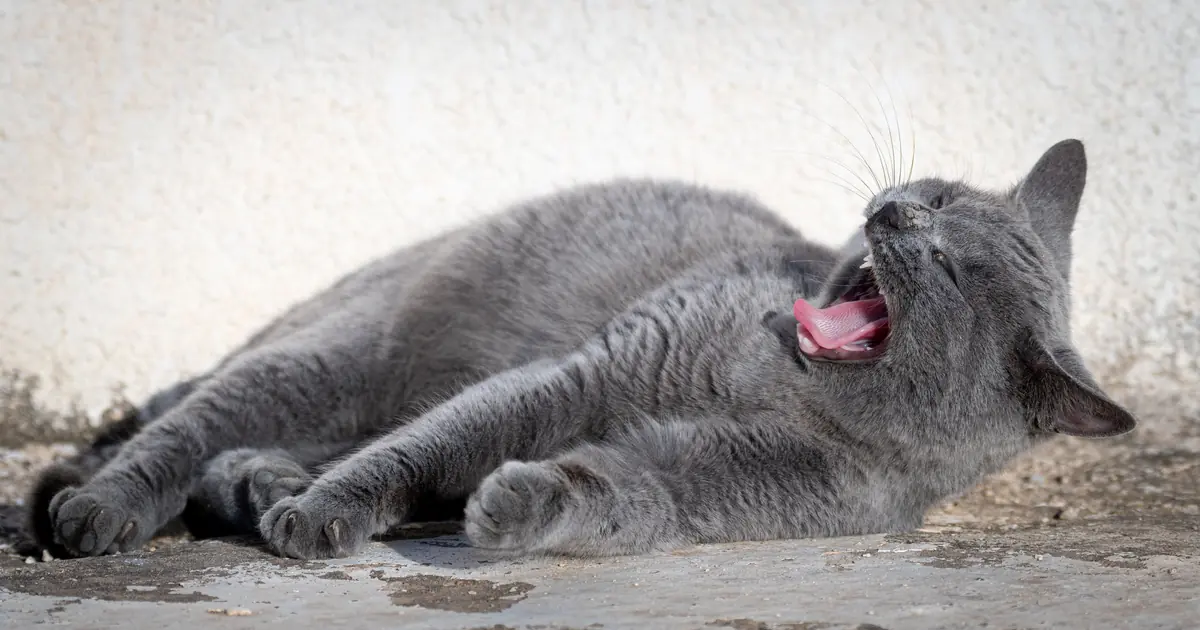
You’re playing with your cat, or maybe it’s just a hot afternoon, and suddenly you notice her mouth is open and she’s breathing fast. Your first thought is probably “is this normal, like when my dog pants?” It’s a fair question. Dogs pant constantly and it’s rarely a big deal.
Cats are a different story. A cat’s body isn’t built to cool off through open-mouth breathing the way a dog’s is, so seeing your cat pant, even briefly, is worth paying attention to. Most of the time it clears up fast and means nothing. Sometimes it’s your cat’s way of telling you something is wrong.
- A healthy cat’s resting respiratory rate is under 30 breaths per minute; open-mouth panting at rest is never normal.
- Cats are obligate nasal breathers, meaning they’re built to breathe through the nose, not the mouth, unlike dogs.
- Short panting from heat, stress, or hard play should stop within a few minutes once your cat calms down or cools off.
- Panting that lasts, happens with no clear trigger, or comes with pale, blue, or grey gums can signal asthma, heart disease, or another emergency.
- Feline asthma and congestive heart failure are two of the most common serious causes of panting in cats, according to the Cornell Feline Health Center.
Why do cats pant?
Cats pant because something is making their body work harder to get enough oxygen, whether that’s a harmless spike in body temperature or a real medical problem. Panting means breathing fast and shallow with the mouth open, usually with the tongue out. It’s the same basic mechanism dogs use to cool down, but cats rarely rely on it because their bodies handle heat and stress differently. When you do see it, treat it as a signal worth checking, not just background noise.
A cat that pants for a minute or two after a wild play session and then goes right back to grooming herself is usually fine. A cat who’s panting for no obvious reason, or who keeps at it after resting, is telling you something else is going on.
What are the normal, harmless reasons cats pant?
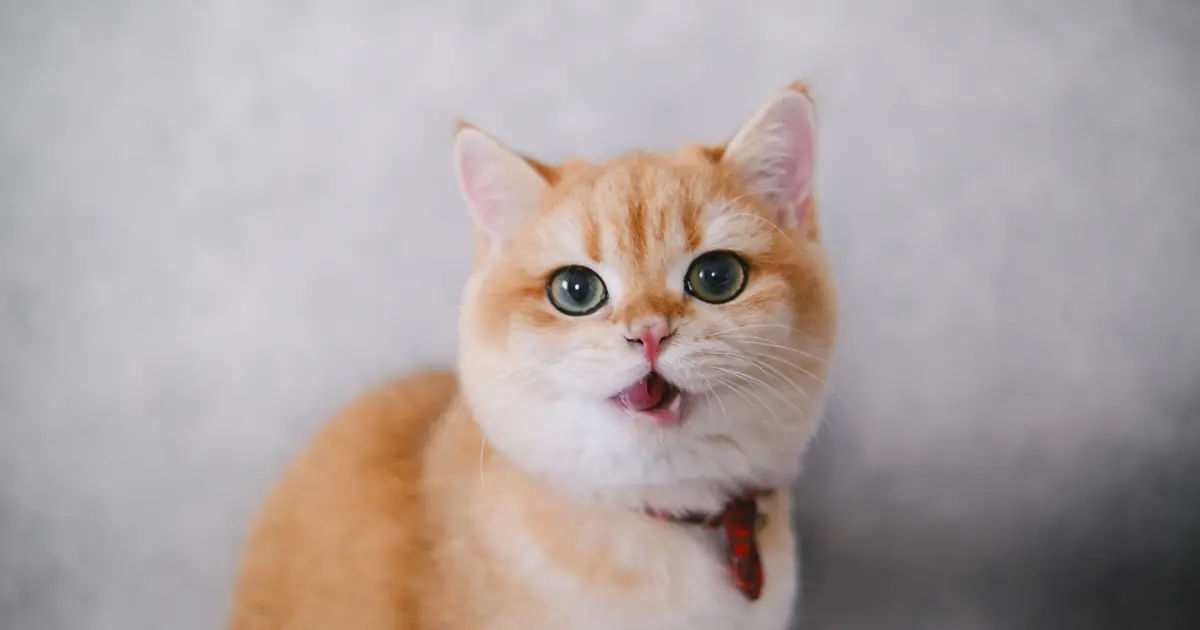
Cats can pant briefly from heat, intense exercise, stress, fear, or excitement, and it should stop within a few minutes once the trigger passes. These situations don’t need a vet visit unless the panting drags on or your cat seems distressed in other ways.
- Overheating: a stuffy room, direct sun, or a hot car can push a cat’s body temperature up enough that she pants to release heat.
- Hard exercise: a few minutes of chasing a laser pointer or a full-blown zoomie session can leave a cat briefly out of breath.
- Fear or stress: a trip to the vet, a car ride, fireworks, or a new dog in the house can trigger short-term panting from adrenaline.
- Excitement: some cats pant for a moment during rough play or when they’re keyed up chasing something.
If your cat gets anxious in the carrier or on car rides, our guide on choosing the right cat carrier for long car trips covers ways to make travel less stressful, which can cut down on stress panting too. Learning to spot the broader signs of stress in cats also helps you tell the difference between a one-off scare and a cat who’s chronically anxious.
What medical conditions cause panting in cats?
Panting that lingers, repeats, or shows up without an obvious trigger is often caused by a real medical problem, most commonly asthma, heart disease, a respiratory infection, pain, or anemia. Each of these needs veterinary care, not a wait-and-see approach.
Feline asthma
Feline asthma is a chronic inflammation of the airways that causes swelling and narrowing, making it harder for a cat to breathe. According to the Cornell Feline Health Center, it’s one of the most common causes of breathing trouble in cats. An asthma flare can look like panting, open-mouth breathing, wheezing, or coughing, sometimes triggered by dust, smoke, or scented litter.
Heart disease and congestive heart failure
Cats with underlying heart disease, most often a condition called hypertrophic cardiomyopathy, can develop congestive heart failure, where fluid builds up around or in the lungs. That fluid makes it much harder to breathe, and panting or rapid, labored breathing is often one of the first signs owners notice. Cats hide heart disease well, so panting can be the first real clue something is wrong.
Respiratory infections
Upper respiratory infections and other airway infections can inflame a cat’s nasal passages and throat enough that she starts breathing through her mouth. This usually comes with other symptoms too, like sneezing, discharge from the eyes or nose, or a fever.
Pain
Pain from an injury, a urinary blockage, or another painful condition can push a cat’s breathing rate up and lead to panting, even without a lung or heart problem. A painful cat often also hides, stops eating, or won’t let you touch a certain area. If you notice both, our guide on why cats hide and stop eating walks through what that combination usually means.
Anemia
Anemia means a cat doesn’t have enough healthy red blood cells to carry oxygen through the body. To make up for it, she breathes faster and may pant. Pale gums are a telltale sign that goes along with this.
If you notice a cough alongside the panting, it’s worth ruling out other respiratory illnesses too, including whether cats can get kennel cough, since that infection can also cause labored breathing.
How can you tell normal panting from dangerous panting?
The clearest signs of dangerous panting are how long it lasts, whether it happens at rest, and what your cat’s gums look like. Normal panting has an obvious trigger and fades fast. Dangerous panting sticks around, shows up out of nowhere, or comes with other red flags.
| Sign | Normal panting | Emergency panting (call the vet now) |
|---|---|---|
| Trigger | Heat, hard play, a scary car ride, or a vet visit | No clear cause, or happens while resting or sleeping |
| Duration | Stops within a few minutes once the cat calms down or cools off | Lasts more than a few minutes or keeps coming back |
| Other signs | Cat acts normal afterward: eats, grooms, plays | Lethargy, hiding, coughing, wheezing, elbows flared out, neck stretched forward |
| Gum color | Pink | Pale, white, blue, or grey |
What should you do if your cat is panting?
First, move your cat to a cool, quiet space and check her gum color and breathing before deciding whether this is an emergency. Gently lift her lip and look at the gums. Pink is reassuring. Pale, white, blue, or grey means you need emergency care right away, according to VCA Animal Hospitals.
- Move your cat somewhere cool, quiet, and low-stress, away from other pets or loud noise.
- Watch the clock. Time how long the panting lasts.
- Check her gums for color, and check that she isn’t struggling to breathe with her elbows out and neck stretched forward.
- If the panting stops within a few minutes and she seems otherwise normal, keep an eye on her for the rest of the day.
- If it doesn’t stop, gets worse, or she shows any red flag below, get her to a vet immediately, don’t wait it out at home.
When should you see a vet immediately for cat panting?
Get your cat to a vet immediately if she’s panting at rest, breathing with her mouth open for more than a few minutes, or showing pale, blue, or grey gums. These are signs of a real emergency, not a passing scare.
This article is for general education, not a substitute for a licensed veterinarian who can examine your cat. If you see any of these signs, treat it as urgent:
- Panting while resting or sleeping, with no heat, exercise, or stress to explain it
- Open-mouth breathing that doesn’t resolve within a few minutes
- Pale, white, blue, or grey gums
- Breathing with the neck stretched out and elbows pointed away from the body
- Lethargy, hiding, or refusing to eat along with the panting
- Wheezing, coughing, or visible distress
Any of these on their own is a reason to call your vet or an emergency animal hospital right away. Don’t wait until morning. As the ASPCA notes, sudden breathing changes in cats should always be treated as urgent until a vet rules out something serious.
Why don’t cats pant like dogs do?
Cats don’t pant like dogs because they’re obligate nasal breathers, built to move air through the nose rather than the mouth, and their bodies cool down mainly through grooming and resting in cool spots, not open-mouth breathing. Dogs pant constantly and comfortably as their main way to release heat. A cat switching to mouth breathing is a sign her normal cooling and breathing methods aren’t keeping up, which is exactly why it deserves more attention in a cat than it would in a dog. If she’s panting from fear or stress rather than heat, how to calm a scared cat walks through practical ways to help her settle down.
Frequently Asked Questions
Q: Is it normal for cats to pant after playing?
A little panting after a few minutes of hard play can happen and usually stops on its own within a few minutes once your cat rests. If it lasts longer than that or she seems distressed, treat it as a reason to check in with a vet.
Q: Can stress or anxiety make a cat pant?
Yes, stress and fear can trigger short-term panting, especially during car rides, vet visits, or loud events like fireworks. It should ease off within a few minutes once your cat calms down; if it doesn’t, get her checked out.
Q: What does it mean if my cat is panting and won’t stop?
Panting that doesn’t stop within a few minutes is not normal for a cat and often points to asthma, heart disease, a respiratory infection, or pain. Get her to a vet right away rather than waiting to see if it passes.
Q: What color should a healthy cat’s gums be?
A healthy cat’s gums should be pink. Pale, white, blue, or grey gums mean her body isn’t getting enough oxygen, which is an emergency that needs immediate veterinary care.
Q: How many breaths per minute is normal for a resting cat?
A healthy cat at rest typically breathes under 30 breaths per minute, with most cats falling in the 15 to 30 range. Consistently faster breathing at rest is considered abnormal and worth mentioning to your vet.
Q: Can heatstroke cause a cat to pant?
Yes, overheating can cause panting as a cat’s body tries to release excess heat, especially in a hot car, a sunny room, or after too much activity on a warm day. Move her somewhere cool immediately and call a vet if the panting doesn’t ease up quickly.
Q: Is panting a sign of heart disease in cats?
Panting can be an early sign of congestive heart failure in cats, which happens when heart disease leads to fluid building up around or in the lungs. Because cats hide illness well, panting or labored breathing is sometimes the first real clue that something is wrong with the heart.
Q: Should I take my cat to the vet if she’s panting?
If the panting has an obvious trigger like heat or play and stops within a few minutes, you can watch and wait. If it lasts, happens at rest, or comes with pale or blue gums, lethargy, or open-mouth breathing, get her to a vet immediately.

Hello and welcome to The Ideal Cat!
We are some passionate cat owners from different professions. We love our cats and have a lot of experience in how to care for our pets. We are incredibly excited to share our knowledge, experience, and research with you. So you can take good care of your loving cat. We will answer most of the common questions about owning cats, taking care of them, etc. If you have any question contact with us. Thanks for visiting! Enjoy the content.
