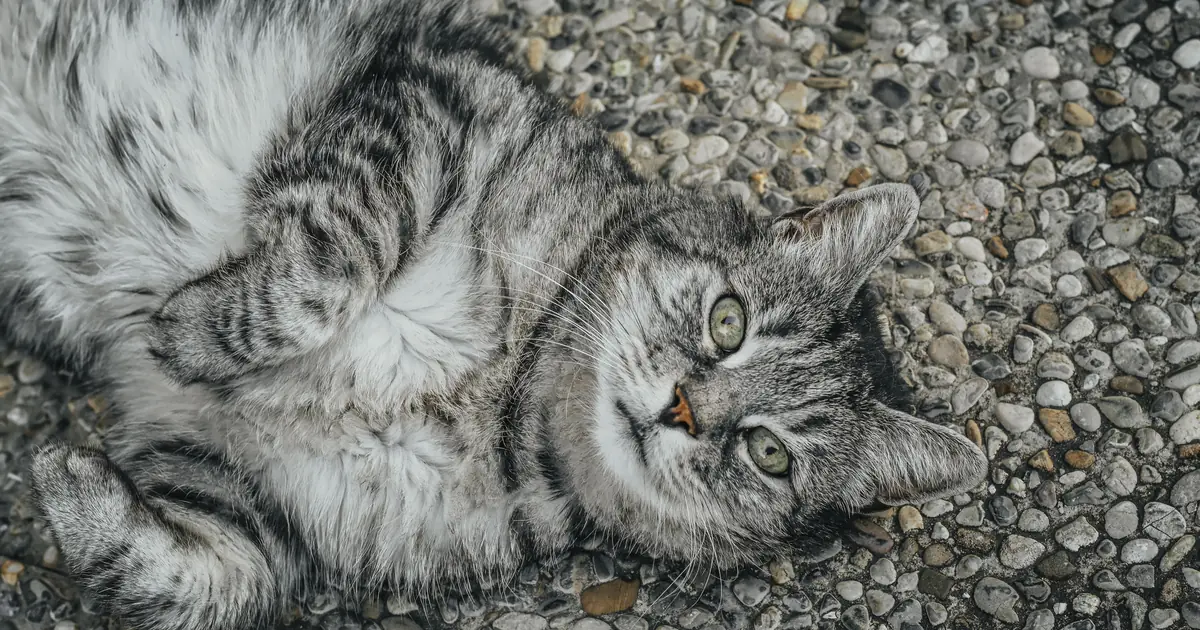
You just gave your cat a good brushing, or maybe she’s freshly bathed and smelling like lavender shampoo. Ten minutes later she’s outside, flopped in a dusty patch of garden, wriggling around like she’s trying to erase every trace of it. Almost comical, and a little insulting if you’re being honest.
Here’s the thing: she isn’t undoing your hard work out of spite. Rolling in dirt is one of the oldest, most instinctual things a cat does, and it goes back way further than her time on your couch. Once you know what’s driving it, that dusty flop in the flowerbed makes a lot more sense.
- Cats have scent glands on their cheeks, temples, chin, and the base of their tail, and rolling on the ground helps spread that scent to mark territory.
- Rolling in loose dirt or dust may help remove excess oil from the coat, which is why it’s sometimes called a “dust bath.”
- Bare dirt usually stays cooler than the air a few inches below the surface, so rolling in it can help a cat cool down on a hot day.
- Unspayed female cats in heat roll and writhe on the ground far more often than usual, often paired with loud vocalizing.
- Constant rolling, scratching, or rubbing in one spot can point to fleas, skin allergies, or irritation and is worth a vet visit.
Why Do Cats Roll in Dirt in the First Place?
Cats roll in dirt because it does several jobs at once: scent marking, cooling off, itch relief, and plain old contentment. It isn’t one instinct, it’s a handful layered together, which is why you’ll see it in a bored backyard cat and a female in heat alike.
Watching your cat’s body language around a roll usually tells you which reason is in play. A slow, loose roll in a sunny patch is a very different message than a frantic, vocal roll with a flicking tail.
Is Rolling in Dirt a Way for Cats to Mark Their Territory?
Yes, rolling in dirt is often a form of scent marking. Cats carry scent glands on their cheeks, temples, chin, and around the base of the tail, and pressing those areas into the ground deposits their scent across the spot. According to International Cat Care, this kind of rubbing helps cats build a “scent profile” of their territory and reassures them the area is safe.
It’s the same instinct behind a cat rubbing its cheek on your ankle, just on a bigger scale. A cat rolling across the yard is basically signing her name across it. If you’ve ever wondered why cats put their butt in your face, it’s the same scent-sharing instinct aimed at you instead of the ground.
Does Rolling in Dirt Work Like a Dust Bath?
Rolling in fine dirt can act as a natural dust bath, helping lift excess oil and loose fur out of a cat’s coat. This isn’t as well studied in cats as it is in animals like chinchillas, who dust bathe as their main grooming method, but many vets believe cats get a similar coat benefit from a good roll in dry, loose soil.
It’s a supplement to grooming, not a replacement. Your cat still needs regular brushing, and a dirt roll won’t fix a matted or oily coat on its own. If you’re seeing flaky patches instead, that’s a different issue, and our guide on getting rid of cat dandruff covers what actually helps.
Do Cats Roll in Dirt to Cool Off or Scratch an Itch?
Cats do roll in dirt to cool down and relieve itchy skin. Bare ground can feel warm at the surface, but a few inches down it usually stays noticeably cooler, especially in shaded or slightly damp soil. Flopping down puts more of their body against that cooler layer, which helps on a warm afternoon.
The itch-relief side is just as real. Loose dirt and grit work almost like a scratching pad for mildly itchy skin, reaching spots a scratching post can’t. A cat with an itch on her back or shoulders, somewhere she can’t lick, will often solve it by rolling instead.
Rolling in Dirt vs. Rolling on Their Back: What’s the Difference?
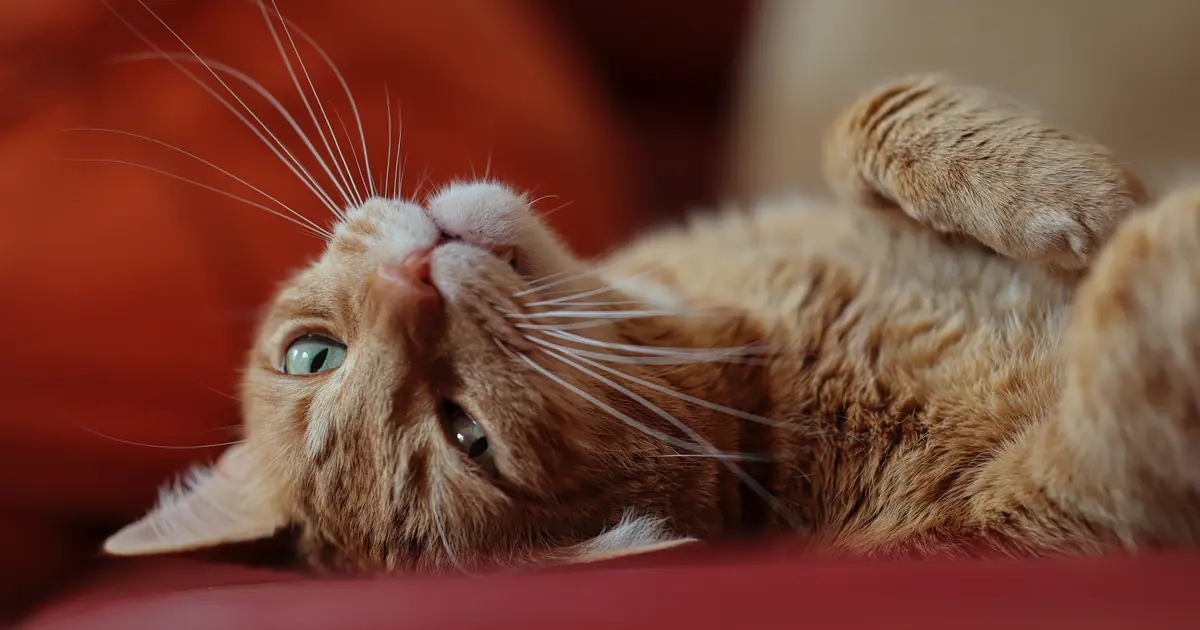
Rolling in dirt and rolling onto their back to look at you are two different behaviors, even though they can look similar. Rolling in dirt is about scent, temperature, and itch relief, and it’s usually solo, done without paying you any attention. Rolling onto their back when they see you is a social signal, a way of showing trust, since exposing the belly is a vulnerable spot for a prey animal.
One note on that belly-up roll: it’s an invitation to look, not always to touch. Plenty of cats roll for you and then swat if you go for the belly rub. Her ears, eyes, and tail tell you whether she wants contact or just wanted you to notice her.
| Rolling Behavior | Likely Reason | Is It Normal? |
|---|---|---|
| Rolling in dirt or dust | Scent marking, cooling off, itch relief, general contentment | Yes, very normal |
| Rolling onto their back when they see you | Friendly greeting and a sign of trust, not always a belly-rub request | Yes, normal |
| Rolling and vocalizing loudly (unspayed female) | Sign of being in heat (estrus) | Yes, but consider talking to a vet about spaying |
| Rubbing and rolling against furniture or your legs | Scent marking through cheek and body glands | Yes, normal |
| Constant rolling and scratching in one spot, hair loss | Possible fleas, allergies, or skin irritation | No, worth a vet visit |
Does Rolling in Dirt Mean My Cat Is in Heat?
Rolling in dirt alone doesn’t mean a cat is in heat, but frequent, dramatic rolling paired with loud, persistent vocalizing often does. Unspayed females in estrus roll and writhe on the ground far more than usual, sometimes raising their hindquarters and treading when you stroke their spine. PetMD notes a cat in heat can vocalize as often as 20 times an hour, a pretty unmistakable clue once you’ve heard it.
If your unspayed female goes through this every few weeks, that’s her normal heat cycle, typically lasting 3 to 14 days. Our guide on what to do when your cat is in heat covers how to keep her comfortable and when spaying might be the right call.
When Does Rolling or Scratching Signal a Skin Problem?
Rolling or scratching becomes a red flag when it’s constant, frantic, or focused on one spot, instead of an occasional relaxed flop. Fleas, skin allergies, ringworm, and general irritation can all make a cat roll and scratch far more than usual, often with hair loss, scabs, or red patches you can see when you part the fur.
Normal dirt rolling looks loose and lazy. A cat dealing with an itch problem looks urgent, going back to the same spot again and again. If that’s what you’re seeing, our article on how to tell if your cat has fleas is a good next stop. This is educational, not a diagnosis: if the scratching seems excessive or you notice bald patches, it’s worth a vet visit rather than waiting it out.
How Do I Keep an Outdoor Cat That Rolls in Dirt Healthy?
Cats that roll outdoors need consistent flea and parasite prevention, since loose soil and grass are exactly where fleas and ticks wait for a host. The Cornell Feline Health Center notes that wildlife like raccoons and skunks constantly reseed yards with fleas, so preventive treatment through the warmer months beats treating an infestation after the fact.
Keep her on a vet-recommended flea and tick preventive year-round if she goes outside, check her coat after outdoor time, and watch for the skin-irritation signs above. None of that means she has to stop rolling. It just means the habit stays safe.
Frequently Asked Questions About Cats Rolling in Dirt
Q: Is it normal for cats to roll in dirt?
Yes, it’s completely normal. Cats roll in dirt to mark territory, cool off, relieve itchy skin, and just because it feels good. It’s only a concern if the rolling turns frantic, constant, or comes with hair loss or visible irritation.
Q: Why does my cat roll in the dirt right after grooming or a bath?
Grooming or a bath washes away her familiar scent, and rolling in dirt puts a comforting, familiar smell back on. It’s not a rejection of the bath, it’s an instinct to feel like herself again.
Q: Do indoor cats roll in dirt too?
Indoor cats can’t reach outdoor dirt, but many roll on carpets, rugs, or a houseplant’s soil instead. The same instincts drive it: scent marking, stretching, and contentment, just with whatever surface is available.
Q: Why does my cat roll onto her back when she sees me?
Rolling onto her back when she spots you is usually a friendly greeting and a sign of trust, not necessarily a belly-rub invitation. Watch her ears and tail before reaching in, since plenty of cats enjoy the gesture but not the touch.
Q: Can rolling in dirt give my cat fleas or worms?
Rolling in dirt or grass can expose a cat to fleas and certain parasites, especially in yards visited by wildlife. Year-round flea prevention recommended by your vet is the most reliable way to keep an outdoor roller protected.
Q: Is rolling in dirt a sign my cat is in heat?
Rolling alone isn’t a reliable sign, but frequent, dramatic rolling combined with loud, repeated vocalizing usually points to an unspayed female in heat. Heat cycles typically last 3 to 14 days and can repeat every few weeks during breeding season.
Q: Why does my cat rub her face on the ground before rolling?
Face rubbing before a roll is scent marking in action. Cats have scent glands on their cheeks and chin, and pressing those against the ground deposits scent before the rest of the body joins in.
Q: Should I stop my cat from rolling in dirt?
No need to stop a healthy cat from rolling since it’s normal, instinctual behavior. Step in only if the spot has been treated with chemicals or fertilizer, or the rolling looks more like frantic scratching than a relaxed flop.

Hello and welcome to The Ideal Cat!
We are some passionate cat owners from different professions. We love our cats and have a lot of experience in how to care for our pets. We are incredibly excited to share our knowledge, experience, and research with you. So you can take good care of your loving cat. We will answer most of the common questions about owning cats, taking care of them, etc. If you have any question contact with us. Thanks for visiting! Enjoy the content.
