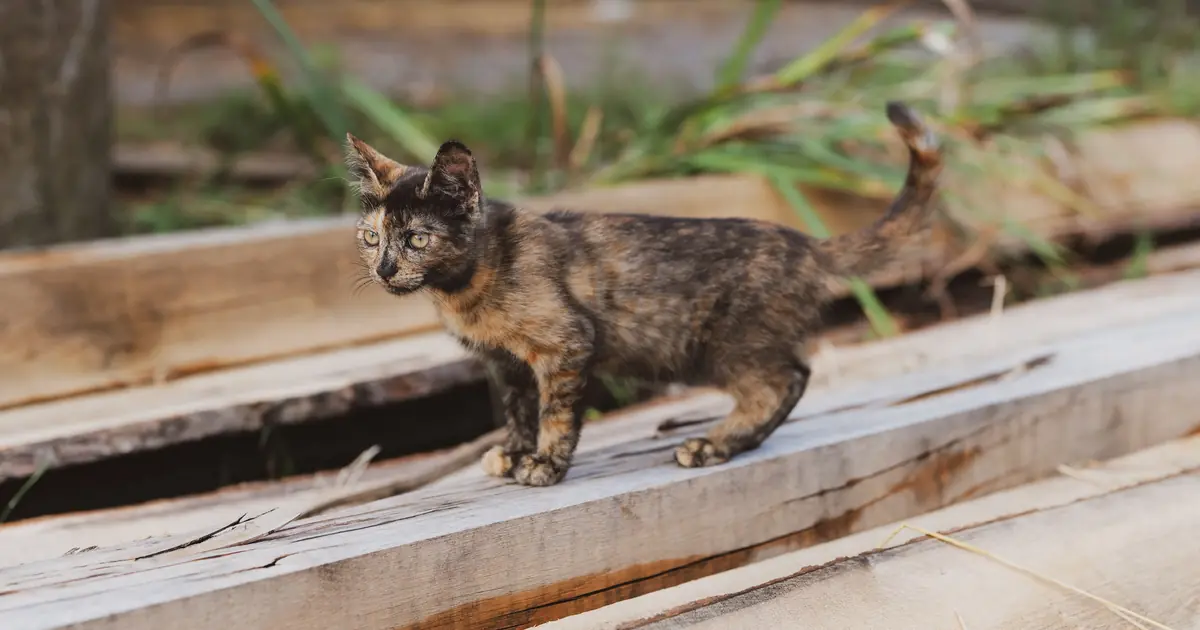
One second your cat is sitting by the door. The next second it’s a streak of fur disappearing into the neighbor’s yard, and you’re standing on the porch in your socks yelling a name that nobody is coming back for. It’s a gut-punch moment, and if you’re reading this right after it happened, take a breath. You’re not the first cat parent this has happened to, and it almost never ends the way your brain is imagining right now.
Here’s the thing: cats don’t run away the way we picture it in movies. They’re not packing a tiny bag and leaving for good. Most of the time there’s a specific, understandable reason behind the bolt, and once you know what’s driving it, you can both get your cat back faster and stop it from happening again.
- Unneutered male cats can roam a mile or more searching for a mate, while neutering reduces roaming behavior in about 90% of male cats, according to the Cornell Feline Health Center.
- Cats don’t run away to die. Sick cats hide nearby to stay safe and conserve energy, an instinct left over from their wild ancestors.
- Outdoor-access cats that go missing are usually found within about 17 houses of home, and indoor-only cats that slip out tend to stay within just a couple of houses.
- Microchipped pets are about three times more likely to be reunited with their owners than pets without one, per the ASPCA.
- Loud noises, moving house, and new pets or babies are among the most common stress triggers that send a cat running for cover or out the door.
Why Do Cats Run Away?
Cats run away because of a mix of instinct, hormones, and stress, not because they’re unhappy with you or trying to leave for good. The most common triggers are an unneutered cat’s drive to mate, natural hunting and territorial instinct, sudden fear from a loud noise or scary event, and stress from changes at home like a move, a new pet, or houseguests. Sickness plays a role too, though not in the way most people think (more on that below).
Most of these reasons boil down to a cat following an urge it can’t reason its way out of. Cats aren’t being sneaky or spiteful. They’re doing exactly what a cat’s brain and body evolved to do, which is roam, hunt, mate, and retreat from danger.
| Reason a Cat Runs Away | How to Prevent It |
|---|---|
| Mating urge (unneutered cat) | Spay or neuter your cat, ideally by 5 to 6 months old |
| Boredom or hunting instinct | Add cat trees, window perches, puzzle feeders, and daily play sessions |
| Fear (fireworks, thunder, loud visitors) | Set up a quiet safe room and close curtains during known triggers |
| Stress from home changes | Keep a steady routine, introduce new pets slowly, use a pheromone diffuser |
| Slipped out an open door or window | Use screen doors, train a “stay back” cue, and double-check window screens |
Why Do Unneutered Cats Roam So Far From Home?
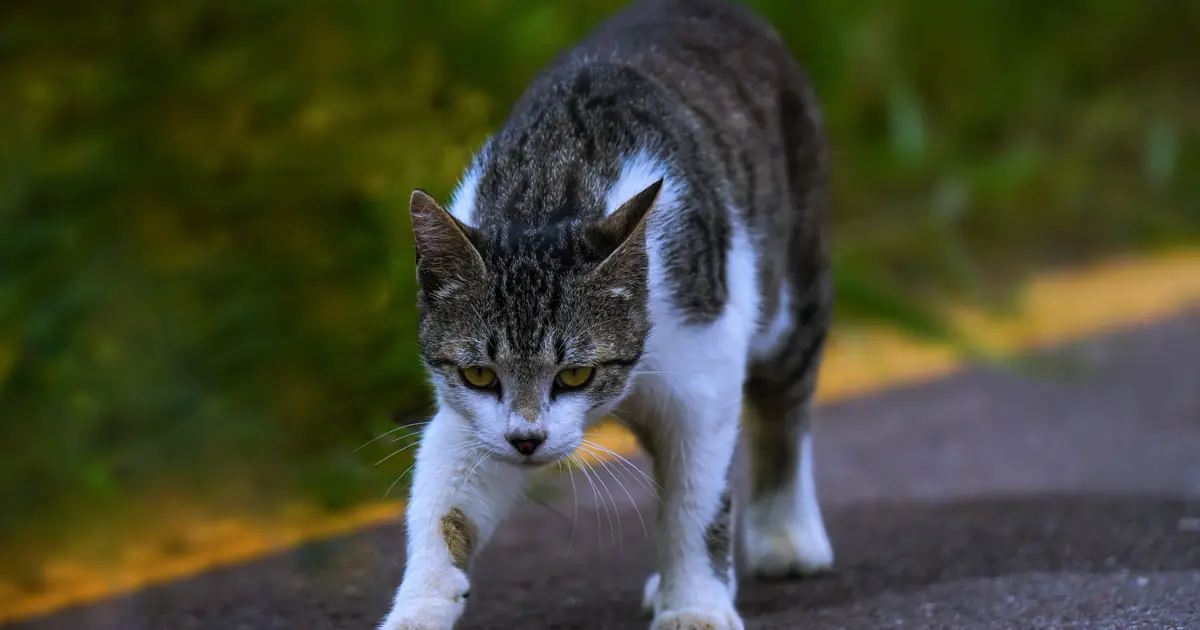
Unneutered cats run away because testosterone drives them to search for a mate, and that search can take them well outside their normal territory. An intact male cat can roam a mile or more when he catches the scent of a female in heat, crossing roads and territories he’d normally avoid. Female cats in heat also become restless and vocal, and some will actively try to get outside to find a mate.
This is one of the most preventable reasons on this list. According to the Cornell Feline Health Center, neutering eliminates the hormones responsible for roaming, fighting, and territorial urine marking, and it reduces roaming behavior in roughly 90% of male cats. If your cat is going through heat cycles or acting restless, our guide on what to do when your cat is in heat walks through how to keep her calm and safe until she’s spayed.
Hunting, Exploring, and Territory Instinct
Plenty of runaway episodes come down to plain old cat instinct. Cats are natural hunters, and an open door is an invitation to chase a bird, follow a scent trail, or investigate a new smell drifting in from outside. Even well-fed, happy indoor cats keep a strong prey drive because it’s hardwired, not a sign they’re missing something at home.
Territory matters too. Outdoor and indoor-outdoor cats patrol a home range that can stretch several acres, marking and checking their boundaries the way a tiny security guard makes rounds. A cat that “runs away” is sometimes just doing its normal patrol and taking longer than usual, especially if something interesting shows up along the route (a rival cat, prey, or an unfamiliar dog).
Can Fear or Stress Make Your Cat Bolt?
Yes, fear is one of the fastest ways to turn a calm cat into a cat that’s suddenly three yards away and sprinting. A slammed door, a firework, a dropped pan, an unfamiliar dog, or a stranger reaching too fast can trigger a pure flight response. A cat’s first instinct when it feels threatened is to run and hide, not to fight, according to International Cat Care.
Bigger life changes cause slower-burn stress that can also push a cat toward the door. Moving to a new home, a new baby, a new pet, construction noise, or even rearranged furniture can all leave a cat anxious and looking for an exit. If you’ve noticed your cat hiding more, over-grooming, or avoiding the litter box, it’s worth reading up on signs of stress in cats so you catch it before a bolt happens.
Do Cats Run Away to Die, or Do They Just Hide?
No, cats do not run away on purpose to die. This is one of the most persistent myths in cat care, and it’s simply not how feline instinct works. What actually happens is that sick or dying cats hide, often somewhere small and enclosed close to home, not run off into the distance.
Hiding when sick is a survival instinct passed down from wild ancestors. A weak or vulnerable animal is an easy target for predators, so a cat’s brain tells it to disappear somewhere safe and conserve energy instead of drawing attention. It’s not a conscious choice to spare your feelings, and it’s not a sign the cat has “decided” anything. If your cat has gone quiet, is hiding under furniture, and isn’t eating, that’s a red flag worth checking, not a sign it’s trying to leave. Our guide on why is my cat hiding and not eating covers what to look for. And if you’re navigating the final days with a senior or terminally ill cat, how to comfort a dying cat has gentle, practical guidance.
A cat that suddenly starts hiding, hissing, or trying to bolt out the door out of nowhere can also be in pain. Cats are experts at masking illness, so any sudden behavior change is worth a vet visit. This article is educational, not a substitute for a veterinarian who can actually examine your cat.
Do Runaway Cats Usually Come Back?
Yes, most cats that run away stay much closer to home than owners expect and are found nearby, often within days. Research on lost cat behavior from the Missing Animal Response Network found that outdoor-access cats who went missing were typically located a median distance of about 344 yards from home, roughly a 17-house radius. Indoor-only cats that accidentally slip outside tend to stay even closer, with a median distance of only about 50 meters, roughly two and a half houses away, because unfamiliar territory scares them and they instinctively look for cover instead of exploring.
A separate study found that 75% of lost cats were located within 500 meters of where they went missing. Cats aren’t wandering off into the sunset. They’re usually hunkered down under a nearby deck or shed, waiting for things to feel safe again before they move.
How Can You Stop Your Cat From Running Away?
The best way to stop a cat from running away is to remove the reasons it wants to leave in the first place: spay or neuter your cat, keep it mentally stimulated, and make your home secure. Here’s what actually works.
- Spay or neuter your cat. This single step removes the biggest driver of long-distance roaming. Most vets recommend fixing cats around 5 to 6 months old, though it can be done earlier. Check out how old does a cat have to be to get fixed for the details.
- Add enrichment. Cat trees, window perches, puzzle feeders, and two short play sessions a day burn off the energy that would otherwise go toward escape-artist behavior.
- Secure doors and windows. Screen doors, sturdy window screens, and training your cat to sit back when the front door opens all cut down on accidental slip-outs.
- Build a catio or secure outdoor space. A screened enclosure lets a cat enjoy fresh air and sunshine without the ability to bolt into the neighborhood.
- Microchip your cat and use an ID tag. A collar can fall off, but a microchip can’t. Pets with microchips are about three times more likely to be reunited with their families, according to the ASPCA. Curious what it involves? See how much does it cost to microchip a cat.
- Keep the home environment calm. Slow introductions for new pets or babies, a predictable routine, and a quiet retreat space all lower the stress that pushes a cat toward the door.
What Should You Do If Your Cat Runs Away Right Now?
If your cat just ran away, search close to home first, calmly and quietly, especially after dark when cats feel safer moving around. Panic and loud calling can actually make a scared cat hide deeper, so slow down before you start.
- Search a small radius first. Check under decks, sheds, porches, and dense bushes within a few houses in every direction. Remember, most cats don’t go far.
- Search at dawn and dusk. Cats are most active and most likely to move around at these quiet times, so a flashlight search in the early morning or late evening often works better than a midday one.
- Bring something familiar outside. A litter box, food bowl, or worn t-shirt near your door can help guide your cat back by scent.
- Put up flyers and post locally. Include a clear photo, description, and your phone number, and post on neighborhood social media groups and lost pet pages.
- Report the microchip and call shelters. Contact the microchip company to flag your cat as lost, and call nearby shelters and vet clinics directly, since not everyone checks online listings.
- Leave food out overnight. A hungry cat that’s too scared to approach you may still come back for food once things are quiet.
Frequently Asked Questions
Q: Do cats usually come back after running away?
Yes, most cats stay close to home and are found within days. Studies on lost cat behavior show that a majority of missing cats turn up within about 500 meters of where they disappeared.
Q: How far do cats usually go when they run away?
Outdoor-access cats are typically found a median distance of about 344 yards from home, roughly 17 houses away. Indoor-only cats that slip out tend to stay even closer, often within just a couple of houses.
Q: Do unneutered cats run away more than neutered cats?
Yes. Unneutered male cats can roam a mile or more searching for a mate, while neutering reduces roaming behavior in about 90% of male cats, according to the Cornell Feline Health Center.
Q: Do cats run away to die?
No, cats don’t leave home on purpose to die. Sick or dying cats hide close to home to stay safe from predators and conserve energy, an instinct inherited from their wild ancestors, not a deliberate choice to leave.
Q: What should I do first if my cat gets out?
Search a small radius around your home first, especially spots like under decks, sheds, and dense bushes, and go out again at dawn or dusk when cats are most likely to be moving around.
Q: Does microchipping actually help find a runaway cat?
Yes. Pets with microchips are about three times more likely to be reunited with their owners than pets without one, according to the ASPCA, since a chip can’t fall off the way a collar can.
Q: Can an indoor cat find its way home if it escapes?
Sometimes, but not reliably. Indoor-only cats are usually too scared of unfamiliar territory to travel far, so they tend to hide nearby rather than navigate back on their own, which is why a close, calm search works better than waiting.
Q: How long should I wait before I start to worry?
Don’t wait. Start searching and put up flyers within the first few hours, since the first 12 to 24 hours give you the best chance of finding a cat close to where it went missing before it settles deeper into hiding.

Hello and welcome to The Ideal Cat!
We are some passionate cat owners from different professions. We love our cats and have a lot of experience in how to care for our pets. We are incredibly excited to share our knowledge, experience, and research with you. So you can take good care of your loving cat. We will answer most of the common questions about owning cats, taking care of them, etc. If you have any question contact with us. Thanks for visiting! Enjoy the content.
