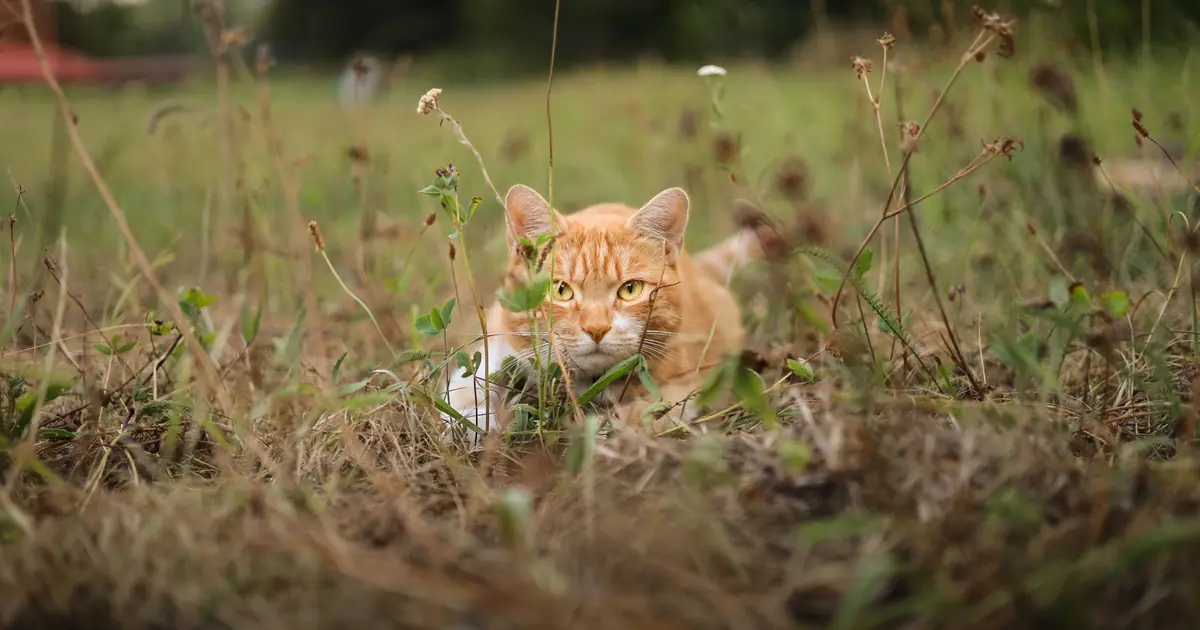
You hear the thump of paws on the hallway floor at 11pm, then a skid, then total silence. You walk over and there’s your cat, crouched over a very flat, very dead spider like she just closed a business deal. If this sounds familiar, you’re not alone. Cats and spiders cross paths in almost every home, and cats usually win.
Most of the time, this is completely normal cat behavior and nothing to worry about. But “usually fine” isn’t the same as “always fine,” and there’s one specific situation where a spider encounter turns into a real emergency. Let’s break down what’s actually happening when your cat squares off with a spider, and when you need to pay closer attention.
- A spider’s fast, erratic movement mimics prey, which is why cats instinctively chase and pounce on it.
- Eating a common house spider, like a cellar spider or house spider, is typically harmless because a cat’s stomach acid breaks it down.
- Venomous spiders, including black widows and brown recluses, can seriously harm or even kill a cat if they bite, and this requires immediate vet care.
- Spiders that have been sprayed with insecticide are dangerous to eat, since the cat can absorb the pesticide along with the bug.
- Cats are natural hunters but not pest control experts: they might reduce visible spiders somewhat, but they won’t eliminate an infestation.
Do Cats Actually Kill Spiders?
Yes, cats regularly kill spiders, and for most cats it’s less “hunting” and more “impossible to resist.” A spider skittering across the baseboard hits every button in a cat’s brain wired for chasing small, fast-moving prey.
Your cat doesn’t know or care that it’s a spider specifically. She’s reacting to the movement: quick, unpredictable, low to the ground. That’s the same trigger behind the little wiggle cats do before pouncing on a toy or a bug. Once the spider stops moving, a lot of cats lose interest fast, which is why you’ll sometimes find a dead spider left untouched in the middle of the floor like abandoned evidence.
Why Are Cats So Good at Catching Spiders and Other Bugs?
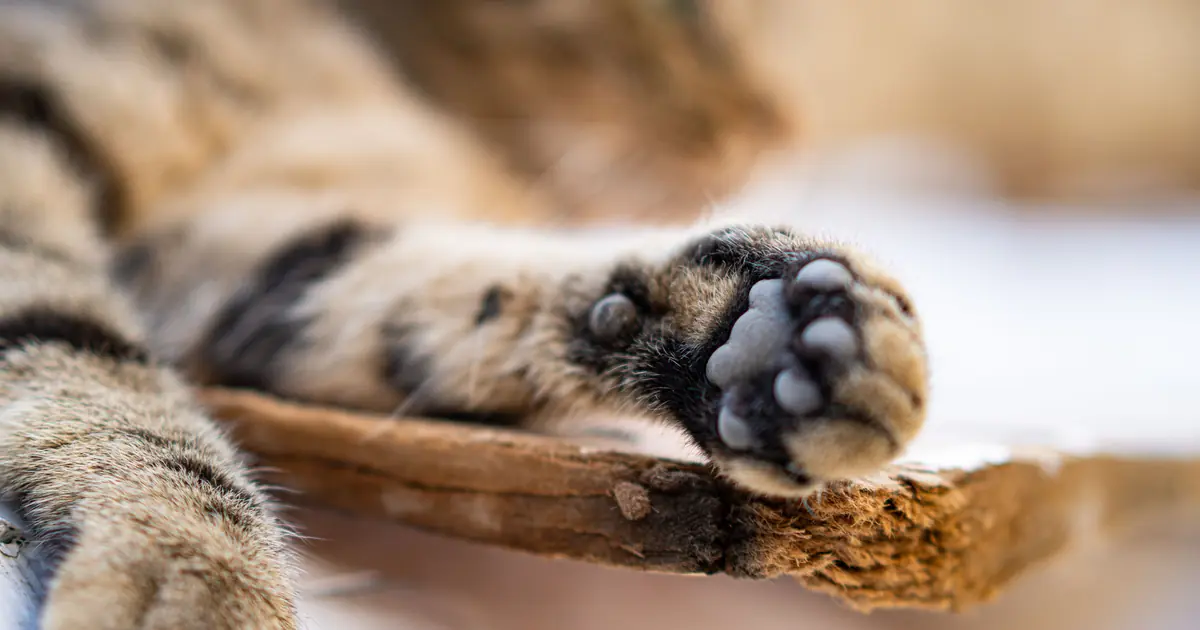
Cats are excellent bug hunters because their whole body is built for tracking small, fast targets at close range. Their whiskers detect tiny changes in air current, their peripheral vision picks up motion almost instantly, and their reflexes are quick enough to swat something before it changes direction.
Not every cat bothers, though. Some stalk a spider on the wall for twenty minutes; others glance at it once and go back to napping. Personality, age, and how much stimulation a cat gets during the day all play a role. A bored indoor cat with nothing else to chase is far more likely to turn a spider into the day’s entertainment. If your cat has been getting the zoomies more than usual, pent-up hunting energy is often the culprit, whether the target is a spider, a toy, or your ankles at 3am.
Is It Safe for Your Cat to Eat a Spider?
Yes, it’s usually safe for a cat to eat a common house spider. Species like cellar spiders, house spiders, and jumping spiders aren’t toxic to cats, and a cat’s stomach acid breaks the bug down without issue. You might see your cat vomit shortly after, but that’s typically just a reflex to swallowing something crunchy, not a sign of poisoning.
This is similar to how cats handle other small prey: barn cats and outdoor cats snack on bugs, lizards, and rodents all the time. The bigger concern with small prey is usually parasites, which is worth knowing if your cat also hunts mice. Spiders don’t carry that same parasite risk, so a spider snack is generally the least worrying thing your cat could catch.
What About Venomous Spiders Like Black Widows and Brown Recluses?
A venomous spider bite, not the act of eating a spider, is the real danger here. Black widow spiders, brown recluse spiders, and other regionally venomous species can deliver a bite that causes serious illness in a cat, and in rare cases, death, according to veterinary poison control resources.
According to the ASPCA Animal Poison Control Center, black widow venom is neurotoxic, meaning it affects the nervous system, and can cause muscle rigidity, tremors, and difficulty breathing in pets. Brown recluse bites work differently: their venom can cause tissue damage around the bite site that gets worse over the following days. Watch for these signs after any spider encounter:
- Sudden pain, swelling, or a wound-like lesion at a specific spot on the skin
- Muscle tremors, weakness, or wobbly walking
- Vomiting or drooling
- Rapid breathing or labored breathing
- Lethargy that comes on quickly
Cats are less commonly bitten than dogs since they tend to bat and kill prey from a slight distance, but bites do happen, especially on paws and noses during a hunt.
| Spider Type | Risk to Your Cat | What to Do |
|---|---|---|
| Common house spider (cellar spider, house spider, jumping spider) | Low. Not toxic if eaten or if it bites. | No action needed. Watch for mild vomiting from swallowing the bug whole. |
| Venomous spider (black widow, brown recluse, or regional venomous species) | Serious. Bites can cause tremors, tissue damage, or systemic illness. | Contact your vet or an animal poison control line immediately, even if symptoms haven’t started yet. |
| Insecticide-exposed spider | Moderate to serious. Cat can absorb pesticide residue by eating the bug. | Call your vet if you know or suspect the spider was recently sprayed. |
Are There Other Risks Besides Venom?
Yes, two smaller risks are worth knowing. First, if a spider has recently been sprayed with insecticide, your cat can be exposed to that chemical by catching and eating it, and pesticide residue is far more likely to cause vomiting or lethargy than the spider ever was. Second, larger bugs can occasionally cause mild mouth irritation or, rarely, a minor choking risk if a cat swallows something too big too fast. It’s uncommon, but it’s part of why supervising any live-bug chase is a good habit, the same way you’d keep an eye on a fetch or chase game.
Do Cats Actually Keep Spiders Out of the House?
Somewhat, but don’t count on your cat as your only pest control plan. A cat that actively hunts will reduce the number of visible spiders in the rooms she patrols, and some spiders may even avoid areas with a lot of cat activity. But cats sleep 12 to 16 hours a day on average, according to the Cornell Feline Health Center, which leaves plenty of unsupervised hours for spiders to move around undisturbed.
Think of a hunting cat as a mild deterrent, not an exterminator. If you’re dealing with an actual infestation, especially of a venomous species in your region, you still need proper pest control. Some cats will even proudly bring you the spider they caught, the same instinct behind why cats bring their humans toys and dead bugs as little offerings.
What Should You Do If You Think Your Cat Was Bitten by a Venomous Spider?
Treat it as an emergency and call your vet or an animal poison control hotline right away, even if your cat seems fine at first. Venom effects, especially from a brown recluse, can take hours to fully show up, so waiting for symptoms to get worse before calling only costs you time. The Pet Poison Helpline and ASPCA Animal Poison Control Center both operate 24-hour lines for exactly this kind of situation.
Here’s what to do in the moment:
- Stay calm and check your cat over for a specific painful, swollen, or wound-like spot on the skin.
- If it’s safe to do so without getting bitten yourself, capture or photograph the spider so your vet can help identify the species.
- Call your vet, an emergency animal hospital, or a pet poison control line immediately and describe what you saw.
- Do not apply any home remedy, ointment, or medication without a vet’s direction.
- Keep your cat calm and limit her movement on the way to the vet, since activity can spread venom faster.
This article is educational and isn’t a substitute for real veterinary care. If you have any doubt at all about what bit your cat, a same-day vet visit is always the safer call.
How to Keep a Bug-Hunting Cat Safe
A few simple habits let your cat enjoy her inner hunter without the risk. Seal up gaps around windows and doors where spiders sneak in. Skip spraying insecticide anywhere your cat has access, and if you must, keep her out until it’s fully dry. And if black widows or brown recluses are common where you live (they favor dark, undisturbed spots like garages and woodpiles), check those areas before letting a curious cat explore unsupervised.
Giving your cat her own approved hunting outlets helps too. A wand toy, a rotating toy basket, or an occasional laser session paired with a real toy for the final “catch” (here’s more on whether laser pointers are actually bad for cats) satisfies the same prey drive without any of the risk a real spider carries.
Frequently Asked Questions
Q: Do cats eat spiders after they kill them?
Yes, many cats do eat the spiders they catch, since the same hunting instinct that drives the chase also drives the eating. Others just bat the spider around, kill it, and walk away without touching it again.
Q: Can a spider bite kill a cat?
In rare cases, yes. A bite from a highly venomous spider like a black widow can be fatal to a cat if it isn’t treated quickly, particularly in kittens or small cats. Most common house spiders pose no such risk.
Q: How do I know if my cat was bitten by a spider and not something else?
Spider bites typically show up as a single, sudden area of pain or swelling, often on the face or paws where a cat makes contact during a hunt. If you’re not sure, your vet can examine the site to help narrow it down.
Q: Are house spiders poisonous to cats?
No, common house spiders like cellar spiders and jumping spiders aren’t poisonous to cats. Nearly all spiders technically have some venom, but common household species can’t deliver enough to harm a cat.
Q: What should I do if I find a dead spider my cat killed?
If you don’t know what species it was, it’s worth a quick photo before disposing of it, just in case your cat shows any odd symptoms later. Otherwise, simply clean up the spider as you normally would.
Q: Why does my cat get so obsessed with spiders on the wall?
A spider’s jerky, unpredictable movement across a vertical surface is exactly the kind of motion that triggers a cat’s prey drive. The stop-start pattern mimics how small prey moves when it’s trying to hide, which keeps a cat locked in and staring.
Q: Should I let my cat catch and kill spiders on purpose?
It’s fine to let your cat handle common house spiders on her own. If you live in an area with venomous species like black widows or brown recluses, it’s safer to remove those spiders yourself before your cat gets to them.
Q: Can eating a spider make my cat throw up?
Yes, it’s fairly common for a cat to vomit shortly after eating a spider, mostly from swallowing the exoskeleton whole rather than from anything toxic. A single episode of vomiting with no other symptoms usually isn’t a cause for concern.

Hello and welcome to The Ideal Cat!
We are some passionate cat owners from different professions. We love our cats and have a lot of experience in how to care for our pets. We are incredibly excited to share our knowledge, experience, and research with you. So you can take good care of your loving cat. We will answer most of the common questions about owning cats, taking care of them, etc. If you have any question contact with us. Thanks for visiting! Enjoy the content.
